Nigeria pursues stability with economic reforms and security initiatives
- EconomicNigeria
- October 27, 2024
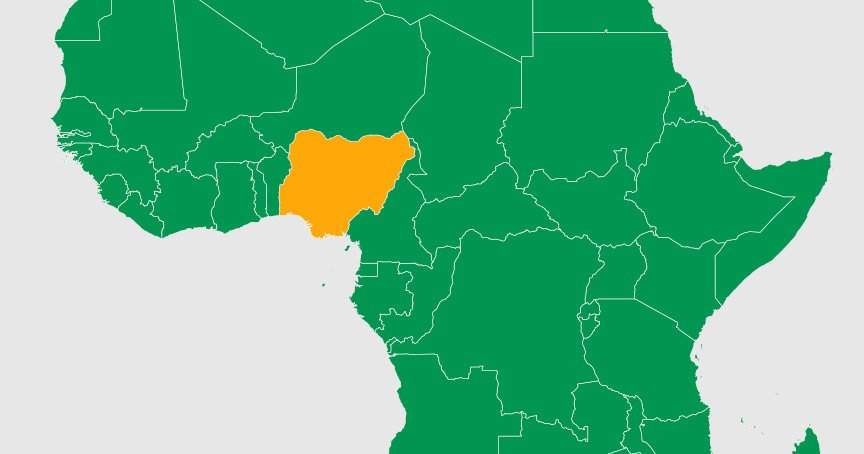

Lagos – Nigeria is making strides toward economic stability and social inclusion, driven by bold reforms and increased investment in key sectors. Forecasts indicate that the country’s economy will grow by 3.7% in 2024 and 4.1% in 2025, bolstered by new policies aimed at fiscal responsibility and infrastructure development.
The removal of fuel subsidies earlier in 2023, a crucial step to open fiscal space, was accompanied by a $650 million relief package. This initiative supports small businesses, raises the minimum wage, and introduces gas-powered buses to reduce transportation costs, mitigating the immediate impact of rising fuel prices
Meanwhile, Nigeria is reaping benefits from a unified foreign exchange policy, which has improved market transparency and boosted investor confidence. The country witnessed a 23% increase in foreign direct investment (FDI) in 2023, particularly in technology, energy, and infrastructure sectors.
These investments are expected to further accelerate growth and reduce unemployment in the coming years.
On the security front, collaborative programs such as the Justice and Security Dialogue Project have enhanced trust between communities and law enforcement agencies. These initiatives focus on reducing violence and promoting peaceful conflict resolution at the local level. Security reforms, alongside economic stabilization, are gradually rebuilding public trust and creating a safer environment for business and social activities.
Despite persistent challenges, including inflationary pressures and isolated security incidents, Nigeria’s trajectory remains optimistic. Experts emphasize that continued investment in social services, job creation, and infrastructure will be critical to sustaining this momentum. The government aims to expand its social protection programs, targeting 70% of vulnerable populations by 2025.
With ongoing reforms and an emphasis on inclusive governance, Nigeria is positioning itself not only as an economic leader in Africa but also as a model for sustainable development and security.