João Lourenço’s Tanzania visit seeks to turn strategic ties into a transcontinental investment corridor
- AngolaPoliticsTanzania
- October 31, 2026

Railway integration between the Atlantic and Indian oceans, potential Tanzanian investment in Angola’s Lobito Refinery and new transport agreements could reshape regional trade flows. The challenge now is converting diplomatic momentum into bankable projects and measurable economic returns.
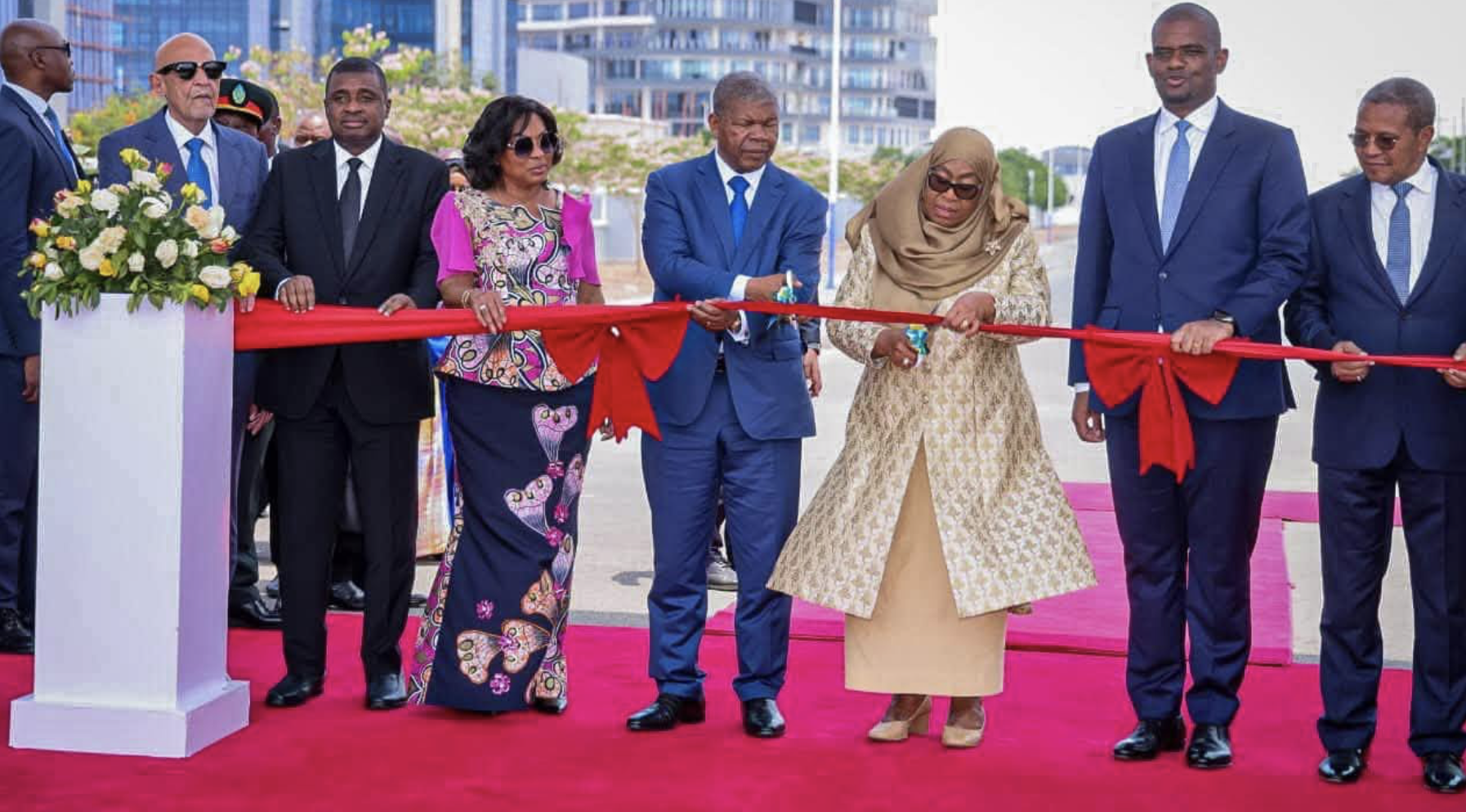
DAR ES SALAAM — Angolan President João Lourenço’s state visit to Tanzania from 28 to 30 October marks a shift towards a more commercially driven partnership, placing infrastructure, energy and regional connectivity at the centre of efforts to deepen economic integration between Southern and Eastern Africa.
Nearly five decades after Angola’s first president, Agostinho Neto, visited Tanzania in 1979, the relationship is acquiring a more explicitly economic dimension. For Luanda, the objective is to turn longstanding political ties into investment, lower trade costs and expand access to regional markets.
The strategic opportunity lies in connecting two major African trade gateways: Angola’s Atlantic coastline and Tanzania’s Indian Ocean ports.
A railway corridor with regional economic implications
The proposed connection between Angola’s Benguela Railway and Tanzania’s TAZARA network could establish a transcontinental logistics route linking the Port of Lobito to Dar es Salaam through the Democratic Republic of Congo and Zambia.
The economic case extends beyond railway construction. An operational corridor could ease transport bottlenecks, improve the competitiveness of mineral exports, reduce freight costs for landlocked economies and attract investment in warehousing, processing and industrial services.
For Angola, the Lobito Corridor offers an opportunity to generate economic value beyond port fees and railway tariffs by attracting logistics operators, industrial investors and mineral-processing companies.
For Tanzania, access to an Atlantic-facing railway network could strengthen Dar es Salaam’s position as a regional logistics hub.
But physical connectivity alone will not guarantee commercial viability. Railway interoperability, customs procedures, transit agreements, freight capacity and predictable tariffs will determine whether the proposed route can compete with established export corridors.
China’s $1.4bn financing commitment to modernise TAZARA provides an important infrastructure backdrop. Connecting the network to Angola, however, would require additional capital, technical coordination and commercially sustainable financing arrangements.
Lobito Refinery: a potential new source of capital
Energy cooperation offers another investment opportunity. Lourenço invited Tanzania to consider participating in Angola’s Lobito Refinery project. President Samia Suluhu Hassan confirmed that Tanzania’s Petroleum Development Corporation was assessing the possibility of a partnership.
For Angola, the economic rationale is to expand domestic refining capacity, reduce dependence on imported petroleum products and retain a greater share of value within its economy.
Tanzanian participation could broaden the potential investor base, facilitate technical cooperation and strengthen regional petroleum supply chains.
The investment case, however, will depend on financing costs, crude supply, refining margins, operational efficiency and access to reliable markets. An expression of interest should not be mistaken for a financial commitment.
Connectivity as an investment multiplier
The bilateral air services agreement and cooperation in information and communications technology could further reduce transaction costs and facilitate cross-border business.
Improved air connectivity would support corporate mobility, tourism and commercial exchanges, while stronger digital links could facilitate financial services and business operations.
Together, these agreements point towards a broader economic proposition: infrastructure investment generates greater returns when transport, energy and digital networks function as an integrated system.
The execution test
The success of Lourenço’s visit will ultimately be measured not by the number of agreements signed, but by capital mobilised, projects reaching financial close, trade volumes and private investment generated.
Angola and Tanzania have an opportunity to develop a strategic economic axis connecting two oceans and opening new commercial routes across the continent.
Yet the financing challenge remains substantial. Turning political ambition into commercially viable infrastructure will require long-term capital, credible regulatory frameworks and coordination across several jurisdictions.
If delivered, the partnership could help transform the Lobito Corridor from a mineral export route into a broader platform for regional industrialisation, logistics and intra-African trade.
For both governments, the next phase is less about diplomatic alignment than investment execution. The economic prize will belong to those able to turn connectivity into commerce and infrastructure into sustainable returns.