Museveni to run for re-election in Uganda at 80, vows economic transformation
- East AfricaElectionUganda
- July 13, 2025

UGANDA’S MUSEVENI CONFIRMED AS 2026 CANDIDATE, PROMISING TO LIFT COUNTRY TO MIDDLE-INCOME STATUS
Kampala, July 2025
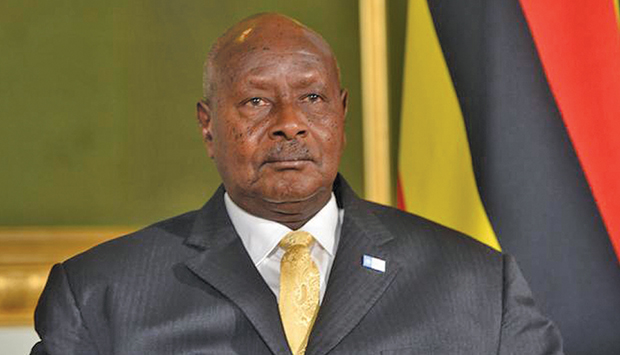
Ugandan President Yoweri Museveni has been officially confirmed as the ruling party’s candidate for the 2026 presidential election, paving the way for a possible extension of his nearly four decades in power.

AfricaHeadline Reports Team
editorial@dw-demosnewstaion.online
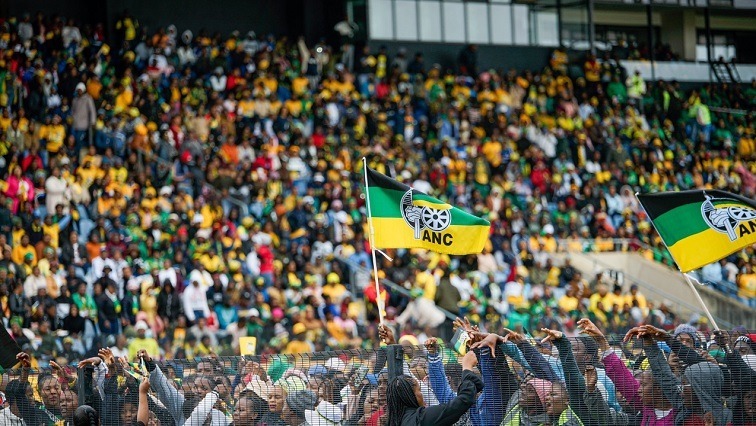
The 80-year-old leader, who first came to power in 1986 following a rebellion, made the announcement during the National Resistance Movement (NRM) conference in Kampala. In his acceptance speech, Mr Museveni said he had “answered the call” and vowed to continue his mission to transform Uganda into a “middle-income country.”
“It is crucial that Uganda does not miss the bus of history as Africa once did when Europe advanced and our continent was colonised,” Mr Museveni told party delegates. “We must make a qualitative leap.”
Since taking office, Mr Museveni has won every election held in the country, victories frequently marred by allegations of vote-rigging, intimidation, and suppression of dissent. Uganda’s constitution has been amended twice under his leadership, in 2005 to remove term limits and again in 2017 to abolish the presidential age cap of 75, allowing him to seek further re-election.
Rights groups including Human Rights Watch and Amnesty International have repeatedly accused Mr Museveni’s government of stifling freedoms, arresting opposition figures, and cracking down on peaceful protests.
The president’s main rival is expected to be Robert Kyagulanyi, known by his stage name Bobi Wine, a former pop star turned opposition leader and head of the National Unity Platform (NUP). He told the BBC in April that he would run against Mr Museveni again if nominated but said it was becoming “increasingly difficult” to operate as an opposition politician.
“Being in the opposition in Uganda means being branded a terrorist,” he said.
Bobi Wine lost the 2021 election to Mr Museveni, officially receiving 35% of the vote to the incumbent’s 59%, in a contest that international observers said was held under an oppressive climate, with widespread reports of irregularities.
Another prominent opposition figure, Dr Kizza Besigye, a former presidential candidate, has been in detention since November last year, charged with treason. He denies the accusations and says his arrest is politically motivated.
In his speech, Mr Museveni said Uganda had made progress under his leadership and highlighted ongoing investments in infrastructure, agriculture, and oil. He cited the Operation Wealth Creation programme and new oil projects in Hoima as key to the country’s development.
Uganda’s economy grew by 5.3% in 2024, according to the Bank of Uganda, but poverty remains widespread. More than 38% of Ugandans live on less than $1.90 a day, and youth unemployment remains critically high, particularly in urban areas.
The president said achieving middle-income status by 2030 remains a top priority, despite mounting domestic and international concerns about political freedoms.
Museveni’s nomination has sparked renewed criticism from civil society groups and international observers who argue that prolonged rule without political transition undermines democracy. The United States and European Union have urged Ugandan authorities to ensure free and fair elections.
The African Union has yet to comment on Mr Museveni’s latest candidacy, a notable silence given Uganda’s current role in the AU Peace and Security Council.
With elections just six months away, Uganda enters another tense political season, caught between a president promising stability and transformation, and a youth-led opposition demanding change.