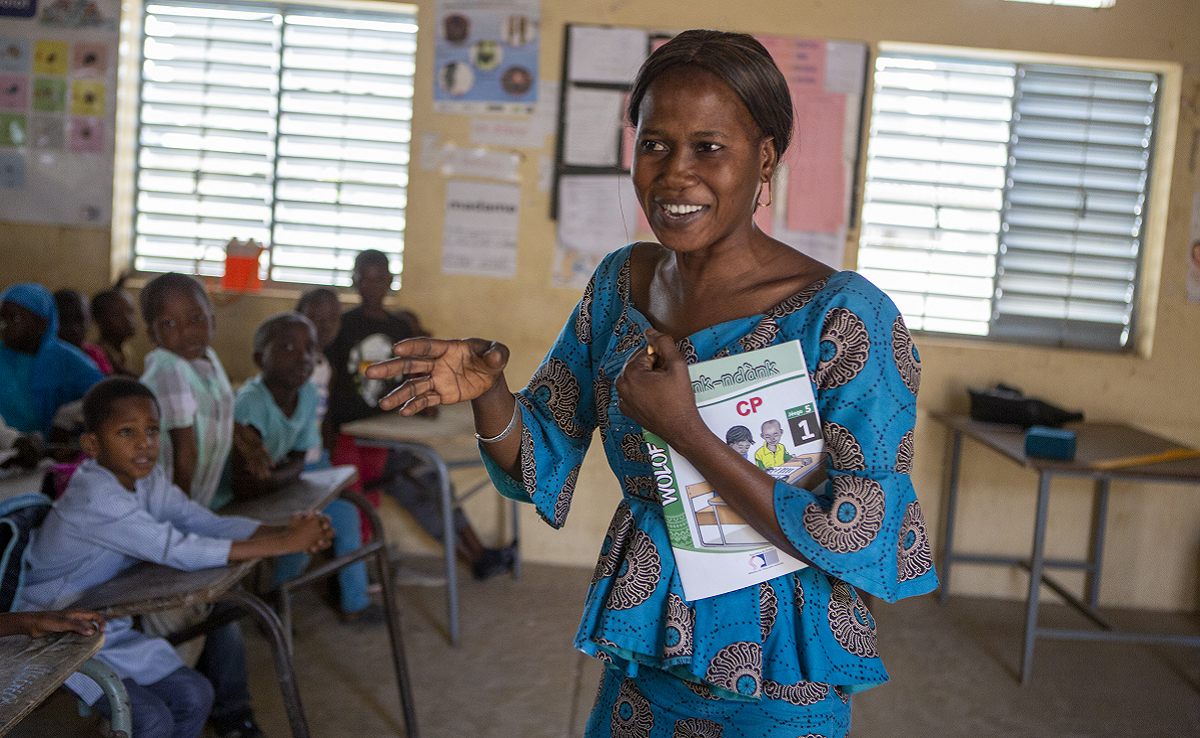
Indigenous languages in education: Senegal targets literacy doubling in 10 years

Indigenous languages in education: Senegal targets literacy doubling in 10 years
Save as PDF 

Johannesburg, South Africa – Senegal has announced a transformative shift in its education system by making indigenous languages the primary medium of instruction in primary schools from 2025. Currently, only 40% of the Senegalese population is literate in French, the official language, whereas nearly 90% are fluent in local languages such as Wolof and Pulaar.

The government aims to double the literacy rate to 80% by 2035.

This policy mirrors Rwanda’s success, where adopting Kinyarwanda in primary education led to a 35% improvement in academic performance over a decade.

Senegal anticipates that this inclusive educational strategy will reduce the rural dropout rate, which currently stands at 25%, to below 10% by 2030.

The project has an initial budget of $500 million and will be implemented in partnership with UNESCO. An estimated 200,000 new teachers will need training over the next five years to meet demand.


Related post

AfDB and African Deposit Funds target continent’s $402bn financing gap

AfDB and African Deposit Funds target continent’s $402bn financing…

 The Cotonou alliance seeks to convert part of Africa’s estimated $4tn pool of domestic institutional capital into infrastructure and productive investment, but has yet to…
The secret operation that took Lumumba’s children from Congo to Cairo

The secret operation that took Lumumba’s children from Congo…

 In October 1960, three children of Congo’s first prime minister were secretly evacuated from Léopoldville. The operation reveals a little-known chapter of Pan-African solidarity, although…
Angola and Botswana target livestock, diamonds and energy in push for deeper economic ties

Angola and Botswana target livestock, diamonds and energy in…

 The two Southern African nations want to turn nearly five decades of diplomatic relations into practical investments, with agriculture and livestock emerging as early priorities.…

Leave a Reply

Your email address will not be published. Required fields are marked *