Egypt: Economic reforms drive growth and attract foreign investment
- EconomicEgypt
- November 28, 2024
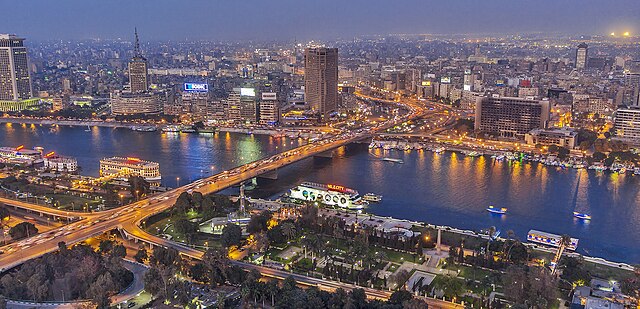

Johannesburg, South Africa – Egypt has emerged as a beacon of economic recovery in Africa and the Middle East, thanks to a series of structural reforms implemented in recent years. These initiatives aim to stabilise financial markets, attract foreign investment, and modernise the economy, delivering notable and sustainable growth.
Since 2016, Egypt has collaborated with international financial institutions, including the International Monetary Fund (IMF), to implement comprehensive economic reforms. In December 2022, the government secured a 46-month agreement with the IMF worth $3 billion, designed to fund and support structural changes. Key measures included the floatation of the Egyptian pound to enhance export competitiveness and attract foreign capital, and the gradual reduction of subsidies, freeing up resources for infrastructure and social programmes. Additionally, privatisation of state-owned enterprises has encouraged greater private sector participation, boosting transparency and efficiency.
These reforms have positioned Egypt as a prime destination for foreign direct investment (FDI), which reached $20.99 billion in the first quarter of 2024, a significant increase from $5.85 billion in the previous quarter.
Egypt’s gross domestic product (GDP) grew by 2.4 per cent in 2024, reflecting the economy’s resilience. Key sectors such as energy, tourism, and technology have been leading this growth. The energy sector, bolstered by the development of the Zohr gas field in the Mediterranean, has cemented Egypt’s status as a major exporter of natural gas. The tourism sector has also experienced a revival, with iconic sites reopening and the Grand Egyptian Museum drawing millions of visitors. Meanwhile, government-backed initiatives to develop tech hubs have positioned Egypt as a leading innovator in Africa.
Agriculture, a cornerstone of the economy, has benefited from investments in advanced irrigation systems and land reclamation projects, enhancing productivity and bolstering food security.
Infrastructure modernisation remains a cornerstone of Egypt’s economic strategy. The development of the new administrative capital, situated 45 kilometres from Cairo, underscores the government’s commitment to creating sustainable, modern cities. The area, which houses government ministries, corporate headquarters, and high-quality residential developments, has attracted billions of dollars in both domestic and foreign investment.
The Suez Canal continues to serve as a vital revenue stream for Egypt. Recent expansions and the development of the Suez Canal Economic Zone (SCZone) have transformed the area into a hub for logistics and manufacturing, drawing interest from major global players.
The Egyptian government has unveiled its 2025 General Budget, forecasting revenues of EGP 2.6 trillion against expenditures of EGP 3.9 trillion, resulting in a projected deficit of EGP 1.3 trillion. To bridge this gap, the government plans to increase reliance on domestic debt markets and explore innovative financial instruments, alongside securing bilateral and multilateral funding under favourable terms.
With robust structural reforms, consistent economic growth, and strategic investments across key sectors, Egypt is cementing its position as an economic powerhouse in Africa and the Middle East. Its strategy of economic diversification, infrastructure modernisation, and foreign investment attraction has set the country on a path to resilience and innovation. Egypt is steadily building a promising future, solidifying its status as a global economic success story.