Botswana’s inflation rebound highlights vulnerability to external shocks
- BotswanaEconomic OutlookFeatured
- October 3, 2026
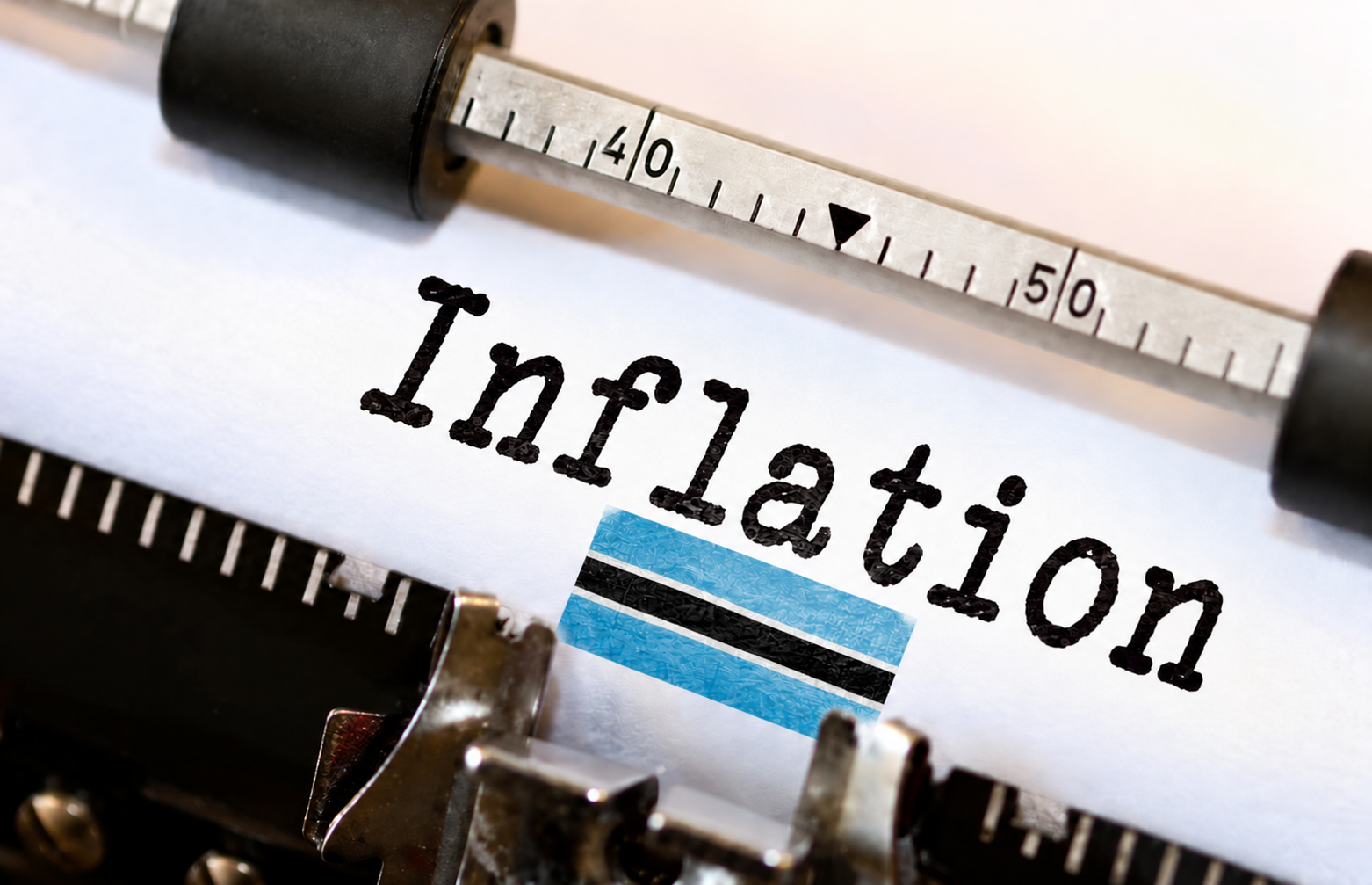

GABORONE — Botswana has moved from a period of subdued inflation to a renewed surge in consumer prices, exposing the vulnerability of its small, import-dependent economy to fuel costs, administered prices and exchange-rate movements. Annual inflation averaged 12.1 per cent in 2022, before falling to 5.2 per cent in 2023, 2.8 per cent in 2024 and 2.7 per cent in 2025. By August 2026, however, inflation had accelerated to 9.3 per cent, according to Statistics Botswana.
The reversal has been sharp. Inflation was just 1.4 per cent in August 2025, but rose to 3.9 per cent by December and accelerated to 10.3 per cent in April 2026. It reached 10.7 per cent in May and June before easing to 9.4 per cent in July and 9.3 per cent in August. The latest rate remains above the Bank of Botswana’s medium-term objective range of 3 to 6 per cent.
The acceleration in 2026 was driven in large part by domestic fuel-price increases, higher public transport fares and medical aid premiums. The Bank of Botswana estimated that these adjustments contributed 6.26 percentage points directly to inflation in April. A subsequent reduction in domestic fuel prices in July helped lower headline inflation by about 2.3 percentage points.
The composition of inflation also highlights Botswana’s exposure to imported costs. In August, imported tradable inflation stood at 13 per cent, compared with 7.2 per cent for domestic tradables and 6.2 per cent for non-tradables. Overall tradable inflation was 11.4 per cent, indicating that international prices and exchange-rate movements remain important channels through which external shocks reach domestic consumers.
The pula adds another layer to that exposure, the currency weakened following an adjustment to Botswana’s exchange-rate framework in 2025. Authorities said the change was intended to support competitiveness, economic diversification and the country’s external position.
But a weaker currency can also increase the pula cost of imported goods: when the exchange rate falls against major trading currencies, importers generally pay more in domestic currency for the same foreign-priced products.
Monetary policy has therefore faced a difficult balance, Botswana entered 2026 with inflation subdued and economic activity weak. The Bank of Botswana maintained an accommodative policy stance aimed at supporting economic activity while preserving price stability, after raising its policy rate during 2025.
The central bank has had to contend with the fact that part of the latest inflation shock originates from fuel prices, administered prices and imported costs, factors that higher interest rates can influence only indirectly.
The inflation rebound is also taking place against a weak economic backdrop. Botswana’s economy grew by 3.2 per cent in 2023 but contracted by 3 per cent in 2024, as mining output fell sharply. The weakness of the diamond sector has exposed the risks of an economic model heavily dependent on a single major export industry.
For households, the return of inflation above 9 per cent represents a significant change from the low-price environment of 2024 and 2025. Rising fuel and transport costs can quickly reduce disposable income, while higher prices for imported goods can add further pressure.
The headline rate does not mean every product has become 9.3 per cent more expensive, but it signals a substantial increase in the cost of the average consumer basket.
The longer-term challenge extends beyond inflation. Botswana needs to diversify exports, attract private investment and create new sources of employment as diamond production becomes less reliable as the sole engine of growth. Stronger private-sector participation, a broader export base and greater productivity will be important if the country is to reduce its exposure to commodity cycles.
The contrast of the past four years is striking: Botswana moved from 12.1 per cent average inflation in 2022 to 2.7 per cent in 2025, only to see inflation accelerate to 9.3 per cent by August 2026.
Botswana’s immediate challenge is therefore to contain renewed price pressures without tightening an economy already facing weak growth, while using the current shock to reinforce the case for a broader economic model less dependent on diamonds and more capable of generating sustainable investment, employment and household income.