Morocco moves from inflation shock to price stability
- Economic OutlookFeaturedMorocco
- October 3, 2026
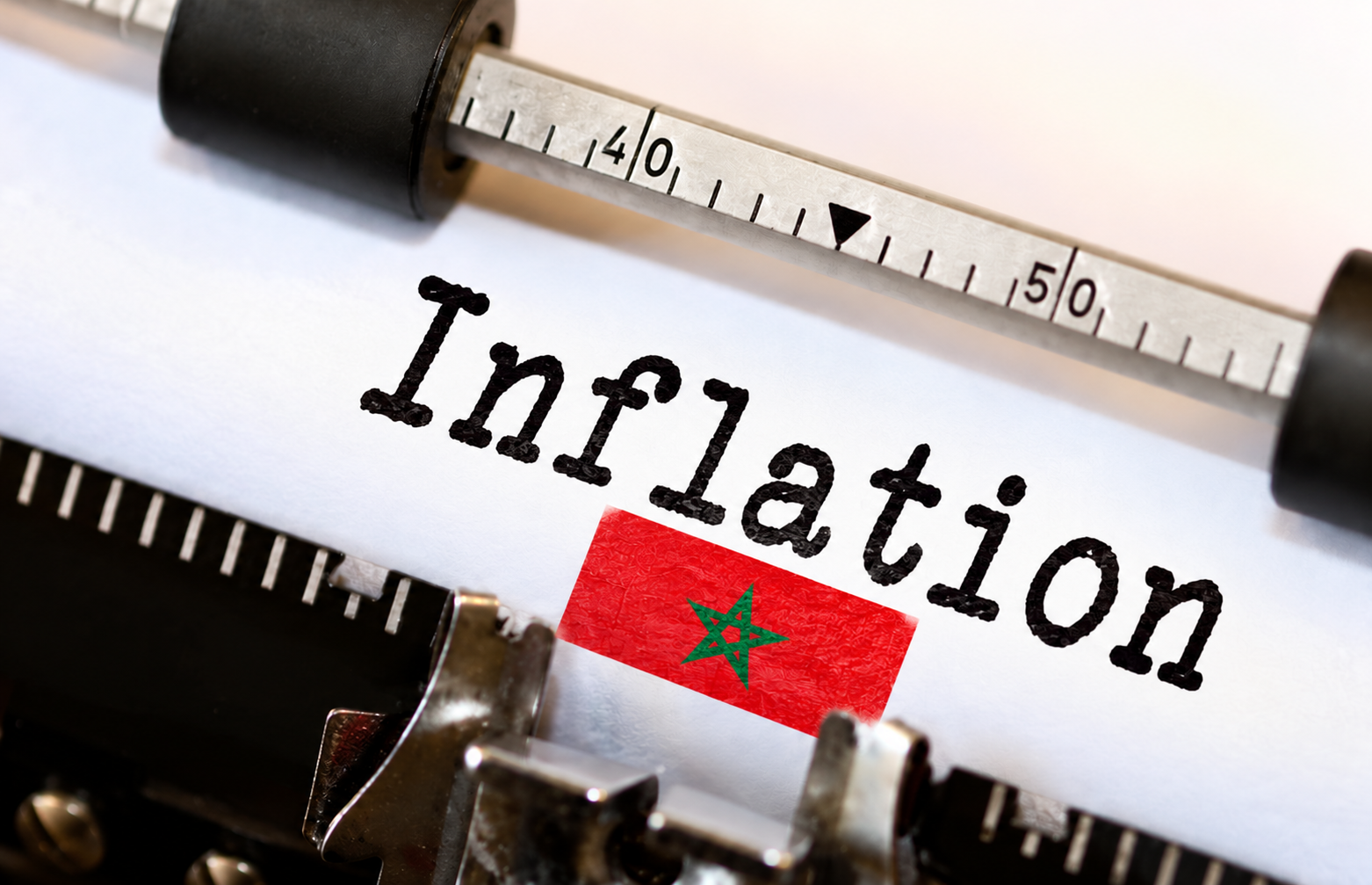

RABAT — Morocco has entered a period of near price stability after inflation reached 6.6 per cent in 2022 and 6.1 per cent in 2023. In August 2026, consumer prices were 0.3 per cent lower than a year earlier, according to the High Commission for Planning (HCP).
The reversal has been rapid, average inflation fell to 0.9 per cent in 2024 and 0.8 per cent in 2025, while underlying inflation, excluding more volatile components and certain administered prices, rose by just 0.1 per cent year on year in August 2026. The figures point to a substantial easing in underlying domestic price pressures.
The contrast with 2022 and 2023 is particularly stark, the inflation shock was driven by higher international energy and food prices, disruptions to global supply chains and the effects of Russia’s invasion of Ukraine. In 2023, prices for food and non-alcoholic beverages rose 12.9 per cent, putting significant pressure on household purchasing power.
From 2024, several of those pressures began to fade, the normalisation of international commodity prices, improved supply conditions and weaker food-price pressures helped drive the rapid slowdown in consumer inflation. Monetary policy also played a role.
Bank Al-Maghrib raised interest rates during the period of strongest inflationary pressure, seeking to contain second-round effects on the economy, before moving towards monetary easing as price pressures subsided.
The timing nevertheless calls for caution in attributing the improvement to any single policy. The government led by Prime Minister Aziz Akhannouch has been in office throughout the period of disinflation, but consumer prices reflect a combination of external conditions, monetary policy, supply factors and fiscal measures. The coincidence between government action and falling inflation does not, in itself, establish a causal relationship.
The composition of the consumer price index also shows that overall stability masks significant differences across categories. In August, food prices were 3.9 per cent lower than a year earlier, while non-food prices rose 2.5 per cent. Transport costs were 7.3 per cent higher and fuel prices jumped 9.8 per cent between July and August alone, highlighting the continued volatility of some components.
For households, low inflation does not necessarily mean a low cost of living. Disinflation reduces the pace at which prices rise, but it does not reverse the cumulative increases recorded during the years of high inflation. The impact on living standards therefore depends on the evolution of wages, employment and disposable income.
Agriculture remains another source of risk. Morocco is exposed to weather conditions and water availability, both of which can affect agricultural output and trigger renewed movements in food prices. The price stability recorded in 2026 therefore does not eliminate the possibility of future supply shocks.
The economic policy challenge is now changing. In 2022 and 2023, the priority was to contain the erosion of purchasing power caused by inflation. In 2026, with prices close to stability, attention is shifting towards the ability to translate a more predictable macroeconomic environment into growth, investment, productivity and employment.
That transition matters because low inflation, on its own, does not guarantee greater prosperity. For disinflation to produce a sustained improvement in living standards, real incomes will need to grow alongside price stability, while the economy seeks to raise productivity and create jobs.
The trajectory of the past four years is nevertheless significant, Morocco has moved from 6.6 per cent inflation in 2022 to a negative year-on-year rate of 0.3 per cent in August 2026.
The battle against inflation has lost much of its urgency. The next challenge is broader: to preserve price stability while turning it into stronger economic growth, higher investment and sustainable gains in household incomes.