Assessing the likelihood of civil unrest if Trump loses the election
- AmericaOpinions
- November 2, 2024

As the United States approaches another contentious election, questions have arisen about the possibility of civil unrest if former President Donald Trump were to lose. Given the current political climate, analysts are considering various factors to evaluate the likelihood of widespread conflict.
The United States has seen increased polarization in recent years, fueled by stark political, cultural, and social divides. A significant portion of Trump’s support base holds deep-rooted skepticism towards traditional institutions and the media. The persistent narrative of electoral fraud since 2020 has amplified distrust in the electoral process among some voters, exacerbating the country’s ideological split.
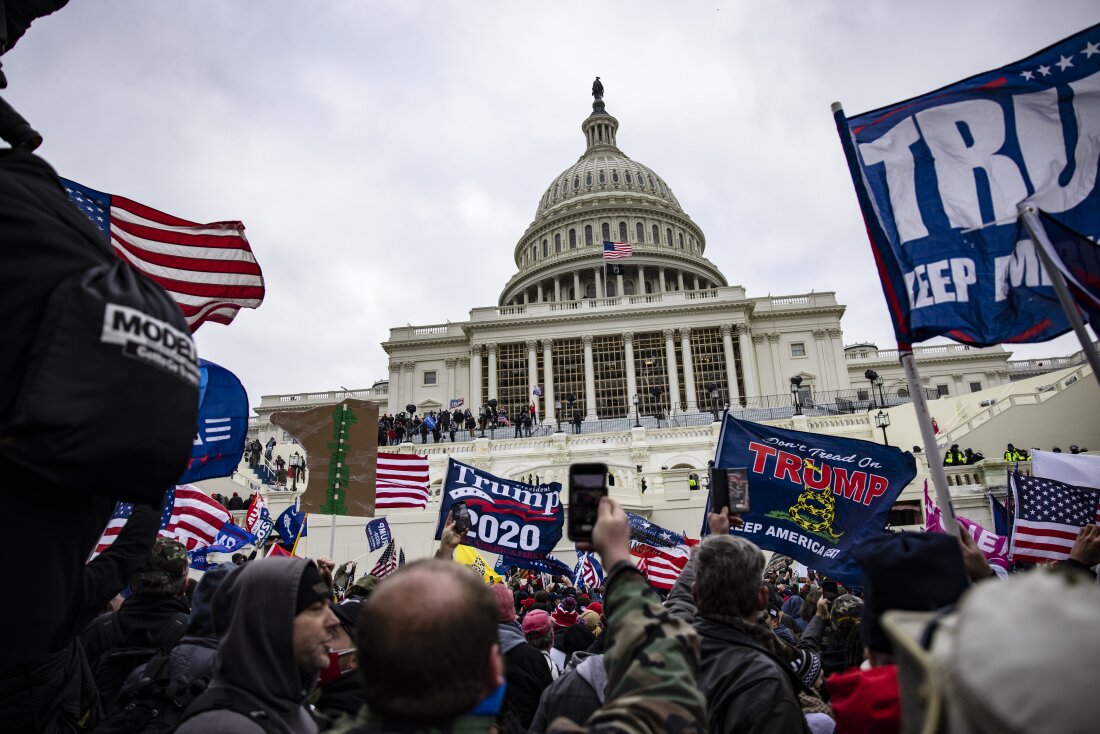
The power of rhetoric in influencing public sentiment is notable. If Trump or other political figures were to contest the election results, calling them illegitimate or unjust, it could intensify discontent. The January 6 Capitol riot underscored how charged rhetoric from leaders can, in some cases, inspire violent political action. However, isolated incidents of violence do not equate to the conditions for a nationwide civil war.
U.S. institutions — the electoral system, judiciary, Congress, and law enforcement agencies — are designed to withstand political pressures and ensure continuity. The judiciary, for instance, has handled numerous election challenges and allegations of fraud openly and rigorously. While these structures have been tested during periods of heightened tension, they provide a framework for addressing disputes through established legal channels rather than through violent means.
With a long democratic history and a federal structure accommodating a wide range of political views, the United States has a foundation for peacefully resolving disputes. Despite enduring significant political divides over the past 150 years, the nation has avoided falling into civil war. This historical resilience suggests the capacity to overcome deep tensions without descending into widespread conflict, though sporadic localized unrest remains possible.
While armed extremist groups exist on both sides of the political spectrum, they represent a minority. Law enforcement agencies are prepared to address any insurrection attempts. The fragmented nature of these groups makes it unlikely they would coordinate a unified uprising. Although sporadic violence might occur, the lack of cohesion among these groups limits the risk of an organized conflict.
The chances of a large-scale civil war in the U.S., should Trump lose the election, remain slim. The nation’s institutions, adherence to constitutional order, and the dispersed nature of extremist groups collectively reduce the risk of widespread conflict. Despite inflammatory rhetoric and social divisions potentially sparking isolated acts of violence or demonstrations, the American democratic system has shown resilience in overcoming profound political divides.