Nigeria grows with infrastructure and social investments
- EconomicNigeria
- October 15, 2024
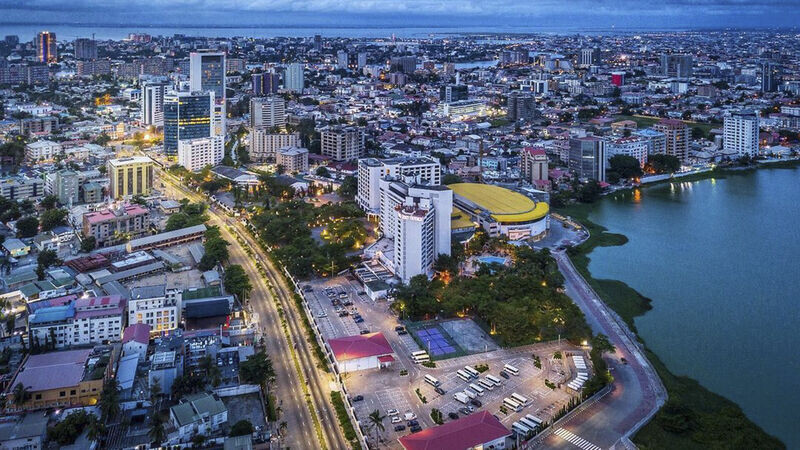

Nigeria, Africa’s largest economy with a GDP of $507 billion in 2024, is seeing the impact of strategic investments designed to transform infrastructure, diversify the economy, and uplift millions of its citizens. Focusing on rural electrification, education, transportation, and social programs, the Nigerian government is driving an inclusive, sustainable future and solidifying its status as a regional economic powerhouse.
In 2024, Nigeria’s Rural Electrification Agency allocated $2.5 billion to extend electricity access to 25 million rural residents, primarily through solar energy. This initiative has significantly cut reliance on diesel generators, promoting environmental sustainability while powering over 5,000 new schools and health centers in remote areas, directly benefiting millions.
The N-Power program, part of the National Social Investment Program (NSIP), remains a key tool for empowering youth. In 2024, over 500,000 young Nigerians received training in technology, agriculture, and education, equipping them with vital skills for the job market. With a $600 million budget, N-Power is reducing youth unemployment and fostering entrepreneurship, particularly in rural areas.
One of Nigeria’s most ambitious infrastructure projects, the Second Niger Bridge, was completed in 2024 with a $700 million investment. Connecting southeastern states, the bridge benefits 30 million people by cutting travel time by over 50%. It is also boosting regional economic growth, facilitating interstate trade, and improving worker mobility.
In the education sector, Nigeria increased its budget to $1.5 billion in 2024, focusing on school infrastructure and teacher training. Over five years, the government built more than 3,000 schools and trained 250,000 teachers, significantly raising educational standards and expanding access to quality education for over 10 million students.
In 2024, Nigeria’s commitment to using its revenues for national development is clear. By strategically investing in renewable energy, education, and infrastructure, the country is not only driving economic growth but also transforming the lives of millions of citizens, cementing its position as a rising force on the African continent.