Mozambique’s fragile recovery faces a new test as inflation and fiscal pressures persist
- Economic OutlookFeaturedMozambique
- October 15, 2026
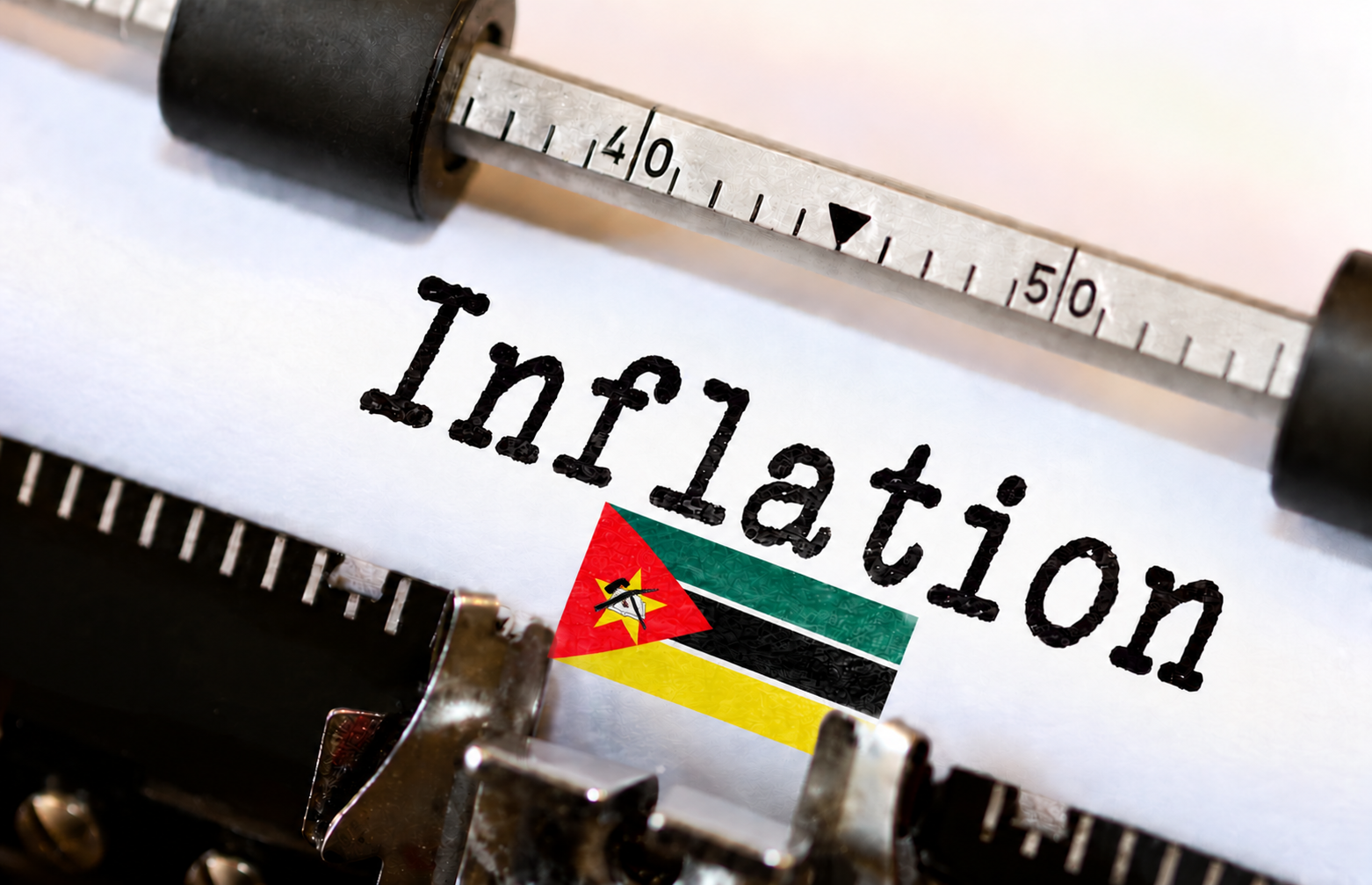

MAPUTO — Mozambique’s economy is showing tentative signs of recovery after a difficult 2025, but elevated inflation, heavy public debt and tight financing conditions are complicating the return to stronger growth. Annual inflation stood at 6.31 per cent in September 2026, easing slightly from 6.45 per cent in August but remaining well above the levels recorded at the end of last year, according to the National Institute of Statistics (INE).
The shift marks a reversal from several years of moderating price pressures. Inflation fell from 10.9 per cent in 2022 to 4.3 per cent in 2023 and 4.1 per cent in 2024, before ending 2025 at about 3.2 per cent. The subsequent acceleration has been driven partly by food and other essential goods, making the increase particularly important for household purchasing power.
The latest monthly data, however, suggest that inflation may no longer be accelerating at the same pace. Consumer prices rose 0.16 per cent between August and September, while the annual rate edged down to 6.31 per cent. The distinction matters: inflation remains elevated, but September brought a modest easing rather than a further acceleration.
Price pressures are emerging as economic activity begins a fragile recovery. Mozambique’s performance deteriorated sharply in 2025. The INE reported an annual contraction of 0.2 per cent, while the International Monetary Fund estimated growth of about 0.5 per cent, reflecting differences in their respective assessments. Both measures nevertheless point to an economy that lost substantial momentum.
More recent figures offer some improvement. Real GDP expanded 1.74 per cent year on year in the second quarter of 2026, while cumulative growth during the first half reached about 0.93 per cent, according to the INE. The figures suggest that Mozambique is emerging from stagnation, but the pace remains weak for an economy with substantial development and employment needs.
This combination of subdued growth and elevated inflation creates a difficult policy trade-off. Lower interest rates could support investment and domestic demand, but further monetary easing risks adding to price pressures and increasing strains in the foreign-exchange market.
The Bank of Mozambique had considerable room to cut rates when inflation was falling, reducing its policy rate by a cumulative 775 basis points from January 2024. That room has narrowed. With inflation again above 6 per cent and foreign-exchange conditions remaining important to price stability, monetary policy must balance the need to support recovery against the risk of reigniting broader inflationary pressures.
Fiscal policy offers even less room for manoeuvre. Mozambique entered this period with high public debt and significant financing requirements. The IMF estimated public-sector debt at roughly 91.4 per cent of GDP in 2025 and assessed the country’s debt position as unsustainable under current policies. High debt-service obligations reduce the resources available for infrastructure, health, education and other development priorities.
The fiscal challenge also interacts with monetary policy. Limited access to affordable financing increases pressure on domestic funding sources, while excessive reliance on the financial system to finance government deficits could crowd out private-sector credit and complicate efforts to maintain price and exchange-rate stability.
Mozambique nevertheless retains an important external buffer. Gross international reserves stood at about $4.24bn at the end of 2025, equivalent to roughly 6.5 months of imports. But the economy remains exposed to commodity-price movements, import costs and foreign-exchange availability, making the preservation of reserves important as domestic demand gradually recovers.
The country’s vast natural-gas resources could eventually transform that equation. Large liquefied natural gas projects have the potential to increase exports, attract foreign capital and generate substantial fiscal revenues. But much of the expected impact lies ahead, and the timing will depend on project execution, security conditions and the pace at which production expands.
Gas therefore cannot substitute for reforms in the rest of the economy. Capital-intensive extractive projects can generate large export revenues without necessarily creating enough jobs or productive linkages for the wider population. Agriculture, manufacturing, services and small businesses will remain critical to employment and household incomes.
For Mozambican families, the distinction between lower inflation and lower prices is equally important. Inflation of 6.31 per cent means the average consumer basket is still more expensive than a year earlier. The cumulative price increases of previous years have not disappeared, making wage growth, employment and productivity essential to any sustained recovery in purchasing power.
Mozambique’s immediate challenge is therefore not simply to reduce inflation or accelerate GDP growth. It is to restore growth without worsening fiscal, debt and foreign-exchange vulnerabilities, while creating the conditions for private investment and employment.
The country possesses natural resources capable of reshaping its economic future. But the decisive test will come before the full benefits of major gas projects arrive: whether Mozambique can stabilise its public finances, preserve price and currency stability and build a broader productive economy capable of turning resource wealth into jobs and lasting gains in household incomes.