Uganda mobilises $17.7bn energy investment to achieve 85% electricity access by 2030
- EconomicUganda
- October 31, 2026
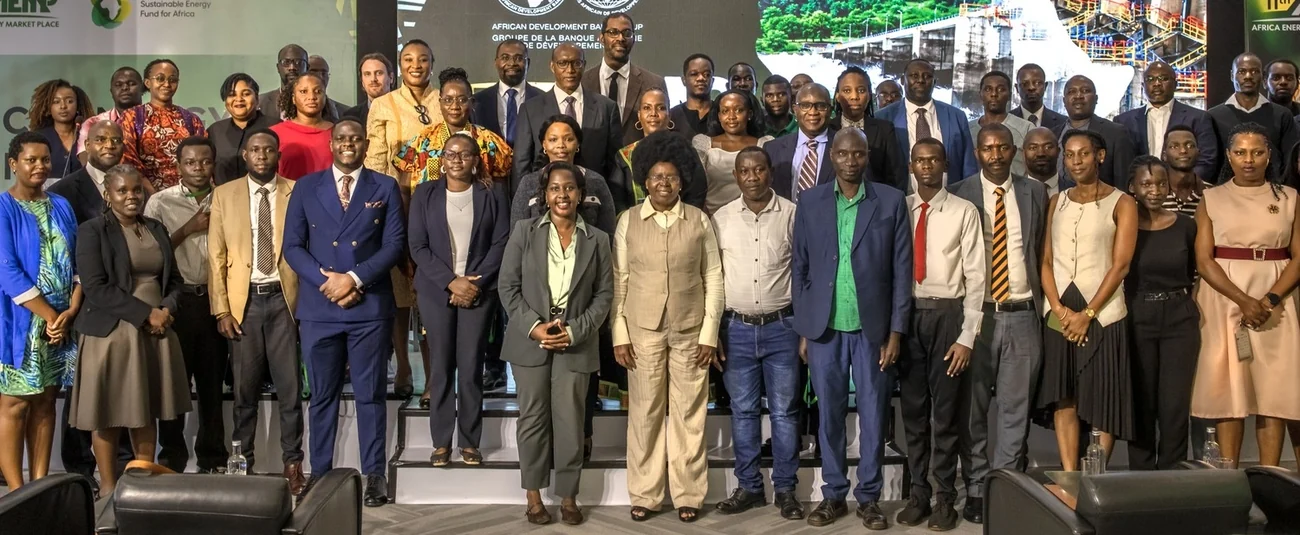

Uganda has unveiled an ambitious $17.7bn energy investment programme aimed at raising electricity access to 85 per cent of the population and clean cooking access to 50 per cent by 2030, placing private capital at the centre of its energy transition.
Launched on 22 October by Prime Minister Robinah Nabbanja at the 11th Africa Energy Market Place in Kampala, the National Energy Compact requires approximately $9.44bn in additional private investment, alongside public and development finance.
The programme forms part of Mission 300, a joint initiative of the African Development Bank (AfDB) and World Bank to connect 300 million additional people across Africa to electricity by 2030. It also supports Uganda’s longer-term Vision 2040 development ambitions.
Beyond expanding household connections, Kampala is targeting approximately 2,500 megawatts (MW) of operational generation capacity, alongside a further 5,800MW of projects reaching financial close for commissioning after 2030. The plan also includes 2,712 mini-grids and electricity exports of between 500MW and 650MW to neighbouring markets.
The investment agenda reflects a broader economic calculation, reliable electricity is essential to expanding agricultural processing, industrial production, irrigation and regional trade.
Energy Minister Monica Masanza described the compact as a shift from political ambition towards an implementation framework with defined deadlines, financing requirements and institutional responsibilities.
For investors, however, the critical test will be execution. The government has committed to establishing a Compact Delivery and Monitoring Unit within the Ministry of Energy to coordinate implementation, track progress and strengthen accountability.
AfDB Vice-President Kevin Kariuki highlighted Uganda’s largely untapped renewable energy potential and the opportunity to consolidate its position within the East African Power Pool.
The first semi-annual implementation report is expected in December 2026. The challenge is no longer defining Uganda’s energy ambitions, but mobilising capital and delivering infrastructure at the scale required.