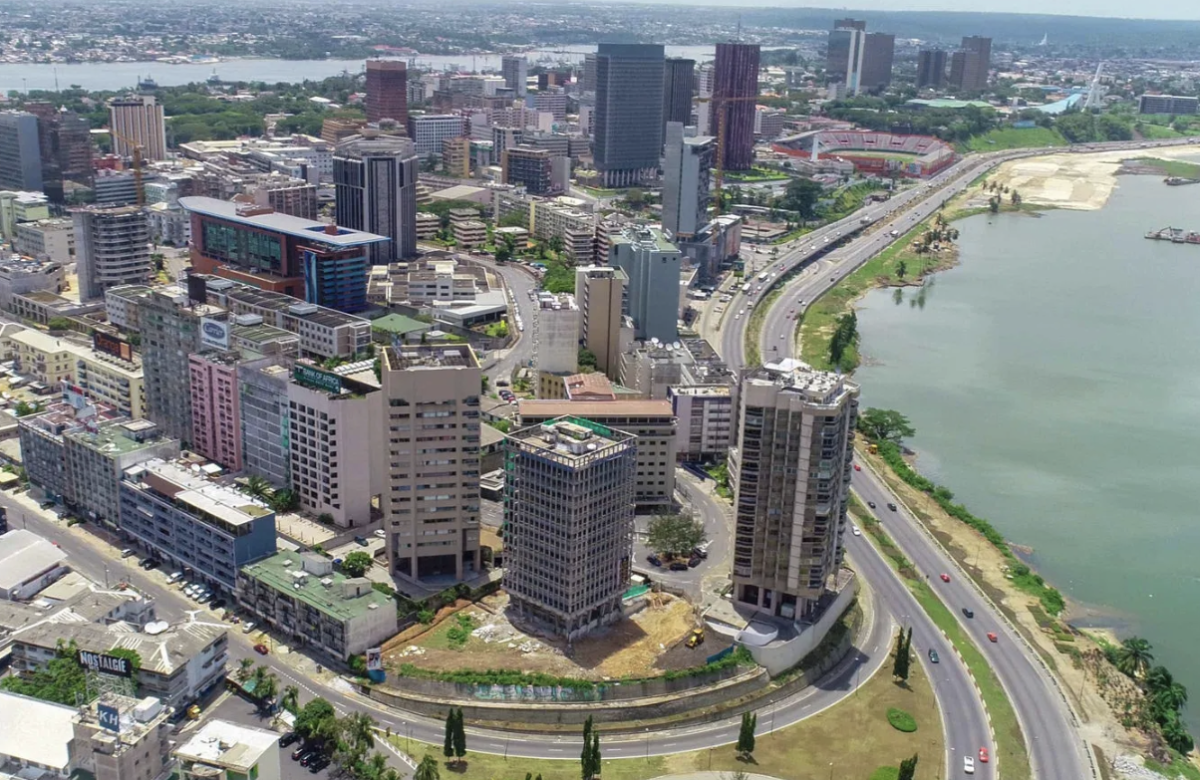
Sub-Saharan Africa heads into 2026 with strong growth momentum, but global conflicts and climate shocks threaten recovery
- Economic
- June 15, 2026

By AfricaHeadline | Economic Analysis
Sub-Saharan Africa is entering 2026 as one of the world’s fastest-growing regions, yet its economic outlook is becoming increasingly complex as geopolitical tensions, inflationary pressures, and climate-related disruptions threaten to undermine recent gains.
Following a decade marked by currency crises, rising debt burdens, pandemic-related disruptions, and volatile commodity markets, the region is estimated to have expanded by approximately 4.5% in 2025, its strongest growth performance in ten years. The recovery reflects a combination of macroeconomic reforms, fiscal consolidation efforts, improving investor confidence, and a gradual return of foreign direct investment flows.
Yet economists caution that optimism must be tempered by realism. The ongoing conflict in the Middle East has emerged as one of the most significant external risks facing African economies, injecting fresh uncertainty into the region’s prospects for 2026.
Rising energy costs rekindle inflation risks
The economic consequences of the Middle East conflict extend far beyond the region itself. Higher global oil prices are increasing transportation, electricity, and production costs across much of Sub-Saharan Africa, particularly in net energy-importing nations such as Kenya, Senegal, and Côte d’Ivoire.
The surge in fertilizer prices presents another major concern. Many African agricultural systems remain heavily dependent on imported inputs, leaving farmers vulnerable to international price shocks. The result could be lower agricultural productivity, higher food prices, and increased food insecurity across several economies.
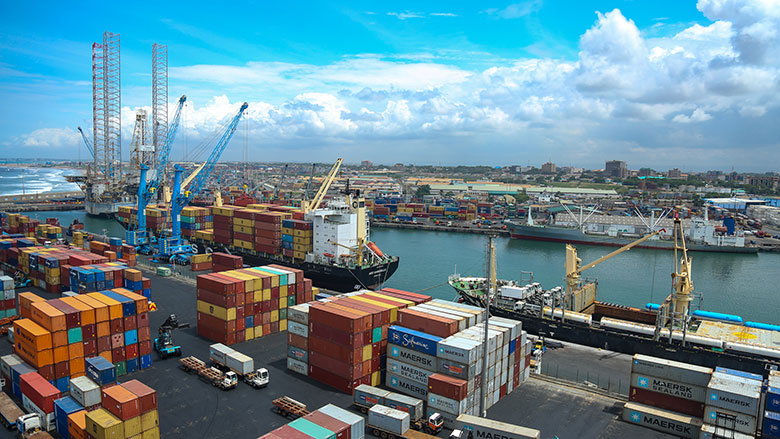
Shipping costs are also climbing as security concerns affect key maritime routes linked to the Red Sea and the Suez Canal. For import-dependent economies, higher freight expenses translate directly into increased consumer prices, tighter fiscal conditions, and greater pressure on foreign exchange reserves.
IMF cuts regional growth forecast
Reflecting these mounting challenges, the International Monetary Fund has revised its forecast for Sub-Saharan Africa’s economic growth to 4.3% in 2026. While the figure remains well above growth rates projected for many advanced economies, the downgrade highlights the fragility of the region’s recovery.
The revision is driven not only by geopolitical tensions but also by a broader set of interconnected risks that could significantly alter the region’s economic trajectory.
Among them are the possibility of a wider escalation of the Middle East conflict, tighter global financial conditions resulting from elevated interest rates in the United States and Europe, and increasingly frequent climate-related shocks.
Severe droughts, devastating floods, and unpredictable weather patterns have already imposed substantial economic costs on countries including Ethiopia, Malawi, Mozambique, and Zambia. Analysts warn that climate-related disruptions may become one of the most significant structural threats to African growth over the coming decade.
Fragile economies face the greatest exposure
Although regional growth remains relatively resilient, the impact of external shocks is unlikely to be evenly distributed.
The poorest and most institutionally vulnerable countries face disproportionately higher risks. Economies dependent on a narrow range of exports, limited fiscal capacity, and high poverty levels possess fewer tools to absorb sudden increases in global commodity prices or disruptions in capital flows.
Tourism, a critical source of foreign exchange earnings for several African nations, also remains vulnerable. Any deterioration in global consumer confidence or increased perceptions of geopolitical risk could weaken visitor arrivals, affecting employment, government revenues, and balance-of-payments stability.
For many governments, the central challenge will be preventing temporary external shocks from evolving into prolonged economic crises.
Policy credibility becomes a strategic asset
As uncertainty rises, the credibility of economic institutions is becoming increasingly important.
Central banks face the difficult task of containing inflation without undermining growth. Recent experience across emerging markets has demonstrated how quickly inflation expectations can become unanchored, triggering currency depreciation, capital outflows, and broader economic instability.
Economists argue that transparent and consistent monetary policies will be essential to maintaining investor confidence and financial stability.
At the same time, governments are under pressure to balance fiscal discipline with the need to protect vulnerable populations from rising living costs.
Targeted social support programs, temporary subsidies, and food security initiatives are expected to play an increasingly important role in economic policy frameworks throughout the region.
Structural reforms return to the center of the agenda
Beyond managing immediate risks, economists emphasize that Sub-Saharan Africa’s long-term success will depend on accelerating structural transformation.
Excessive reliance on commodities remains a persistent vulnerability. Fluctuations in oil, mineral, and agricultural prices continue to shape economic cycles across many African nations, often exposing governments to external volatility.
As a result, reforms aimed at improving the business environment, strengthening institutions, expanding industrial capacity, and fostering economic diversification have returned to the forefront of policy discussions.
Countries that successfully invest in infrastructure, digital transformation, manufacturing, education, and innovation are expected to be better positioned to withstand future external shocks while generating sustainable employment opportunities.
A growing regulatory and legal challenge
The economic challenges ahead are not purely financial; they also carry significant legal and regulatory implications.
Disruptions to international trade may require adjustments to regional trade agreements and economic integration frameworks. Policymakers are increasingly confronting issues related to consumer protection, food security, competition policy, and market regulation.
At the same time, greater climate vulnerability is placing renewed emphasis on environmental legislation, disaster-risk management frameworks, agricultural insurance mechanisms, and climate finance regulations.
Sovereign debt risks remain another area of concern. As global financing conditions tighten, several African governments may face increasing pressure in managing public debt obligations, making debt restructuring frameworks and fiscal governance reforms increasingly important.
Africa’s future, resilience amid uncertainty
The message for 2026 is clear: Sub-Saharan Africa remains one of the world’s most promising growth stories, but its trajectory will depend heavily on policymakers’ ability to navigate external shocks without sacrificing domestic stability.
The combination of prudent macroeconomic management, structural reforms, social protection measures, and stronger institutions will determine whether the region can transform today’s recovery into a sustained period of inclusive and resilient development.
For global investors, multilateral institutions, and policymakers, Sub-Saharan Africa continues to represent a strategic opportunity. Yet in a world increasingly shaped by geopolitical fragmentation, trade disruptions, and climate volatility, resilience may ultimately become the continent’s most valuable economic asset.