DR Congo bets on transport to diversify its economy, but the real test lies in the contracts
- Democratic Republic of the Congo (DRC)Economic
- October 22, 2026

Kinshasa has launched a sweeping infrastructure drive, from aviation to ports. Success will depend less on concrete than on governance.
LAGOS – The Democratic Republic of Congo is accelerating an ambitious programme to modernise its transport network. It wants to turn its mineral wealth into a more diversified economic base. Success, however, will hinge less on the works themselves than on the quality of the contracts and the state’s capacity to enforce them.
In Kinshasa, a city of 20mn to 22mn people, congestion has become a visible economic cost. Rural migration and a growing middle class, with several vehicles per household, are straining an undersized road network. Since 2022, under a presidential directive, 170km of new arterial roads have been under construction, and an expressway linking the city centre to N’djili airport is planned. Officials acknowledge, however, that undisciplined driving compounds the problem. That is the backdrop to the introduction of new biometric driving licences.
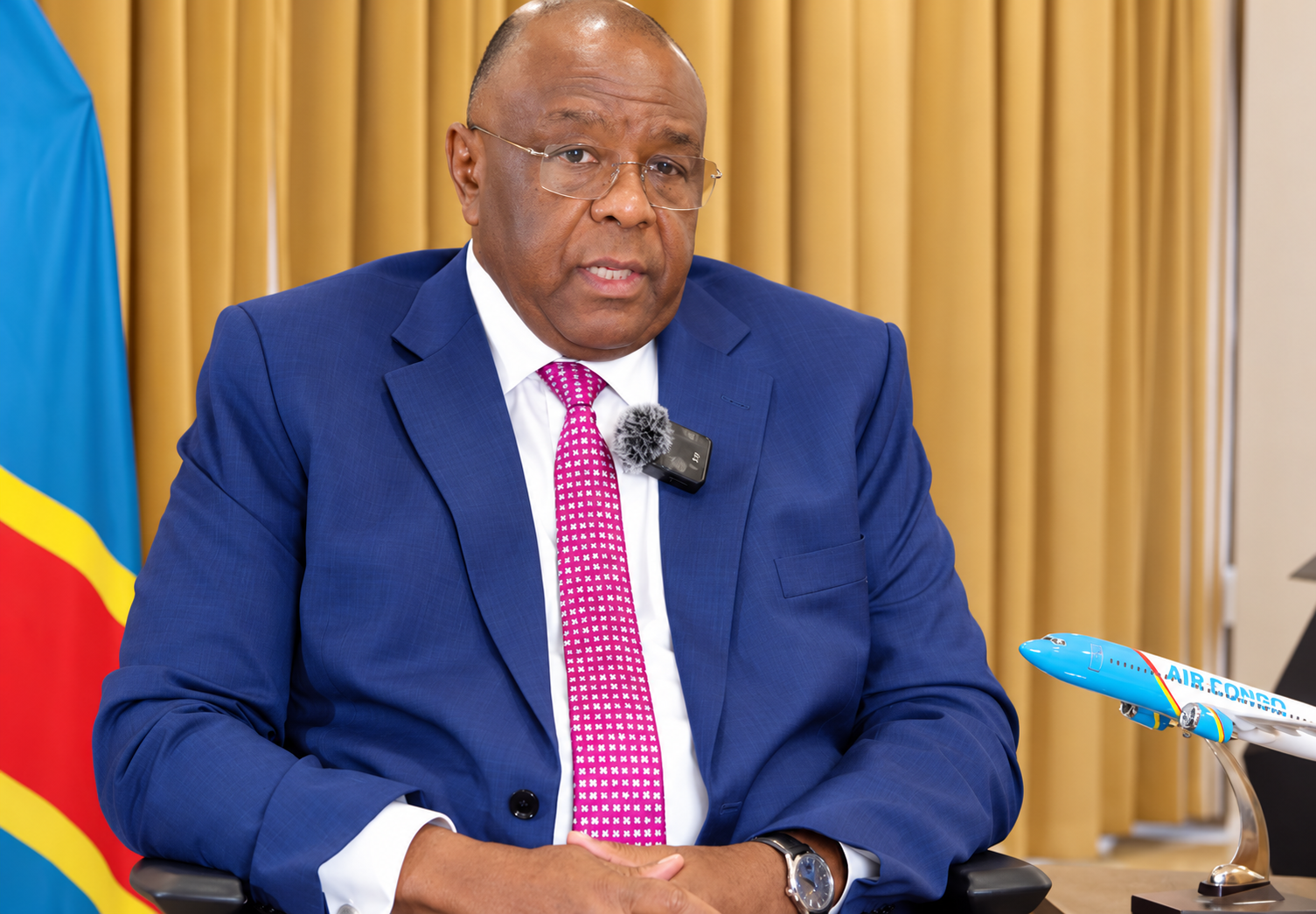
In aviation, the new national carrier, Air Congo, operates three Boeing 737-800s, two ATR 72s and a Boeing 787, with routes to Brussels, Paris and South Africa. The aim is to lift compliance with ICAO safety standards from 49.5 per cent to 69.5 per cent. That threshold remains modest but is crucial for access to international markets.
The centrepiece of the strategy is logistics. The deepwater port at Banana, developed through a public-private partnership, is expected to open in the first quarter of next year. Matadi is being refurbished with MSC. The Matadi–Kinshasa railway, dry ports at Kasumbalesa and along the Central Corridor, and navigation markers on the Congo River are meant to create an intermodal network that can cut export costs.
The Lobito Corridor, which links the DRC and Zambia to Angola’s Atlantic coast, gives the agenda a geopolitical dimension. Kinshasa wants the corridor to carry not only minerals but also agricultural and industrial goods.
The risks are well known. Reliance on PPPs exposes the state to lopsided contracts and future litigation, in a country with weak transparency in public procurement. Expropriation, compensation and environmental impacts could delay the works. For investors, the metric that matters will be delivery, not announcements.