Angola marks 50 years of independence with cross-border academic dialogue in Lubumbashi
- AngolaCentral AfricaDemocratic Republic of the Congo (DRC)MagazinePoliticsSouthern Africa
- November 22, 2025


Lubumbashi — The Consulate General of the Republic of Angola in Katanga hosted on Friday, November 21, the First International Colloquium “Angola at 50 Years of Independence: Path, Achievements and Perspectives,” an event held in partnership with the University of Lubumbashi, Agostinho Neto University, Lueji A’Nkonde University and the Venâncio de Moura Diplomatic Academy.

AfricaHeadline Reports Team
editorial@dw-demosnewstaion.online
The gathering, held at the University of Lubumbashi, brought together scholars, diplomats, researchers and students from Angola, the Democratic Republic of the Congo, and several other countries. The event created a forum for reflection on Angola’s five decades of independence—an era marked by conflict, reconstruction, and the pursuit of political and economic stability.
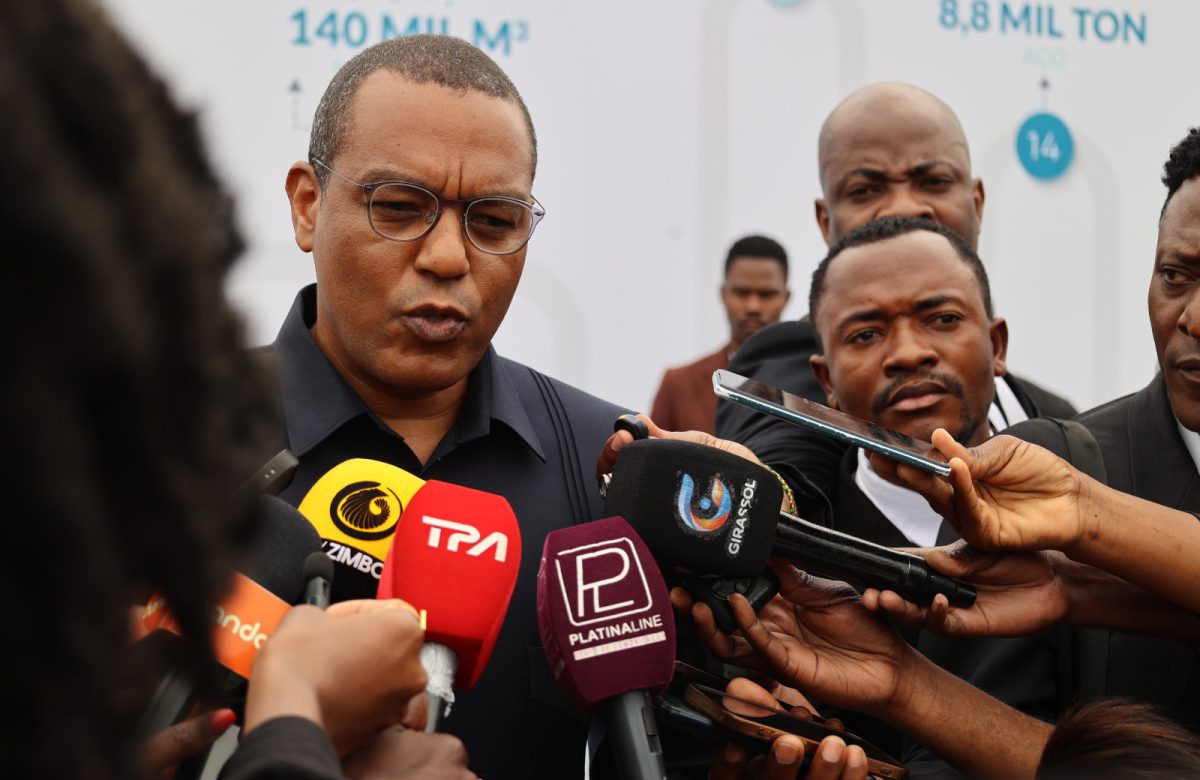
The opening session featured remarks by Professor Malemba N’sakila, Secretary-General of the University of Lubumbashi, who congratulated Angola on its historical journey since 1975. Angola’s Consul General in Katanga, António Miala, emphasized the deep historical, geographic and cultural ties linking Angola and the DRC, describing academic and cultural cooperation as a strategic pillar of bilateral relations.
Over the course of the day, the colloquium examined Angola’s trajectory through four central themes: historical memory, cultural identities, institutional and economic transformation, and regional relations. Participants highlighted Angola’s progress in consolidating peace, rebuilding infrastructure and strengthening state institutions, while noting persistent challenges—chief among them the urgent need for broader economic diversification.
One example frequently cited was the Lobito Corridor, presented as a key driver of regional integration and cross-border economic growth in Southern and Central Africa.
Angola–DRC cooperation received particular focus, with speakers underscoring its central role in stabilizing and developing the Great Lakes region. In closing remarks, Consul General Miala said the discussions helped illuminate “the complexity of Angola’s historical trajectory,” recalling that the nation emerged during the Cold War, endured decades of civil conflict and now positions itself as a stabilizing force in the region.
He also pointed to advancements in institutional governance, national reconciliation and infrastructure development, stressing that the insights generated at the colloquium will inform future academic, scientific and bilateral cooperation initiatives.
According to participants, the event not only celebrated Angola’s historical milestones but also strengthened pathways for collaboration among public institutions, private entities, universities and diplomatic partners in both countries.