Angola leads hunger reduction across 34 African countries as agricultural output expands
- AlgeriaAngolaEconomic AnalysisEthiopiaSenegal
- November 28, 2026

Progress in Angola, Ethiopia, Senegal and Algeria points to a gradual transformation of Africa’s food security landscape, with implications for currency stability, economic diversification, industrialisation and employment.
AfricaHeadline | Economic & Geoeconomic Analysis
ABIDJAN – Angola has recorded the largest decline in the prevalence of undernourishment among 34 African countries surveyed, with a reduction of 25.5 percentage points over two decades, a period marked by economic reconstruction, agricultural expansion and efforts to diversify its oil-dependent economy.
According to data compiled in Africa in Numbers: The Numbers Behind Food Security, Angola’s undernourishment rate fell from 42.9 per cent in 2004–2006 to 17.4 per cent in 2023–2025, below the African average of 20 per cent.
In relative terms, Angola achieved a reduction of 59.4 per cent, compared with 45.3 per cent in Ethiopia and 66.5 per cent in Senegal. Algeria, meanwhile, recorded an undernourishment rate below 2.5 per cent.
The figures reflect distinct agricultural development trajectories and underscore the growing importance of food security in African economic policymaking.
Angola: from food dependence to economic diversification
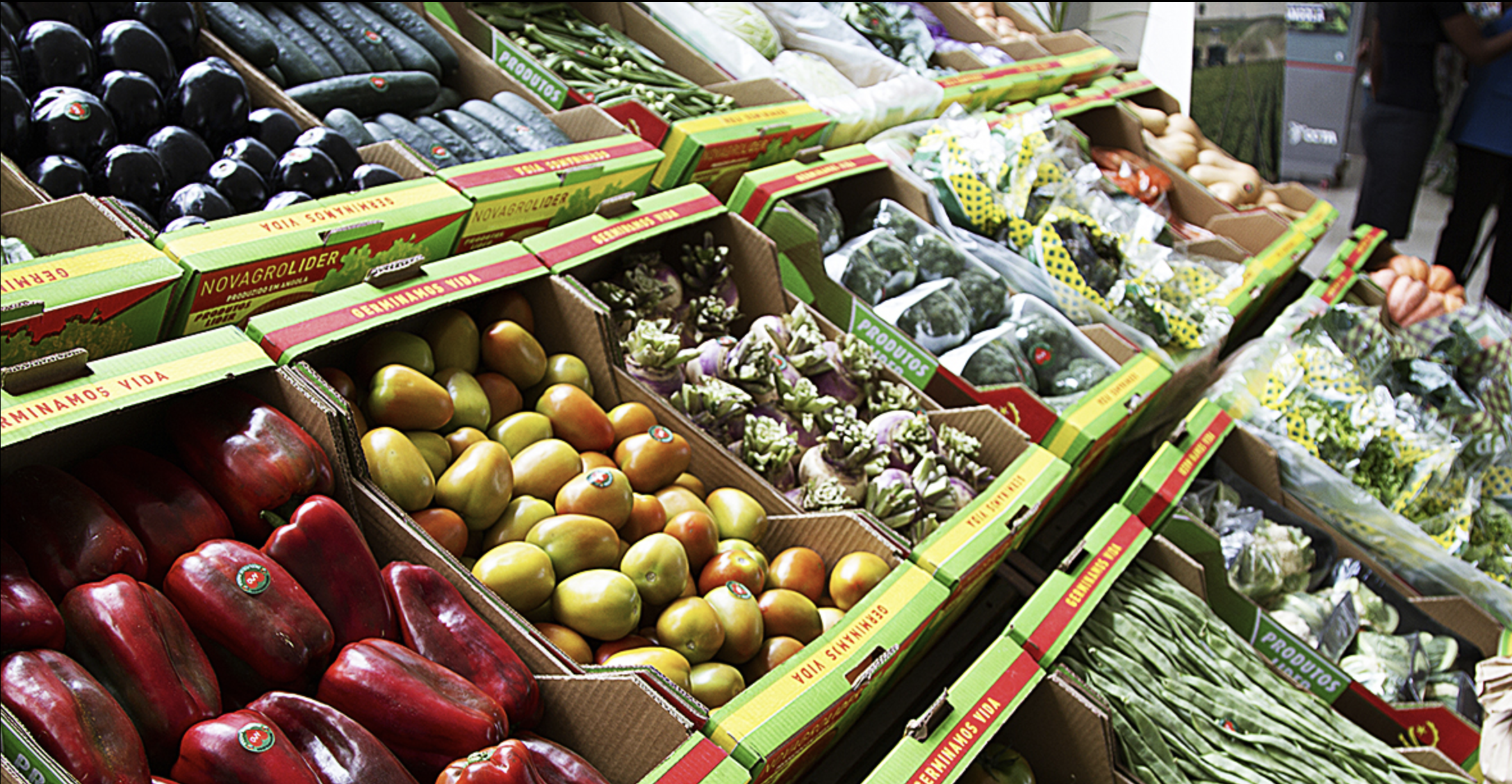
Angola’s agricultural expansion is beginning to reshape the country’s productive landscape. Agricultural output reached 33mn tonnes in the 2025/2026 season, while food imports declined by 31.1 per cent between 2017 and 2025, according to the report.
Production of roots and tubers reached 17.6mn tonnes, while fruit output stood at 7.8mn tonnes, led by bananas, mangoes and citrus fruits.
Food inflation slowed to 9.28 per cent in October 2026, offering some relief to household budgets, although food prices continue to rise.
Expanding productive capacity, alongside investment in irrigation, mechanisation, agricultural financing and logistics infrastructure, could help reduce the country’s structural dependence on food imports.
For an economy historically reliant on oil revenues, competitive import substitution offers an opportunity to preserve foreign exchange reserves, ease demand for dollars and strengthen domestic value chains.
Sustaining these gains will depend on Angola’s ability to translate agricultural expansion into employment, higher household incomes and more affordable food.
Climate vulnerability remains a significant constraint, particularly in rural communities dependent on rain-fed and subsistence agriculture.
Ethiopia: wheat as an instrument of economic independence
Ethiopia reduced its undernourishment rate by 16.5 percentage points, from 36.4 per cent to 19.9 per cent, as irrigated agriculture assumed a more prominent role in the country’s economic strategy.
Wheat production is projected to reach 6.5mn tonnes in the 2025/2026 season, while imports are expected to decline by 24 per cent. Forecasts for 2026/2027 point to output of 7mn tonnes.
The National Wheat Programme, launched in 2019, has become a central component of Ethiopia’s efforts to reduce external dependence, improve agricultural productivity and strengthen food security.
For an economy facing foreign exchange constraints, higher domestic cereal production could free up financial resources for imports of industrial equipment, technology and capital goods.
Senegal: agricultural productivity and competitiveness
Senegal reduced its undernourishment rate from 15.8 per cent to 5.3 per cent, a relative decline of 66.5 per cent, placing it among the continent’s notable food security success stories.
Cereal production is estimated at 2.4mn tonnes for the 2025/2026 season, while rice yields in the Senegal River Valley range between seven and 10 tonnes per hectare.
The country’s 2025–2034 Food Sovereignty Strategy prioritises agricultural modernisation, irrigation expansion and reduced dependence on imported food.
Senegal’s experience illustrates how higher yields, improved infrastructure and more efficient distribution networks can deliver economic and social gains without relying exclusively on the expansion of cultivated land.
Algeria: deploying hydrocarbon wealth to strengthen food security
With an undernourishment rate below 2.5 per cent, compared with 6.1 per cent two decades ago, Algeria has the lowest prevalence among the four countries examined.
Cereal production is projected to reach 5mn tonnes in 2026, the largest harvest since 2019 and approximately 30 per cent above the historical average cited in the report.
Algeria’s strategy seeks to channel hydrocarbon revenues into agricultural development, irrigation infrastructure and domestic cereal production.
Reducing the food import bill could improve the allocation of external revenues and strengthen the economy’s resilience to fluctuations in global oil and natural gas prices.
Africa begins to reverse its hunger trajectory
The 2026 edition of The State of Food Security and Nutrition in the World indicates that Africa’s undernourishment rate declined from 20.3 per cent in 2024 to 20 per cent in 2025, marking an interruption in the deteriorating trend recorded since 2017.
Nevertheless, approximately 309mn Africans remain undernourished, as population growth, climate shocks, armed conflicts and global commodity market volatility continue to constrain food security.
Of the 34 countries examined by AfricaHeadline, 21 recorded improvements compared with 2004–2006, challenging the perception that food insecurity is deteriorating uniformly across the continent.
Food security as a pillar of economic sovereignty
Agriculture represents a strategic opportunity for African economies to reduce external imbalances, expand industrial output, broaden their tax bases and generate employment, particularly among young people.
Sustaining these gains, however, will require closer co-ordination between agricultural, monetary, fiscal, industrial and trade policies.
Access to land, affordable credit, mechanisation, vocational training and efficient logistics must form part of an integrated development strategy.
Higher agricultural output alone does not guarantee improved food security. Household purchasing power, price stability and efficient distribution remain equally important.
The progress recorded by Angola, Ethiopia, Senegal and Algeria illustrates Africa’s potential to reduce its exposure to global food supply shocks, strengthen domestic value chains and reposition itself within the international agricultural economy.
For African policymakers, food security is increasingly a question of economic resilience rather than agricultural policy alone.
Africa’s next development frontier will be its ability to convert agricultural productivity into industrial capacity, employment, household prosperity and greater economic sovereignty.