African Union, IGAD and UN step up diplomatic efforts to stabilise South Sudan
- PoliticsWorld
- November 27, 2026

New joint task force seeks to break the political deadlock, accelerate implementation of the peace agreement and establish conditions for credible elections.
LAGOS — The African Union (AU), the Intergovernmental Authority on Development (IGAD) and the United Nations (UN) have strengthened diplomatic co-ordination on South Sudan through the official launch of a joint task force aimed at preventing further political and security deterioration.
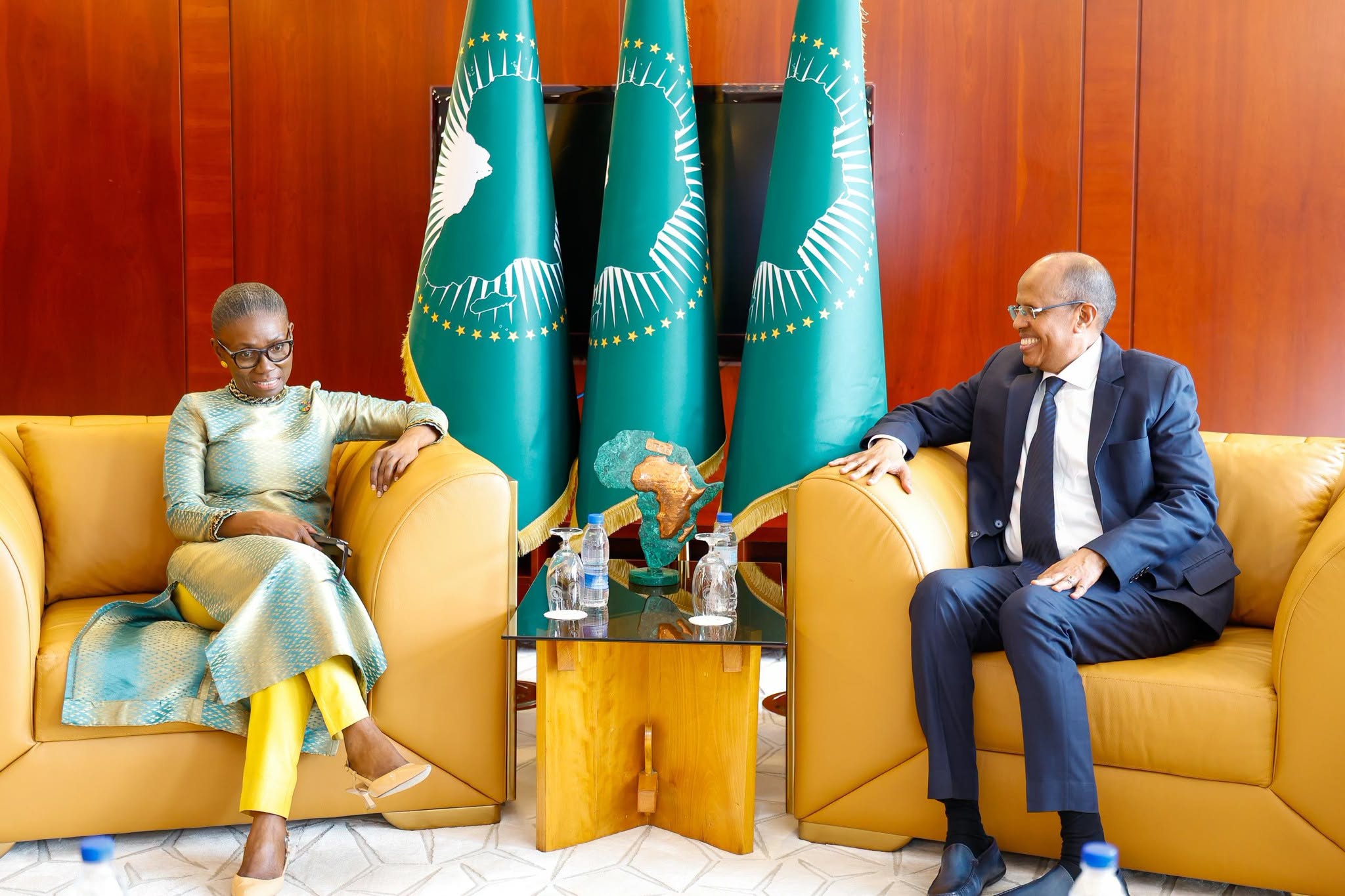
As part of the initiative, African Union Commission Chairperson Mahmoud Ali Youssouf met Anita Kiki Gbeho, Special Representative of the UN Secretary-General and Head of the United Nations Mission in South Sudan (UNMISS), to assess challenges surrounding the country’s political transition.
Youssouf called for a co-ordinated regional and international approach, stressing that credible and peaceful elections must be preceded by a minimum level of political consensus, inclusive dialogue and the resolution of outstanding differences among political stakeholders.
The initiative comes amid institutional fragility, delays in implementing the Revitalised Agreement on the Resolution of the Conflict in South Sudan, signed in September 2018, and persistent political tensions between factions associated with President Salva Kiir and his longstanding rival, Riek Machar.
Since gaining independence in July 2011, South Sudan has faced successive political crises, internal conflicts, population displacement and heavy dependence on oil revenues, undermining democratic consolidation and economic recovery.
Gbeho welcomed the strengthened co-ordination between the three organisations, emphasising that constructive engagement with regional partners was essential to securing the country’s stability.
From a geopolitical perspective, the establishment of the joint task force offers an opportunity to streamline mediation mechanisms, reduce diplomatic fragmentation and strengthen Africa’s institutional capacity for conflict resolution.
South Sudan’s stability also carries significant strategic implications for security across East Africa, the Horn of Africa and the Great Lakes region.
The effectiveness of this emerging diplomatic architecture will, however, depend on its ability to translate political commitments into tangible progress, secure credible security guarantees, rebuild trust among political stakeholders and establish the institutional conditions necessary for legitimate, inclusive and peaceful elections.
For the African Union, the initiative also represents an opportunity to consolidate its leadership in conflict prevention, strengthen regional multilateralism and advance sustainable African-led solutions to the continent’s political and security challenges.