Kenya’s Ruto faces calls for justice as compensation payments precede 2027 elections
- KenyaPolitics
- November 25, 2026
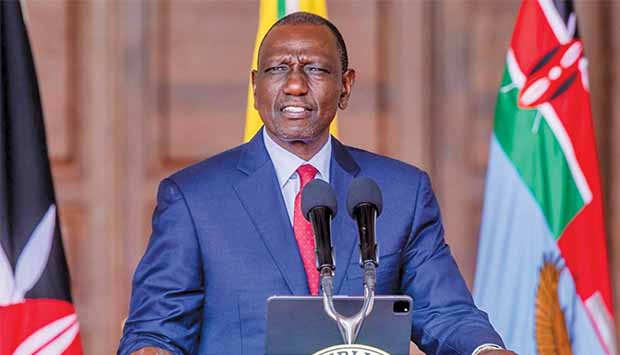

The government has paid more than KSh1.2bn to 1,476 beneficiaries, placing national reconciliation, institutional accountability and youth discontent at the centre of the electoral agenda.
NAIROBI — Kenyan President William Ruto has announced compensation payments exceeding KSh1.2bn (€8.4mn) to victims of human rights violations, families of those killed, police officers and individuals who suffered economic losses during protests.
The announcement, made during his fourth State of the Nation address to parliament, comes less than nine months before the general election scheduled for August 10, 2027, when Ruto is expected to seek a second presidential term.
Updated figures released on November 20 put total compensation at KSh1.218bn, equivalent to 60.9 per cent of the government’s initial KSh2bn allocation.
The 1,476 beneficiaries include 236 families of deceased victims, 214 people with serious injuries, 459 with moderate injuries, 369 with minor injuries, 14 with aggravated injuries, 14 survivors of sexual violence and 170 individuals who suffered economic losses.
“No compensation can restore a lost life or erase the suffering of a family,” Ruto said, emphasising the state’s responsibility to acknowledge harm and provide lawful redress.
From street protests to electoral politics
The compensation programme covers violations committed between 2017 and 2025, including the youth-led demonstrations of June 2024 that forced Ruto to withdraw controversial tax legislation.
The emergence of Generation Z as a politically active constituency has challenged Kenya’s traditional party structures, placing unemployment, corruption, taxation and institutional accountability at the forefront of public debate.
Ruto, who secured 50.49 per cent of the presidential vote in 2022, faces a changing political landscape as opposition figures, including former deputy president Rigathi Gachagua and Kalonzo Musyoka, pursue alternative electoral alliances.
Economic pressures further complicate the political environment. Public debt, fiscal constraints and limited formal employment opportunities continue to fuel demands for more inclusive growth.
Civil society concerns over transparency and accountability also underline the distinction between financial compensation and criminal justice.
For one of East Africa’s leading economies, political stability carries broader implications for regional trade, foreign investment and institutional confidence.
As Kenya approaches the 2027 elections, the credibility of its reconciliation programme will depend not only on compensation payments but also on independent investigations, judicial accountability and the protection of constitutional freedoms.