AfricaHeadline launches ‘Africa in Numbers: The numbers behind food security’
- Central AfricaEast AfricaMagazineNorth AfricaSouthern AfricaWest Africa
- November 25, 2026
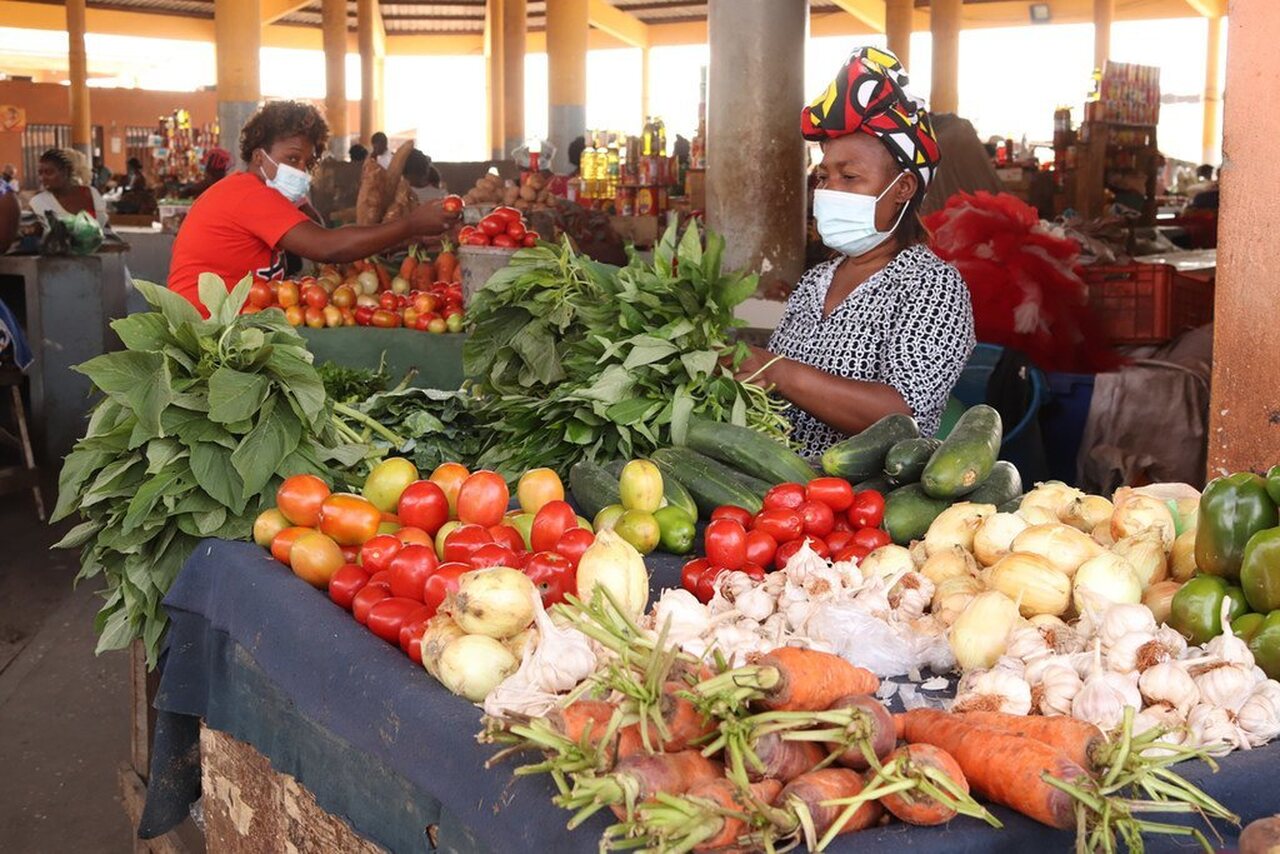

Africa now has more hungry people than any other region, but 21 of 34 countries have cut undernourishment over two decades, according to the latest edition of the ‘Africa in Numbers’ series.
JOHANNESBURG — AfricaHeadline today published ‘Africa in Numbers: The numbers behind food security’, a 37-screen report that brings together the main international indicators on hunger, nutrition and farm output across the continent, drawn from editions released between November 2025 and November 2026.
The central finding is one of scale. About 309mn Africans faced chronic hunger in 2025, one in five people. For the first time the figure overtook Asia’s 292mn, leaving Africa with 48 per cent of the world’s undernourished, up from 28 per cent in 2010.
The report also points to a statistical turning point: the prevalence of hunger on the continent slipped from 20.3 per cent to 20 per cent, the first break in the upward trend since 2017. “Statistical stabilisation does not solve structural vulnerability,” its editorial note warns.
More countries improving than worsening
Unlike most reports on hunger, this one devotes a full section to the countries making progress. Of 34 countries with comparable FAO data, 21 have less undernourishment today than in 2004-06. The share of stunted children fell in 29 of 33 countries between 2012 and 2024.
The report highlights four cases, one per region. Angola recorded the largest reduction in the sample, from 42.9 per cent to 17.4 per cent, alongside a record harvest of about 33mn tonnes in 2025-26. Ethiopia almost halved hunger, from 36.4 per cent to 19.9 per cent, helped by a national irrigated-wheat programme that lifted output to a record 6.5mn tonnes, according to the US Department of Agriculture.
Senegal brought undernourishment down from 15.8 per cent to 5.3 per cent, with rice yields of 7-10 tonnes a hectare in the Senegal River Valley. Algeria, where undernourishment is below 2.5 per cent, expects its biggest cereal harvest since 2019 this year, about 30 per cent above average, according to the FAO.
Each case also flags the challenge that remains: Angola’s dependence on rainfall, rice marketing in Senegal and Algeria’s continued imports of soft wheat and maize.
Concentrated crises, simultaneous shocks
Acute hunger, which requires urgent assistance, affected about 149mn Africans at its 2025 peak, 56 per cent of the global total. Nigeria, DR Congo and Sudan alone account for 82.9mn people, almost a third of the world figure. Sudan was the only African country with confirmed famine in the past 12 months, in El Fasher and Kadugli.
The report identifies three shocks that converged in 2026. The closure of the Strait of Hormuz in February pushed urea prices up by about two-thirds, from $480 to $800 a tonne. Food aid is set to fall 44.5 per cent between 2024 and 2026. And El Niño, active until February 2027, threatens southern Africa’s next harvest.
Behind the shocks lies a long-standing weakness. Cereal yields in Africa average about 1.7 tonnes a hectare, less than half the world average, with roughly 22kg of fertiliser per hectare in sub-Saharan Africa against 139kg globally. The region’s food import bill reached $65bn in 2025.
Five regions, ten economies
The report works through the FAO’s five sub-regions. Central Africa has the highest prevalence of hunger, at 28.9 per cent, and eastern Africa the largest number of undernourished people, 131mn or 42 per cent of the African total. North Africa has the lowest hunger rate, 9.8 per cent, but is the most exposed to world wheat prices.
One screen compares the continent’s ten largest economies, with a combined output of about $2.53tn. Five have undernourishment below 12 per cent, among them Algeria, Ghana and Morocco. Three are above 20 per cent: DR Congo, Kenya and Nigeria. “GDP size is not enough without stability and investment in farming,” the report concludes.
The road to 2035
The report closes with the targets of the Kampala Declaration, in force since January 2026: raise agrifood output by 45 per cent, halve post-harvest losses, triple intra-African agrifood trade and mobilise $100bn of investment by 2035. Today only 33.4 per cent of Africans can afford a healthy diet; the target is 60 per cent.
“The gains are real but fragile,” the Editorial Board writes. The report sets out priorities for governments, central banks, investors and international partners, and a calendar of indicators to watch until mid-2027.