Paul Kagame’s vision for tourism growth
- EconomicRwanda
- October 27, 2024
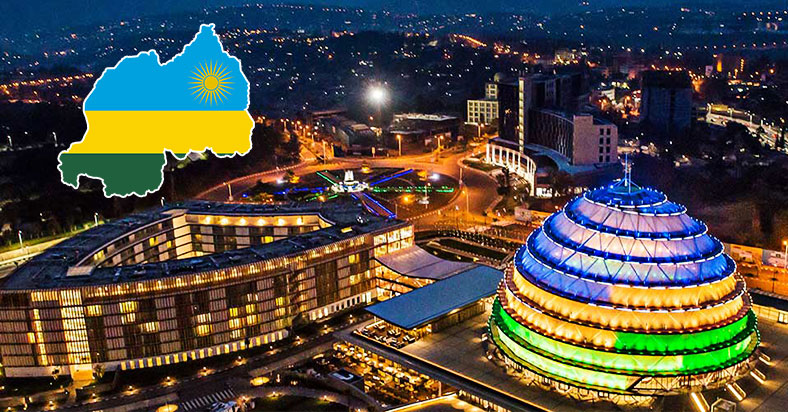

Johannesburg – Rwandan President Paul Kagame has set a bold vision for tourism, positioning the sector as a key driver of economic growth and sustainable development. Under Kagame’s leadership, Rwanda aims to become a premier destination for eco-tourism, business tourism, and cultural experiences, leveraging the country’s natural beauty, wildlife, and strategic reforms.
Kagame’s tourism strategy emphasizes sustainability and conservation. Rwanda is home to about a third of the world’s mountain gorillas, and conservation has been at the core of the government’s tourism efforts.
The revenue-sharing modelbetween the government and local communities has helped preserve biodiversity while providing financial benefits to residents. “We believe tourism must benefit not just the visitors but also the people and environment of our nation,” Kagame said in a recent speech.
Investment and Impact:
Tourism now contributes nearly 10% of Rwanda’s GDP, generating over $600 million annually. In 2023, Rwanda welcomed more than 1.4 million visitors, a 20% increase compared to 2022. The goal is to reach 2 million annual visitors by 2026, supported by investments in infrastructure and services.
The Volcanoes National Park, home to the famed mountain gorillas, stands as the centerpiece of Rwanda’s eco-tourism offering. The government has invested heavily in infrastructure around the park, enhancing visitor experiences with high-end lodges and guided tours. Rwanda’s annual Kwita Izina ceremony, a traditional naming event for newborn gorillas, not only attracts global attention but also showcases the importance of conservation.
Kagame’s administration has doubled down on efforts to expand eco-tourism beyond gorillas. In Akagera National Park, once ravaged by poaching, wildlife populations have rebounded thanks to conservation partnerships. The reintroduction of lions and black rhinos has revived the park’s tourism, making it a model for successful restoration.
Rwanda’s capital, Kigali, is transforming into one of Africa’s leading destinations for business tourism. The city hosts multiple high-profile international conferences, positioning itself as a hub for diplomacy and business events. The construction of the Kigali Convention Centre, with a capacity of 5,000 delegates, has significantly boosted conference tourism.
Investment and Impact:
Conference tourism alone brought in $90 million in 2023, and Kagame’s government aims to increase that figure to $150 million by 2026. Airlines such as RwandAir have expanded their routes to facilitate travel, enhancing the country’s connectivity with major cities worldwide.
Kagame’s tourism vision includes empowering local communities through cultural tourism initiatives. The government promotes cultural villages and heritage sites, allowing visitors to experience the traditions, art, and history of Rwanda. Programs that involve locals as guides and hosts ensure that tourism profits remain within the community.
In the Iby’iwacu Cultural Village, visitors participate in traditional dances, cooking, and crafts, offering them a glimpse into Rwanda’s rich cultural heritage. This approach not only diversifies Rwanda’s tourism products but also creates jobs and economic opportunities at the grassroots level.
Despite the challenges posed by the COVID-19 pandemic, Kagame’s government has steered the tourism sector toward recovery with a clear focus on resilience. Digital innovation, such as the introduction of online booking systems and contactless travel services, has positioned Rwanda as a safe destination in the post-pandemic world.
Looking ahead, Kagame aims to further diversify the tourism sector. Investments are planned to expand sports tourismand develop luxury safari experiences, ensuring that Rwanda remains competitive in the global market. His administration is also working to strengthen partnerships with international stakeholders and promote green tourism initiatives that align with the UN’s Sustainable Development Goals (SDGs).
Paul Kagame’s vision for tourism is grounded in the belief that economic development and environmental conservation can go hand in hand. With a strategic mix of eco-tourism, business tourism, and cultural experiences, Rwanda is positioning itself as a dynamic and sustainable tourism destination.
As Kagame puts it, “Tourism is not just an industry—it’s a platform for sharing our values, preserving our environment, and uplifting our people.” With sustained investments, community involvement, and innovative strategies, Rwanda is on track to become a leader in African tourism, contributing to economic growth and enhancing the nation’s global image.