What BRICS expansion means for Africa
- PoliticsSAUTI
- October 27, 2024
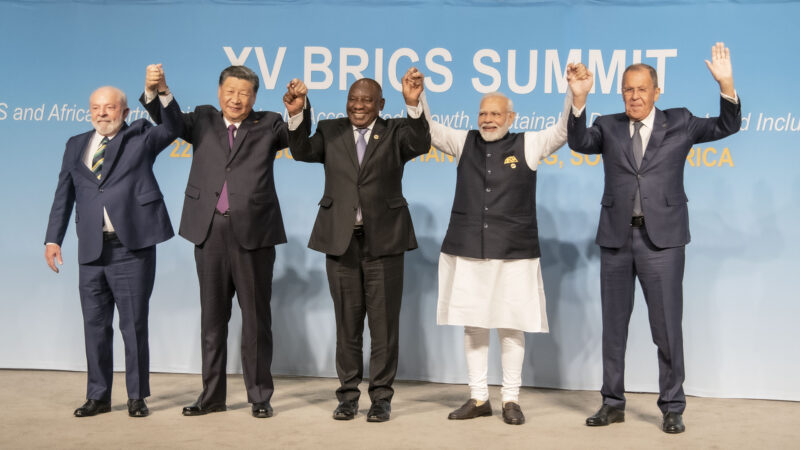

The recent BRICS summit held in Johannesburg marked a pivotal moment for Africa, signaling deeper integration into the global economy and setting the continent on a path toward economic transformation. With Ethiopia, Egypt, and other countries joining BRICS in 2024, the expanded bloc now represents nearly 46% of the world’s population and accounts for about 32% of global GDP, positioning Africa to benefit from this growing influence.
At the heart of the summit was a renewed commitment to infrastructure development across Africa, facilitated by the New Development Bank (NDB). The bank, chaired by Dilma Rousseff, plans to scale investments in infrastructure, energy, and public services in African countries.
The NDB has already pledged $30 billion in development projects over the next five years, with a significant portion earmarked for sustainable development initiatives in Africa..
Impact: These investments aim to bridge infrastructure gaps, enhance transportation networks, and improve access to electricity, contributing directly to economic growth and poverty reduction.
To promote economic independence and resilience, BRICS leaders agreed to push for local currency trade within the bloc. This shift aims to reduce reliance on the US dollar, stabilizing African economies from the impact of exchange rate volatility.
African nations are expected to benefit from improved trade terms and diversified markets, with BRICS members accounting for a 24% share of global trade.
Forecast: Experts anticipate that intra-BRICS trade will grow by 15-20% annually, opening new opportunities for African exporters and manufacturers, particularly in agriculture, textiles, and technology.
A central theme of the summit was the push for United Nations reforms, advocating for Africa’s permanent representation on the Security Council. BRICS’ support for these reforms aligns with Africa’s long-standing demand for greater influence in global governance, reinforcing the continent’s role in shaping the new geopolitical order.
Another optimistic outcome was the creation of the BRICS Youth Council, which will promote knowledge exchange and entrepreneurship among young Africans. This initiative aims to foster innovation and create job opportunities by connecting young talent with resources and networks across the bloc.
Impact: With Africa’s youth making up 60% of the continent’s population, the Youth Council is expected to drive innovation, helping to reduce youth unemployment and boost start-up ecosystems.
BRICS leaders emphasized the importance of green energy projects and sustainable economic policies.
The expansion of renewable energy projects, funded through the NDB, will accelerate Africa’s transition to clean energy. Investments in solar and wind farms across African nations are expected to generate over 10,000 MW of new capacity by 2030, reducing the continent’s carbon footprint and enhancing energy security.
With the outcomes of the latest BRICS summit, Africa is poised for an era of enhanced growth and strategic partnerships. The continent stands to benefit from new investments, trade opportunities, and stronger diplomatic ties, thanks to the expanded BRICS membership.
The focus on infrastructure, local currency trade, and youth empowerment creates a framework for sustainable development, reinforcing Africa’s position as a key player in the evolving global economy.
The message from Johannesburg was clear: BRICS is not just a partnership of nations—it is a partnership for a shared future. Through these collaborations, Africa is set to become a major beneficiary of global economic shifts, building a more inclusive and prosperous tomorrow.