IMF approves $1.2 billion disbursement to Egypt amid economic challenges
- Business and NetworkingEconomicEgypt
- March 12, 2025
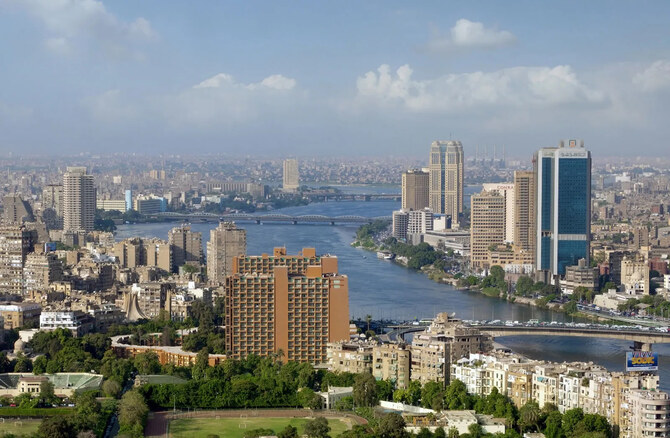

Luanda, Angola – The International Monetary Fund (IMF) announced on Tuesday that it has completed its fourth review of Egypt’s economic reform program, approving a $1.2 billion disbursement for the North African nation.

AfricaHeadline Reports Team
editorial@africaheadline.com
In a statement, the IMF said that the review was finalized on Monday, allowing Egyptian authorities to access the funds immediately. Additionally, the IMF’s executive board granted Egypt’s request for an arrangement under the Resilience and Sustainability Facility, providing access to an extra $1.3 billion.
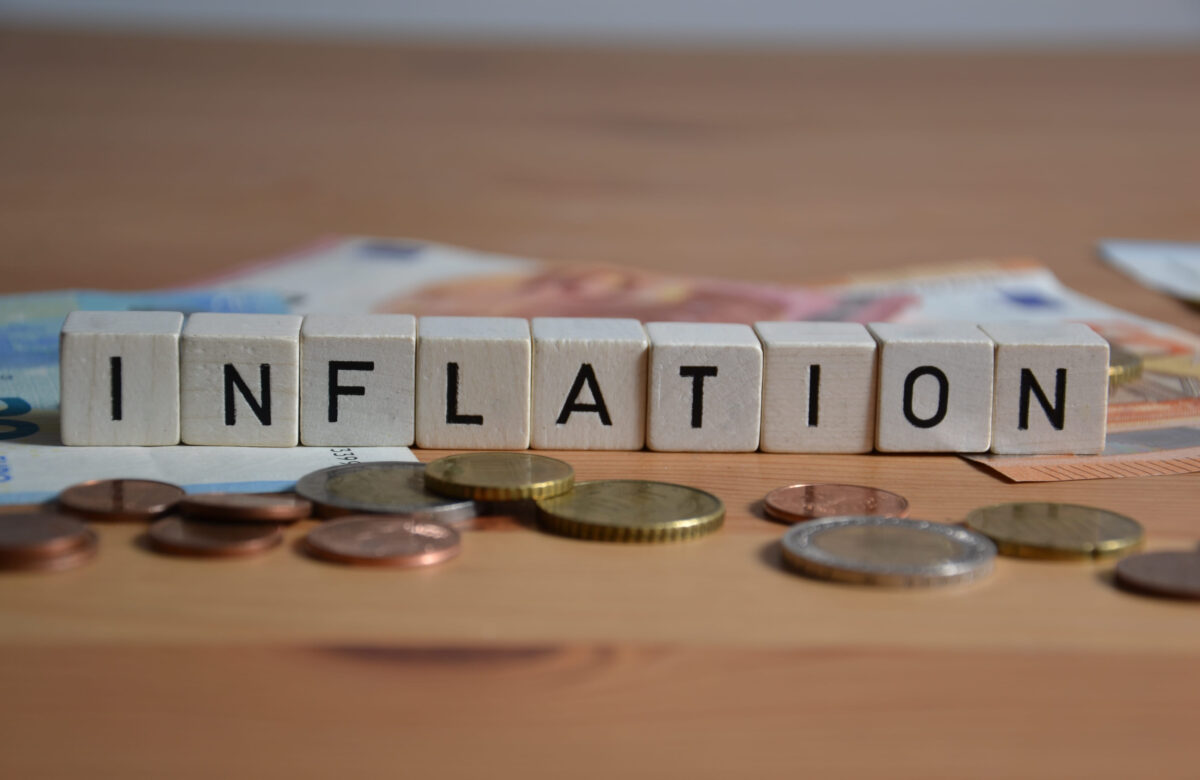
Egypt has been grappling with a worsening economic crisis, marked by soaring inflation and a depreciating currency. Inflation surged to 30.6% year-on-year in January 2024, continuing an upward trajectory that has driven up the cost of essential goods and services. The Egyptian pound has lost nearly 50% of its value against the US dollar since early 2022, exacerbating economic hardships for millions.
The government has sought to cushion the impact on households through wage increases. In February, Finance Minister Ahmed Kouchouk announced that the minimum monthly wage for public sector workers will rise to EGP 7,000 ($138) from EGP 6,000 ($118.58) in July 2024. This aligns with a previous increase in the private sector, which took effect on March 1. The measure is part of a broader social protection initiative aimed at mitigating the economic strain on low-income citizens.
Fuel prices have also surged, adding pressure to household budgets. In October 2023, Egypt raised fuel prices between 10% and 17%, pushing the cost of a liter of diesel from 11.5 pounds ($0.23) to 13.5 pounds ($0.25), while 92-octane gasoline rose from 13.75 pounds ($0.28) to 15.25 pounds ($0.31). The government has cited fiscal constraints and IMF-mandated subsidy reforms as the primary drivers behind the price hikes.
Egypt’s engagement with the IMF has intensified in recent years amid ongoing fiscal challenges. In March 2024, Egypt finalized an agreement to expand its bailout program to $8 billion, nearly doubling the original package. The additional funding aims to support economic stabilization efforts and address pressing liquidity concerns.
Despite these measures, economic pressures persist, with food prices up 64% year-on-year and a widening fiscal deficit. Analysts warn that Egypt’s economic outlook remains uncertain, with further currency devaluations and subsidy cuts expected as the government navigates IMF-backed reforms.