Egypt eyes recovery amid IMF reforms
- EconomicEgypt
- October 26, 2024
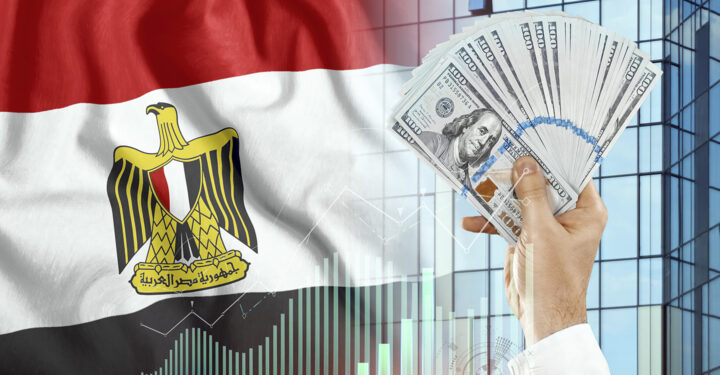

Egypt’s economy is on track for gradual recovery, despite headwinds from regional tensions and fiscal pressures. Economic growth for the fiscal year 2024/25 is now forecasted at 2.5%, down from earlier estimates of 4.2% due to sluggish industrial activity, disruptions in the Suez Canal, and inflationary pressures. However, with steady IMF-backed reforms and strategic investments, the outlook remains cautiously optimistic, with GDP growth projected to rise to 3.5% in 2025/26 and 4.7% in subsequent years
The Egyptian economy faces multiple challenges, including a volatile exchange rate, weakened gas extraction, and declining shipping activity due to regional instability.
The conflict in Gaza and disruptions in the Red Sea maritime routes have reduced tourism revenues and Suez Canal receipts. In the 2023/24 fiscal year, canal revenues fell from $9.4 billion to $7.2 billion, impacting Egypt’s foreign exchange reserves.
Inflation remains a pressing issue, with annual inflation soaring to 26.4% in September 2024. However, the Central Bank of Egypt’s currency reforms are expected to stabilize prices, bringing inflation down to 17.2% by the end of 2025.
Egypt’s partnership with the IMF has ushered in crucial reforms aimed at economic stabilization. The IMF program includes fiscal consolidation measures, currency liberalization, and investment incentives, which have been instrumental in securing foreign investments. A key highlight is the $12 billion agreement with the UAE’s ADQ sovereign wealth fund, aimed at real estate development along Egypt’s Mediterranean coast, expected to boost fiscal revenues and attract more tourism.
Egypt’s fiscal deficit is projected to shrink to 3.6% of GDP in 2024/25, a significant improvement from 6% in the previous year. The consolidation was aided by an extraordinary fiscal boost from the Ras El-Hekma real estate deal, offsetting higher borrowing costs and limited tax revenue. However, challenges remain, with the current account deficit expected to widen to 5.3% of GDP in the near term, driven by increased non-oil imports and subdued oil exports.
On the social front, the government aims to channel fiscal savings toward programs that support low-income families and drive job creation. Recovery in tourism and real estate will likely provide a further boost to employment and income levels. Despite ongoing constraints, the economy is set to benefit from improved investor sentiment as macroeconomic stability gains traction.
While Egypt’s road to recovery is not without obstacles, the country is laying the groundwork for long-term stability. IMF-backed reforms, strategic investments, and efforts to diversify the economy are beginning to show promise. If regional tensions subside, tourism and shipping revenues are expected to rebound, providing much-needed relief to foreign exchange reserves.
With sound policies and careful execution, Egypt could emerge from its current challenges stronger, poised for sustainable growth and improved living standards.