New fuel price hike in Nigeria deepens economic crisis
- EconomicNigeria
- October 10, 2024
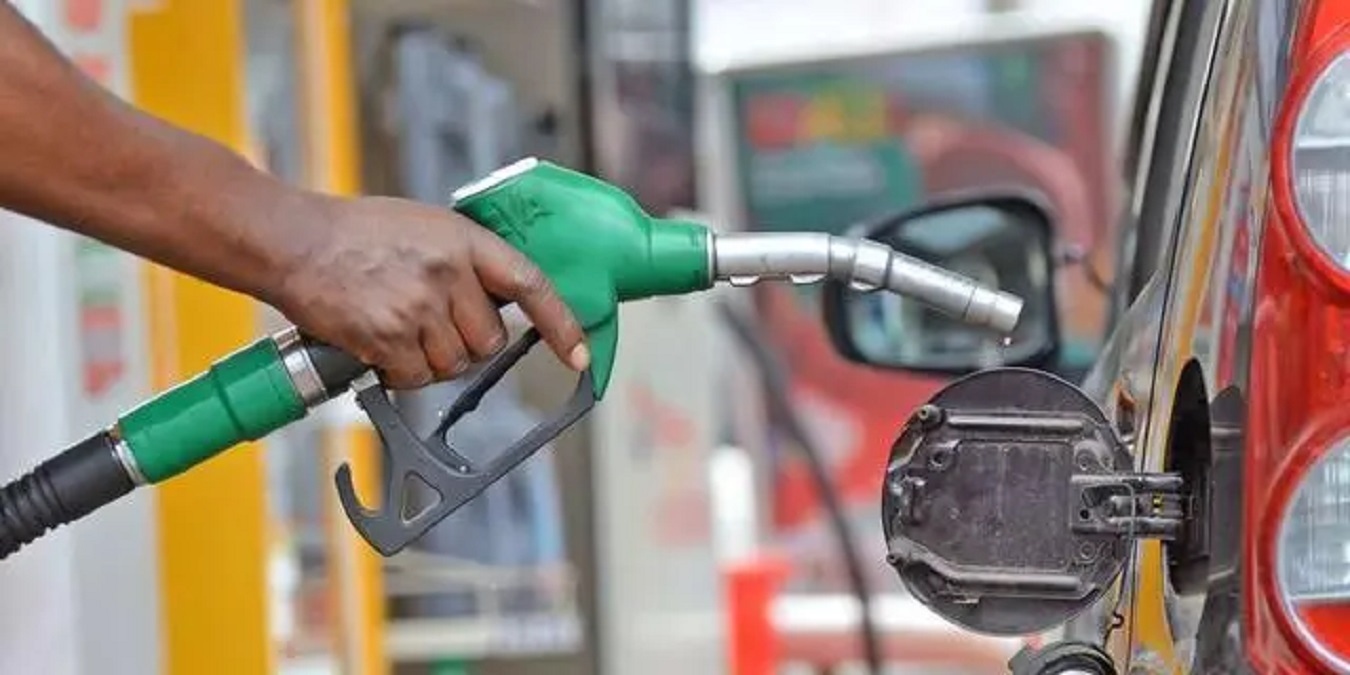

Nigeria is facing another wave of anguish following the third fuel price increase in just two months. The Nigerian National Petroleum Company Limited (NNPCL) raised the price of petrol (PMS) to N1,030 per liter in Abuja and N998 per liter in Lagos, a 15% increase, according to industry sources. This hike is linked to the full deregulation of the sector and the removal of subsidies, a measure the government implemented to cut expenses.
Since President Bola Tinubu took office in May 2023, the price of fuel has surged by over 411%, jumping from N195 to the current levels. This latest increase sets fuel prices at unprecedented levels in the country, dashing initial hopes that the government’s oil-for-naira deal with Dangote Refinery would stabilize or even reduce prices from October 2024. However, the reality has been starkly different, with pump prices reaching as high as N1,150 per liter in some areas, particularly among independent marketers.
This sudden price surge reflects the broader changes in the energy sector since subsidies were eliminated at the beginning of Tinubu’s tenure, directly impacting Nigerians’ cost of living. Comparatively, at the start of 2023, the price per liter was N195, rising to N448 in May 2024 and N557 in September. Now, in October 2024, prices have soared past the N1,000 per liter mark in various parts of the country, an unprecedented situation that has left many citizens shocked and without clear answers on how to navigate this new economic reality. The ongoing hikes are affecting not only motorists but also key sectors reliant on fuel, with serious implications for transport costs, goods, and the overall economy.
This context of rising prices is accompanied by growing inflation and the devaluation of the Nigerian naira, exacerbating the impact on citizens, particularly the most vulnerable. The government’s response to mitigate the effects of this crisis remains uncertain, while the population bears the brunt of an economic situation that, for now, seems far from being resolved.