Angola’s Agricultural Boom: A 12% Surge in Production Drives Economic Growth and Reduces Import Dependency
- AngolaEconomicSouthern Africa
- September 18, 2024

Angola’s economy is demonstrating tangible growth, with the agricultural sector leading the charge in 2024.
According to recent government data, agricultural production has increased by 12% in the last year, while food imports have decreased by 20%.

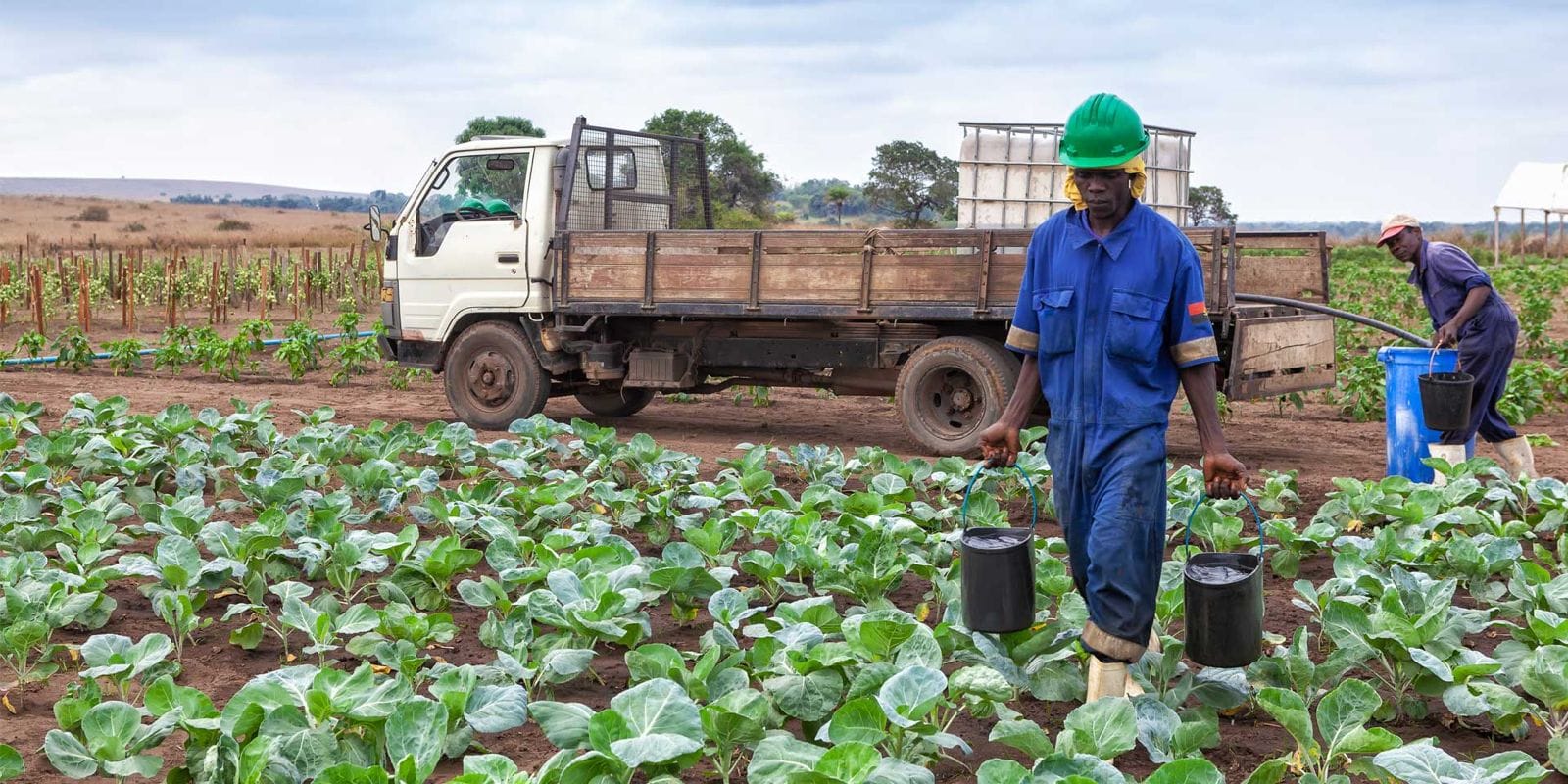
This shift is attributed to the government’s proactive measures, including the expansion of irrigation systems and the adoption of modern farming techniques across 8,000 hectares of farmland, predominantly in the provinces of Huíla, Bié, and Malanje.
As part of the “Made in Angola” initiative, over 500,000 smallholder farmers have received support through subsidies and training, allowing them to scale up production.
Maize output alone has seen a 15% rise, while bean production has surged by 18%, significantly reducing the need for these staples to be imported.
This growth has already saved Angola $300 million in food imports over the past year, a remarkable achievement in the country’s quest for economic self-sufficiency.
“We are witnessing a transformation in Angola’s agricultural sector,” said João Carlos, a local farmer from Huíla. “With the new techniques and government support, we are now producing enough not just for our families but for local markets.
This has been a game-changer for us.”
Looking forward, the Angolan Ministry of Agriculture expects agricultural exports to grow by 25% by 2026, particularly in cash crops such as coffee and cassava, with partnerships being explored with neighboring countries for regional trade. Moreover, this agricultural boom is projected to contribute an additional 1.5% to the national GDP by 2025.
“The numbers don’t lie,” remarked Maria José, an economist at the Ministry of Finance. “We are not only reducing our dependency on imports but also creating thousands of jobs and lifting rural communities out of poverty.
The agricultural sector is set to become a backbone of Angola’s economy, positioning us for a brighter, more self-reliant future.”