Agostinho Neto: Remembering the man who proclaimed Angola’s independence
- Angola
- September 17, 2026
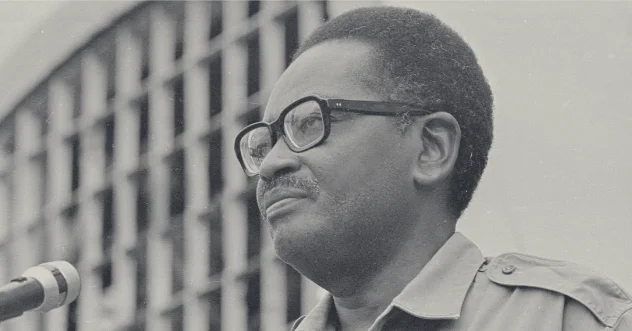

LUANDA — Angola marks National Hero’s Day today, commemorating the birth of António Agostinho Neto, the country’s first president and one of the central figures in its struggle for independence from Portuguese colonial rule.
Born in 1922 in Icolo e Bengo, Neto pursued a career that combined medicine, literature and politics. He studied medicine in Portugal and became known as a poet at a time when African nationalism was gaining momentum and opposition to Portuguese colonial rule was intensifying.
His rise to the leadership of the Popular Movement for the Liberation of Angola (MPLA) placed him at the centre of the independence struggle. Following Portugal’s 1974 Carnation Revolution, Neto became a key figure in the political process that led to independence, amid deep divisions between Angola’s rival nationalist movements.
On Nov. 11, 1975, Neto proclaimed Angola’s independence and became president of the newly established People’s Republic of Angola. But independence did not bring peace. Fighting between the MPLA, the National Front for the Liberation of Angola (FNLA) and UNITA quickly became internationalised, turning Angola into one of Africa’s major Cold War battlegrounds.
Neto’s presidency was defined by the construction of the institutions of the new state, the adoption of a socialist political orientation and closer ties with the Soviet Union and Cuba. Cuban military support played a significant role in helping the Luanda government withstand armed opposition during the early years of independence.
His years in power, however, are also associated with one of the most controversial episodes in Angola’s modern history: the May 27, 1977 uprising and the subsequent repression. Thousands of people are believed to have been killed, although estimates of the death toll vary and remain the subject of historical research and debate.
Neto died in Moscow on Sept. 10, 1979, aged 56, leaving behind a country still at war.
Nearly five decades after independence, his legacy remains complex: nationalist leader, first president, poet and central figure in one of the most consequential and contested periods in Angola’s state-building history.
National Hero’s Day therefore serves not only as a commemoration of Neto’s life, but also as an opportunity to revisit the history of Angola’s independence and the forces that shaped the modern Angolan state.