West and Central Africa Battle Devastating Floods, Aid Needed
- Central AfricaWest Africa
- September 18, 2024
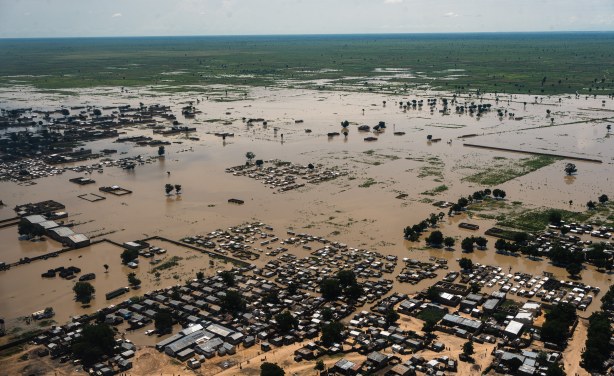

Heavy rains have caused massive flooding and devastation across several cities and towns across West and Central Africa, impacting millions of people. The floods have triggered humanitarian crises in Nigeria, Cameroon, Niger, Chad, Mali, Ghana, and Liberia, affecting an estimated four million people, the majority of whom are children.
Over a million people have been impacted in Borno State, northeastern Nigeria. In Chad, torrential rains since July have affected nearly 1.5 million people, with 145 deaths reported and around 70,000 homes destroyed, according to the government. In Niger, more than 137,000 people have been displaced by flooding since August, with nearly 100 deaths recorded. Mali’s transitional government has declared a state of natural disaster to bolster national food security and provide support to families affected by the floods.
The United Nations warns that more flooding is expected in the two sub-regions in the coming months. The United Nations Children’s Fund (UNICEF) estimates that $6 million must be allocated in emergency funds to support flood-affected children and their families in West and Central Africa.