Africa seeks to turn AfCFTA into a platform for industrialisation and investment
- EconomicEgypt
- October 4, 2026

El-Sisi calls for deeper economic integration, stronger African value chains and greater mobilisation of capital to reduce the continent’s dependence on raw-material exports and accelerate industrial growth.
NEW ALAMEIN — Africa’s next economic challenge is no longer defining the case for integration, but converting it into industrial capacity, regional supply chains and investment returns capable of keeping a larger share of the continent’s wealth within Africa.
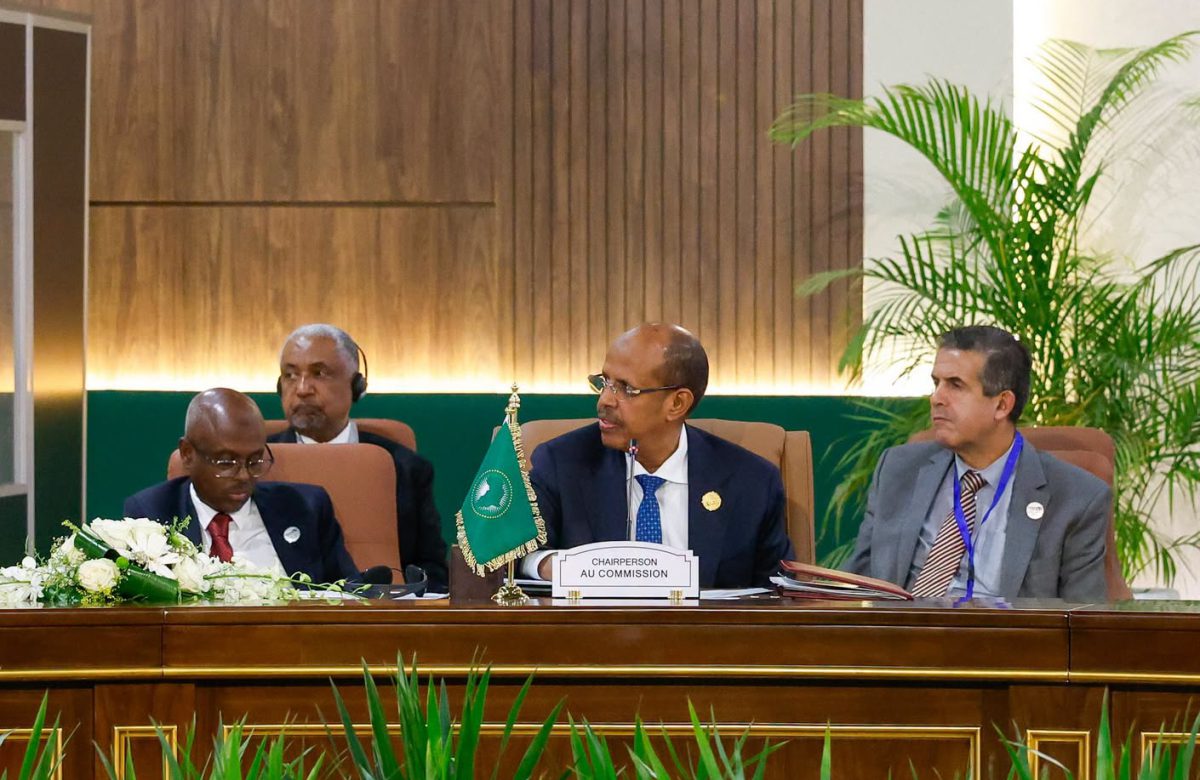
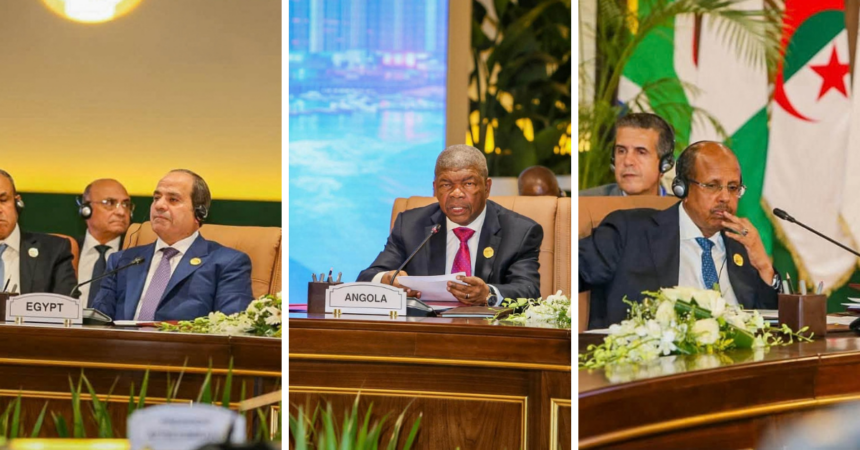
Egyptian President Abdel Fattah El-Sisi made that case at the eighth African Union Mid-Year Coordination Meeting in New Alamein on Sunday, arguing that Africa cannot remain primarily an exporter of raw materials while importing higher-value finished products.
“The continent that possesses these resources, wealth, and human potential should not remain a mere source of raw materials,” El-Sisi said, calling for integrated African value chains, stronger manufacturing capacity and deeper economic integration.
The argument exposes one of Africa’s central structural weaknesses: the continent has abundant natural resources, a rapidly expanding consumer market and a young workforce, but much of the value generated from commodities is captured outside its borders.
The economic opportunity therefore lies not simply in exporting more, but in processing more at home, from minerals and agricultural products to energy and manufactured goods. That shift could support industrialisation, technology transfer, productivity and higher-quality employment.
AfCFTA faces its execution test
El-Sisi called for the full implementation of the African Continental Free Trade Area (AfCFTA), which he said could increase intra-African trade, support industrialisation and create a genuine continental market.
The challenge is implementation, tariff reductions alone cannot create competitive regional value chains if manufacturers continue to face high logistics costs, fragmented regulations, unreliable infrastructure, limited access to finance and barriers to cross-border payments.
For investors, the question is increasingly whether African markets can achieve sufficient scale and policy predictability to justify long-term capital expenditure.
This makes AfCFTA more than a trade agreement. It is potentially an industrial policy framework capable of linking African producers to consumers across national borders.
Mobilising African capital
The transformation will also depend on whether Africa can mobilise a larger share of its own financial resources.
African banks, pension funds, sovereign wealth funds, development finance institutions and private investors represent an important pool of capital for infrastructure and industrial projects. Greater domestic participation could reduce dependence on external financing while keeping more investment returns within the continent.
Egypt’s decision to establish the Alamein Africa Business Forum reflects this broader effort to connect governments, investors and financial institutions around commercially viable projects.
The test will be whether these platforms generate bankable projects rather than another layer of declarations and investment pledges.
Water, conflict and economic security
El-Sisi also linked economic integration to Africa’s wider security architecture, including conflict recovery and the management of shared natural resources.
He argued that transboundary rivers should be managed through international law, consultation, good-neighbourly relations and the principle of avoiding harm to other states.
For Egypt, water security carries particular strategic importance because of its dependence on the Nile. Across Africa, however, water is increasingly connected to agriculture, energy generation, food security and urban development.
Post-conflict reconstruction presents another economic dimension. El-Sisi cited New Alamein, once associated with a major Second World War battlefield, as an example of how areas marked by conflict can eventually become centres of investment, construction and tourism.
The real measure of integration
Economic integration can also strengthen stability by increasing commercial interdependence and turning borders into channels for trade and investment rather than barriers.
But the decisive test will be execution.
Africa does not lack strategies, agreements or natural resources. Its challenge is to convert them into factories, infrastructure, regional supply chains, jobs and competitive businesses at scale.
For AfCFTA, the ultimate measure of success will therefore not be the number of agreements signed, but whether integration changes where products are made, where capital is invested and where economic value is captured.
That is the transition from political integration to economic transformation, and it will require capital, infrastructure, predictable regulation and, above all, execution.