Africa seeks to turn ambition into investment at Alamein Forum
- Politics
- October 4, 2026
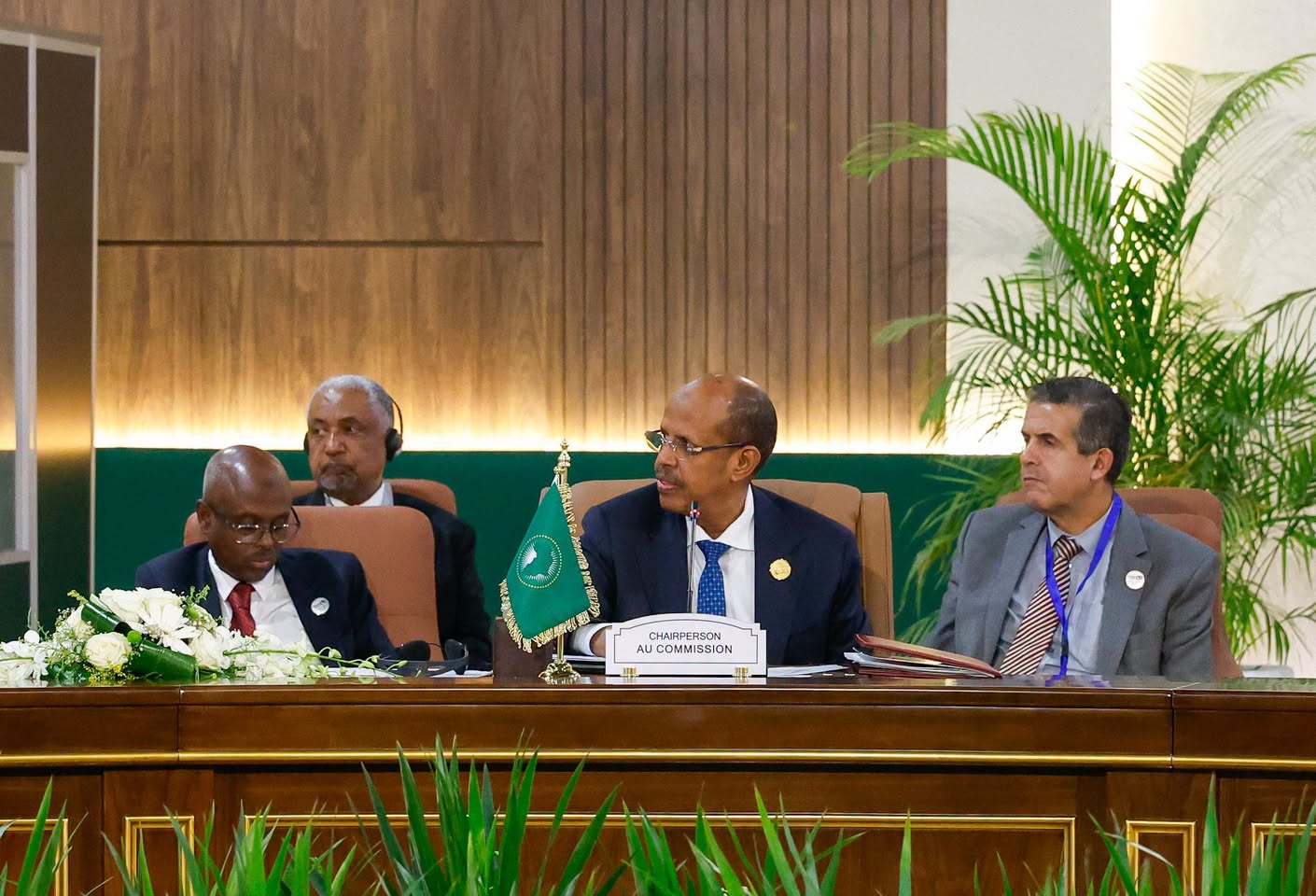

Alamein — Africa needs to accelerate the shift from political strategies and declarations towards the implementation of projects capable of generating investment, jobs and sustainable growth, participants at the Alamein Forum in Egypt said.
The meeting focused on governance, infrastructure financing, private-sector participation, market integration and the economic potential of Africa’s young population, in line with the African Union’s Agenda 2063.
According to discussions at the forum, Africa requires around $37 billion a year to address its infrastructure needs, while available financing remains insufficient. Mobilising private capital is therefore seen as critical to reducing reliance on public resources.
Participants also called for greater African ownership of strategic projects, arguing that a larger share of the value generated by the continent’s economic transformation should remain in Africa. Large-scale initiatives by businesses such as Nigeria’s Dangote Group were cited as examples of the continent’s capacity to mobilise capital and entrepreneurial expertise.
Alamein was presented as an example of urban and economic transformation, combining infrastructure, tourism and business activity. The city illustrates how coordinated investment can create new platforms for economic growth.
Economic integration remains a major challenge. The implementation of the African Continental Free Trade Area (AfCFTA) requires greater regulatory harmonisation and fewer barriers to cross-border trade and investment.
Youth were also identified as a strategic economic asset, particularly in artificial intelligence, robotics, agriculture, finance and the digital economy. Access to finance, skills development and intellectual property protection will be critical to turning innovation into sustainable businesses.
The forum ultimately called for a shift in focus: Africa must move from announced projects to financed and implemented projects, supported by credible feasibility studies, public-private partnerships and stronger institutional transparency.
Africa’s economic transformation will depend less on new declarations and more on its ability to convert political vision into investment, infrastructure, businesses, jobs and integrated markets.