AU and AfDB Push for New Financing Architecture to Accelerate Africa’s Investment Agenda
- Politics
- October 5, 2026
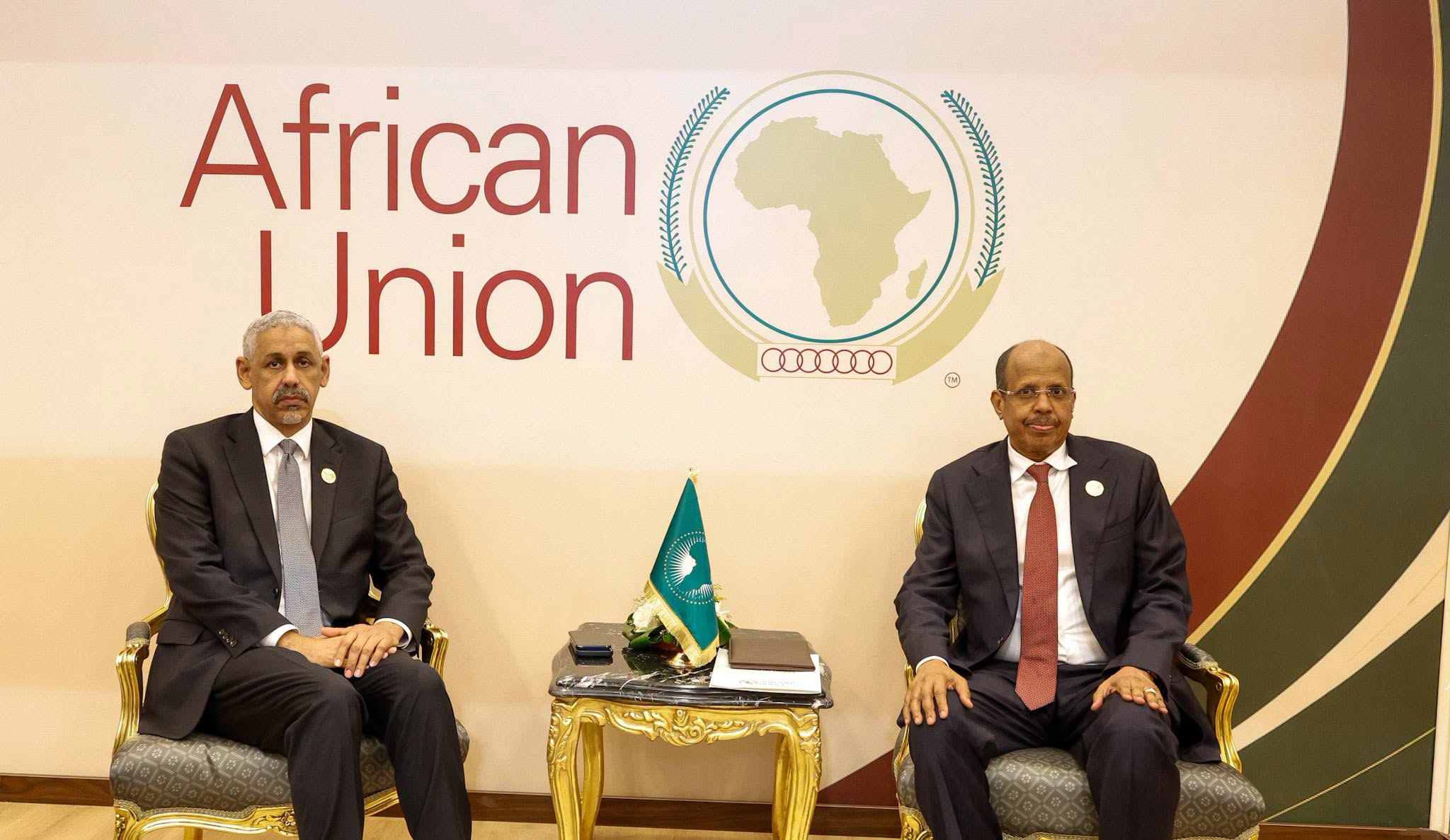

EL-ALAMEIN — The African Union and the African Development Bank are seeking to deepen cooperation to mobilise capital at greater scale, lower financing costs and accelerate strategic investment across the continent, as Africa faces an estimated annual development financing gap of about $400 billion.
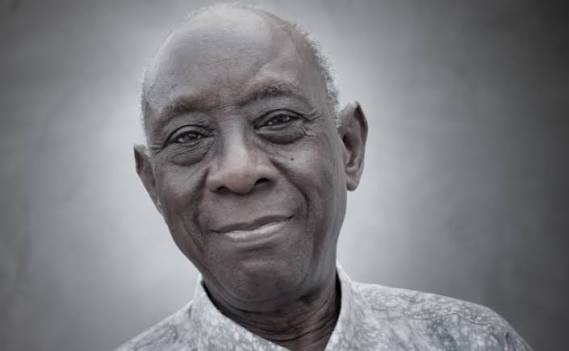
The issue was central to talks between Mahmoud Ali Youssouf, Chairperson of the African Union Commission, and Sidi Ould Tah, President of the African Development Bank Group, on the sidelines of the eighth AU Mid-Year Coordination Meeting in El-Alamein on October 4.
The discussions come as the AfDB seeks to strengthen its role as a catalyst for private and institutional capital, rather than relying primarily on its own balance sheet. Africa holds more than $4 trillion in domestic savings and assets, according to the bank, but much of that capital remains outside productive long-term investment.
A key component of the strategy is the New African Financial Architecture for Development (NAFAD), endorsed by African leaders in February and reinforced through the Abidjan Consensus in April. The framework seeks to expand guarantees, risk-sharing instruments and project-preparation mechanisms to reduce risk premiums and make African infrastructure and industrial projects more attractive to investors.
The AfDB has also strengthened concessional financing through the 17th replenishment of the African Development Fund, backed by contributions from 44 development partners. The Oil Fund for International Development and BADEA have separately committed up to $2 billion and $800 million, respectively, in co-financing for projects during 2026–2028.
For the AU, the challenge is now to convert financing commitments into investable projects in energy, transport, agriculture, manufacturing, digital infrastructure and regional integration.
The El-Alamein discussions point to a broader shift in Africa’s development strategy: using public and multilateral capital not simply to finance projects directly, but to de-risk investment, crowd in private capital and reduce the cost of financing Africa’s structural transformation.