Dangote’s $16bn Kenya refinery faces political challenge over local ownership
- In a Nutshell
- October 11, 2026

Presidential hopeful Patrick Osoi threatens to reverse the project, raising questions about domestic capital, energy security and the economics of African industrialisation.
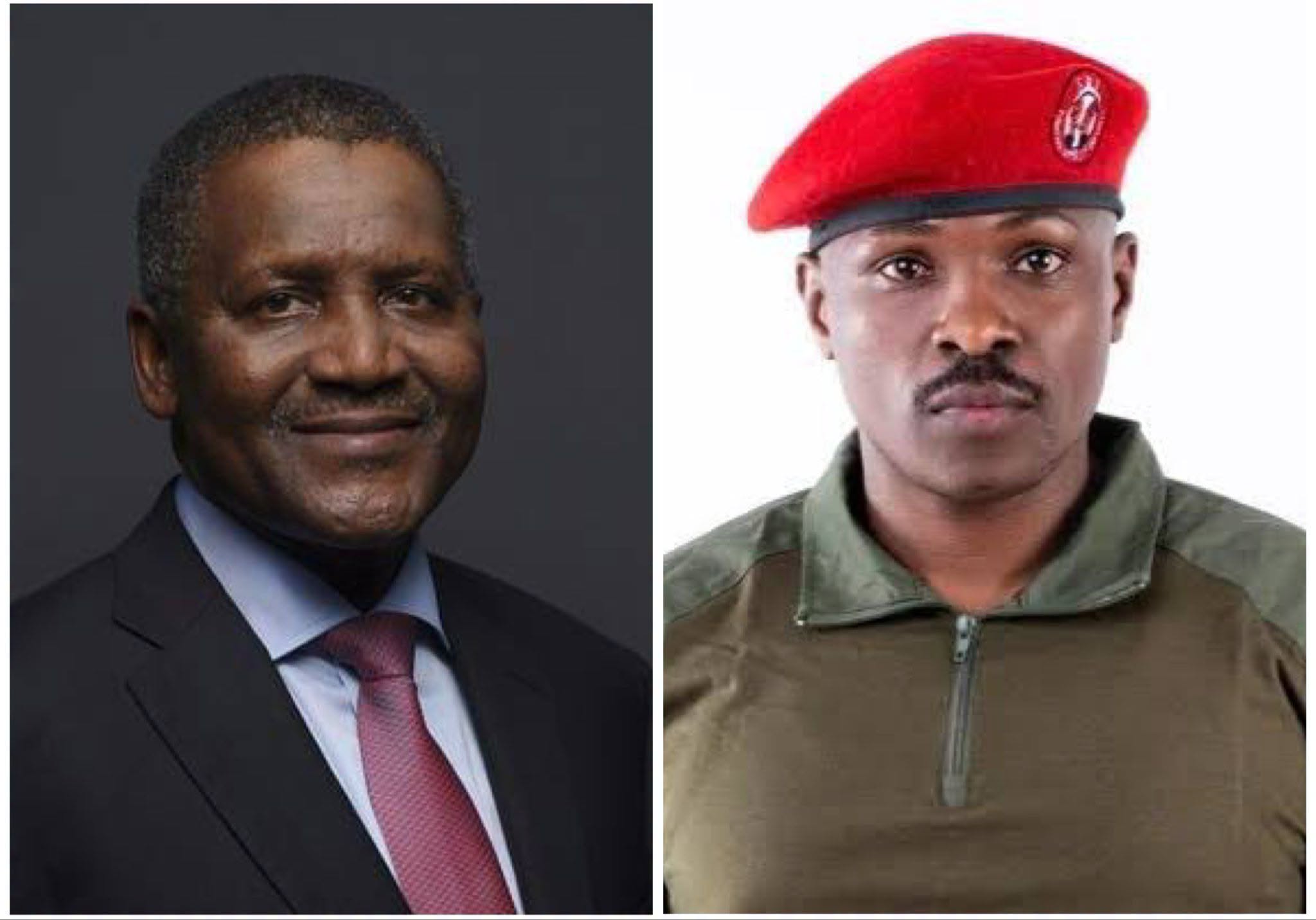
NAIROBI — Aliko Dangote’s proposed $16bn oil refinery in Kenya has become a political flashpoint ahead of the 2027 presidential election. Patrick Osoi, a presidential hopeful, has warned the Nigerian billionaire against rushing into the project, threatening to send him back to Nigeria if elected.
Osoi argues that Kenyan businesses can develop the country’s refining capacity without relying on a foreign investor. But his proposal raises a fundamental question: can domestic capital finance an industrial project of this scale, and at what cost?
A regional industrial bet
Planned for Lamu on Kenya’s Indian Ocean coast, the refinery is designed to process up to 700,000 barrels of crude oil a day. The proposed complex will include petrochemical facilities and a 1,000-megawatt power plant.
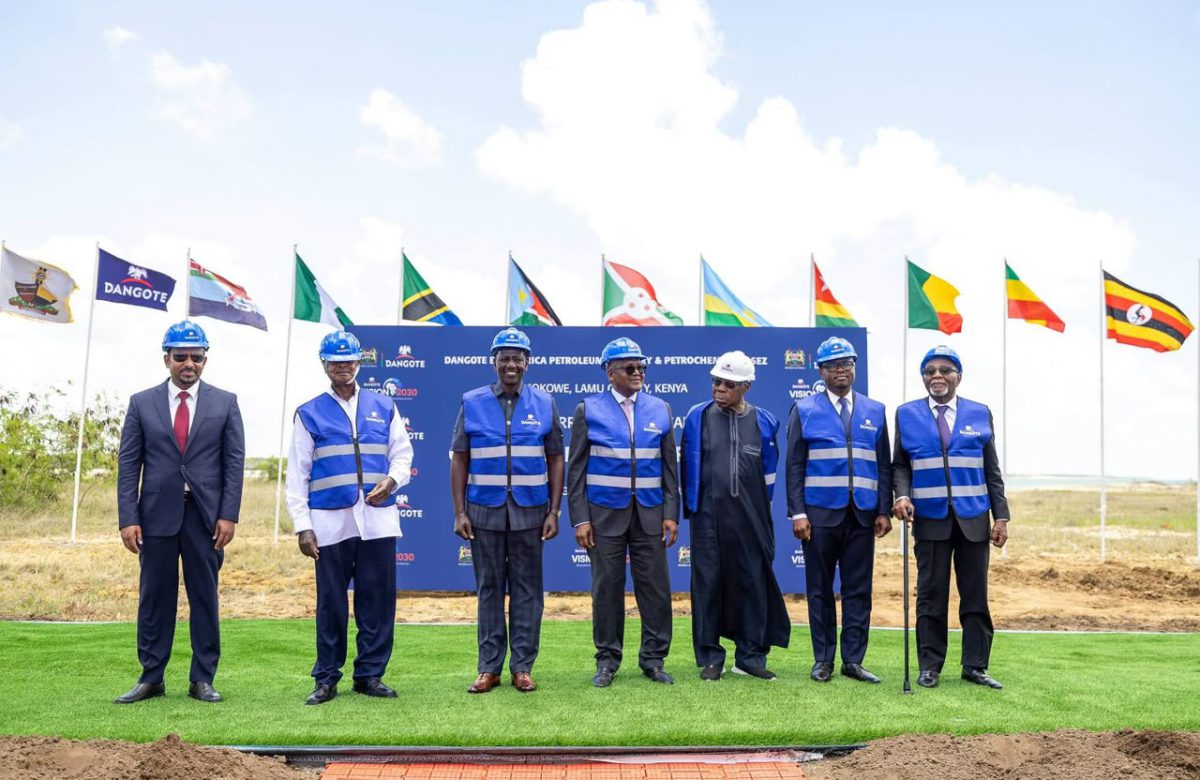
The $16bn investment could reduce dependence on imported refined fuels, support manufacturing and supply neighbouring East African markets. Projections point to as many as 60,000 direct and indirect jobs, although the eventual benefits will depend on financing, construction and commercial performance. The project’s groundbreaking ceremony took place on September 30, with completion targeted in approximately 40 months.
The ownership question
Osoi’s position reflects a wider debate over economic sovereignty: how African countries can mobilise domestic wealth to finance strategic infrastructure while retaining more economic value locally.
Yet the Kenyan market offers a contrasting development. On October 5, the Capital Markets Authority approved a mechanism allowing eligible Kenyan investors to participate in the initial public offering of Dangote’s existing Nigerian refinery through global depository receipts. The regulator explicitly clarified that the offer does not cover the proposed Lamu project.
The distinction matters. Rather than excluding foreign capital, Kenya could seek greater local participation through equity ownership, employment, supplier contracts and technology transfer.
The Lamu project also faces legal challenges concerning land and transparency. These proceedings require scrutiny but do not, by themselves, establish wrongdoing.
For Osoi, replacing Dangote would require a credible alternative financing plan. For President William Ruto, the challenge is to demonstrate that the project can deliver lasting economic benefits.
The central question is not simply who builds the refinery, but whether Kenya can turn a $16bn investment into competitive industrial capacity while protecting public interests and expanding domestic participation.
AfricaHeadline | Africa Business & Economic Intelligence