Egypt holds rates high as record remittances strengthen external buffers
- Economic
- August 31, 2026

Central bank resists rate cuts despite rising reserves, as inflation, debt and regional risks continue to limit room for manoeuvre
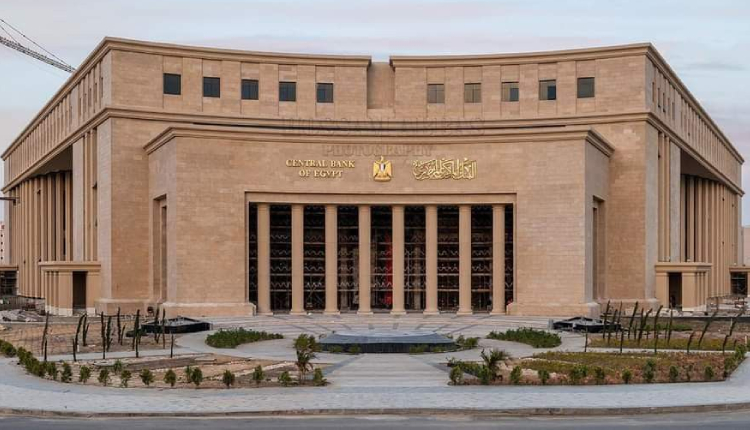
CAIRO — The Central Bank of Egypt kept interest rates unchanged, resisting the temptation to ease monetary policy after remittances from Egyptians working abroad reached a record high. The decision highlights the delicate balance between a stronger external position and inflationary pressures that continue to constrain policymakers.
The overnight deposit rate remains at 19%, the overnight lending rate at 20%, and the main operation rate at 19.5%. The discount rate was also held at 19.5%, according to the central bank’s August 20 statement.
The pause suggests that the rate-cutting cycle will have to wait for clearer evidence of disinflation. Although consumer prices were unchanged in July from the previous month, annual urban inflation rose to 14.9%, from 14.3% in June. Core inflation also increased to 14.7%.
The annual rise largely reflected an unfavourable base effect, but the central bank appears unwilling to declare victory. It expects inflation to accelerate during the third quarter before beginning to decline in early 2027 and converging towards its 7% target, plus or minus two percentage points, in the second half of that year.
The International Monetary Fund offers a more cautious assessment. It expects inflation to reach 16.7% in the second half of 2026, reflecting higher energy prices, currency depreciation and adverse base effects. The IMF believes convergence towards the central bank’s target could occur about a year later than previously forecast.
The main counterweight comes from Egypt’s external accounts. Remittances from Egyptians living abroad rose 29.6% to a record $47.3 billion in the 2025/26 fiscal year, compared with $36.5 billion in the previous year. In June alone, inflows reached $4.2 billion, an increase of 15.6% from a year earlier, according to central bank data.
The recovery in remittances matters beyond household income. The transfers provide foreign currency to the financial system, support domestic consumption and reduce pressure on the Egyptian pound. They also help offset a higher energy import bill and still-vulnerable Suez Canal revenues.
Net international reserves rose to $56.3 billion at the end of July, from $55.1 billion in June. Stronger external buffers give the central bank greater capacity to absorb periods of volatility without abandoning the more flexible exchange-rate regime agreed with the IMF.
But the improvement does not eliminate Egypt’s vulnerabilities. The IMF estimates that the current-account deficit reached 4.5% of gross domestic product in the latest fiscal year. Public debt remains elevated, refinancing requirements are substantial, and the privatisation programme is advancing more slowly than expected.
The economy is also sending conflicting signals. The central bank estimates growth of about 5% in the 2025/26 fiscal year, while the IMF forecasts 4.6%. Activity is strong enough to support tax revenue and employment but could weaken as high interest rates, import costs and regional uncertainty weigh on investment.
For investors, the signal is mixed. Positive real interest rates, rising reserves and record remittances make Egyptian assets more defensible and support foreign demand for local debt. Persistent inflation, exposure to energy shocks and currency risk, however, continue to command a substantial premium.
Monetary policy is therefore constrained by the partial success of the stabilisation programme itself. Cutting rates too early could stimulate demand and renew pressure on the currency; keeping them high for too long increases borrowing costs for businesses, consumers and the government.
Cairo’s choice, for now, is to buy credibility before buying growth with cheaper money. Remittances provide a considerable external cushion, but they are no substitute for fiscal discipline, a reduced state role in the economy or a sustained decline in inflation.