Luanda Summit adopts new plan to stop African conflicts before they become wars
- Politics
- August 30, 2026

African leaders approve the Luanda Decision, an Action Plan and an implementation framework in a push led by Angolan President João Lourenço to turn early warnings into faster political action
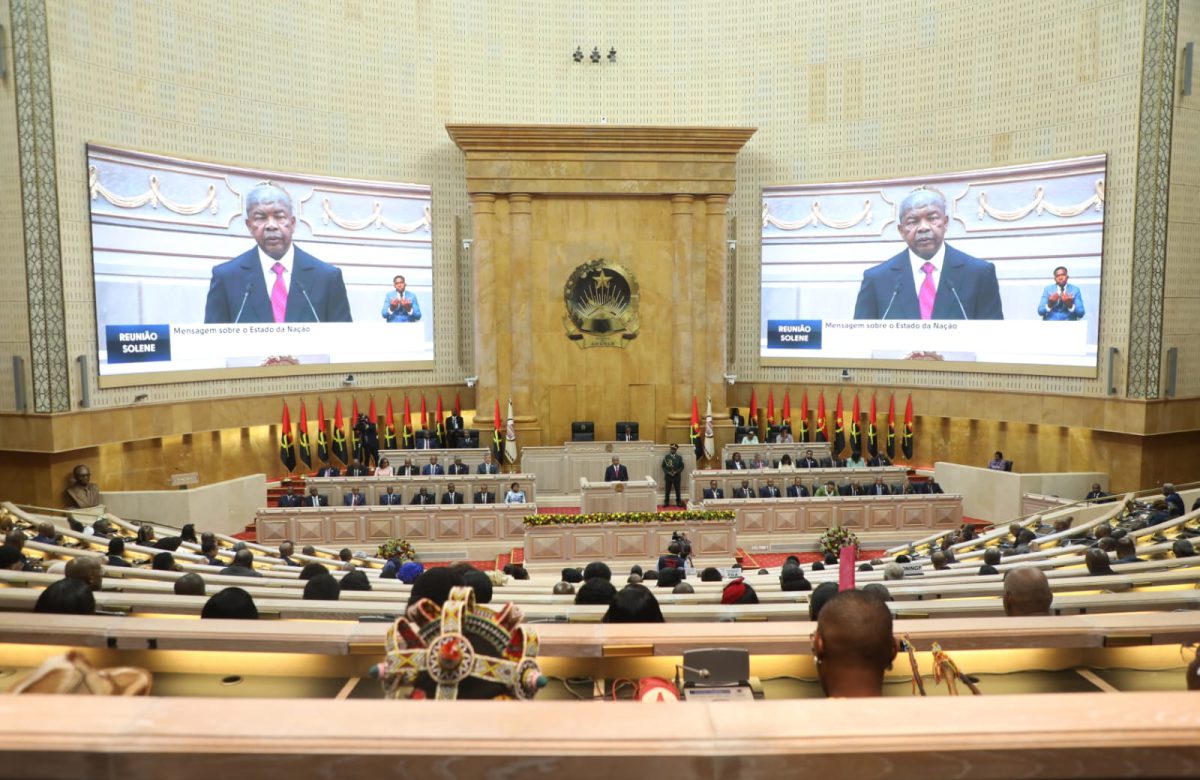
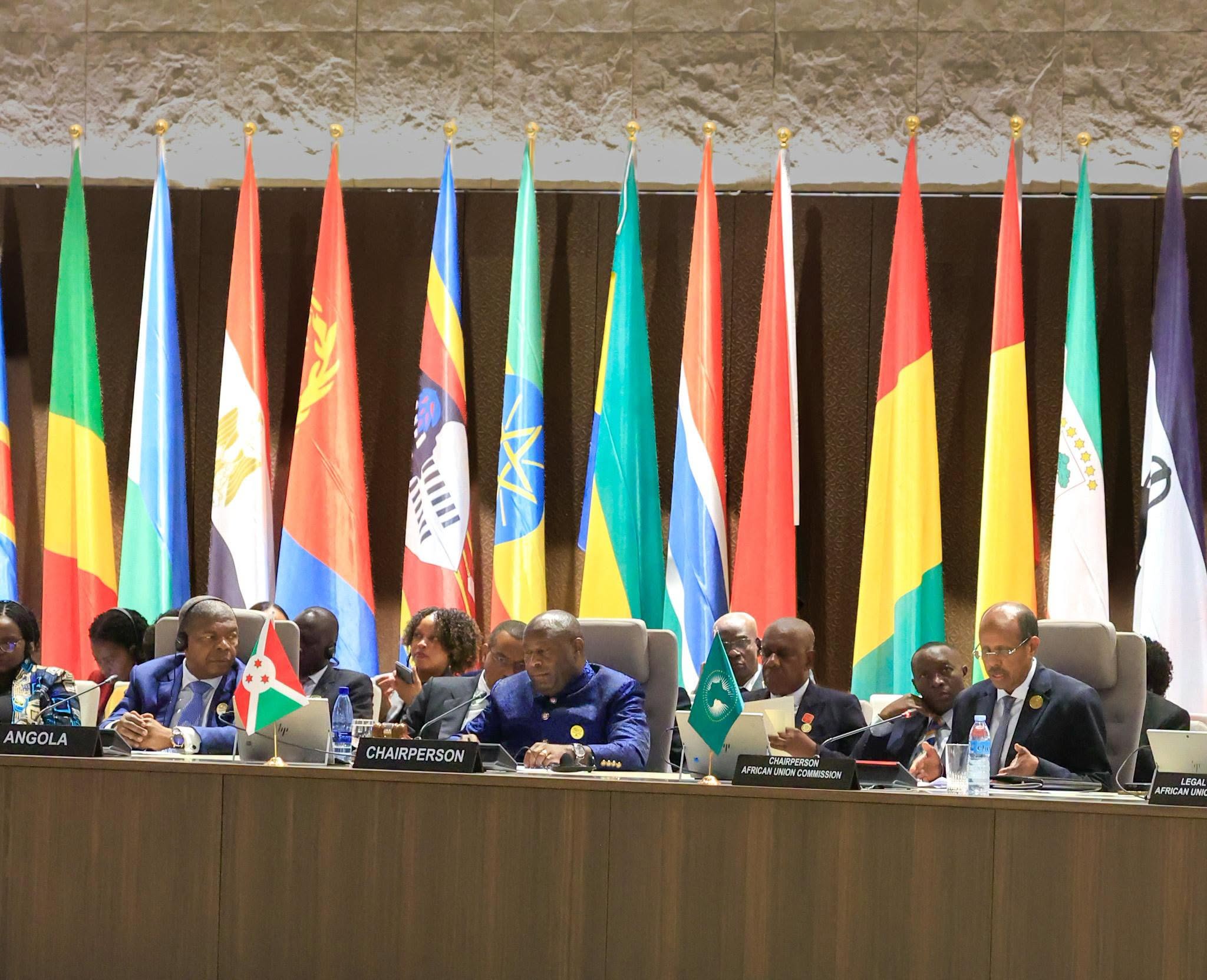
LUANDA — African leaders meeting in Angola have adopted a new framework aimed at strengthening the continent’s ability to prevent and resolve conflicts, with a greater emphasis on early political intervention, mediation, African-led financing and accountability for decisions taken by the African Union.
The 21st Extraordinary Session of the Assembly of African Union Heads of State and Government adopted the Luanda Decision, the Luanda Action Plan and an implementation matrix, designed to narrow one of the biggest gaps in Africa’s peace and security architecture, the distance between detecting an emerging crisis and acting before it escalates.
The summit marks a significant diplomatic moment for Angolan President João Lourenço, the African Union Champion for Peace and Reconciliation in Africa, who put conflict prevention at the heart of the gathering.
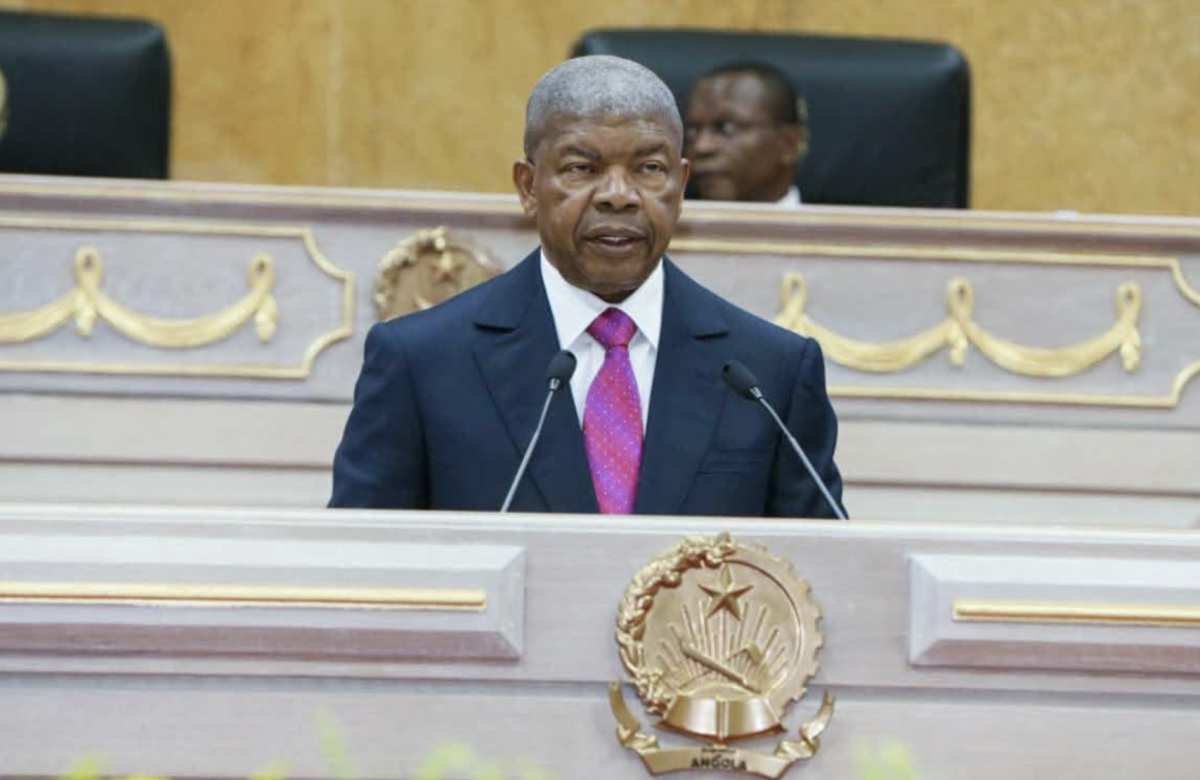
Opening the summit, Lourenço called for concrete measures, clearly defined responsibilities and effective follow-up mechanisms, arguing that Africa must mobilize its political, diplomatic, financial and institutional tools before instability develops into prolonged conflict.
From early warning to early action
A central question in Luanda was why Africa’s ability to identify emerging risks has not always translated into sufficiently rapid political action.
The new framework seeks to strengthen the continent’s early-warning system and shift the African Union toward a more preventive model of diplomacy, supported by closer coordination among the AU, its Peace and Security Council, regional economic communities and member states.
One mechanism at the center of the debate is the AU Trigger Model, designed to reduce the time between identifying warning signs and launching a preventive political response.
The challenge is not simply to create more institutions. Africa already has an extensive peace and security architecture. The test is whether those institutions can act early enough to prevent a political crisis from becoming a war.
Téte António: Decisions must deliver results
Angolan Foreign Minister Téte António played a central role in the diplomatic preparations for the summit.
During the ministerial meeting ahead of the leaders’ gathering, António called for political commitments to be translated into proposals that are “concrete, applicable and realistic,” backed by verifiable results and monitoring and evaluation mechanisms.
His message reflected one of the summit’s central concerns, narrowing the gap between decisions made by African leaders and their implementation on the ground.
Who pays for African peace?
Financing was another major issue in Luanda, African leaders discussed ways to strengthen the African Union Peace Fund and expand the continent’s ability to finance its own conflict-prevention, mediation and peace-support efforts.
The discussions renewed calls for the fund to move progressively toward $1 billion in capitalization, alongside broader efforts to mobilize African resources and reduce dependence on external partners.
The issue goes to the heart of the AU’s ambition for African-led solutions. Early-warning systems and political commitments have limited value if the institutions expected to respond to crises lack predictable resources to act.
Angola turns diplomacy into influence
For Angola, the summit represents more than hosting another gathering of African leaders.
Luanda is seeking to consolidate its position as a continental platform for dialogue, mediation and conflict prevention, building on the country’s diplomatic engagement and Lourenço’s increasingly prominent peace and security role.
As the AU’s Champion for Peace and Reconciliation in Africa, Lourenço has sought to make mediation and African-led political solutions to African crises a central pillar of Angola’s foreign policy.
The adoption of the Luanda framework gives that strategy a broader institutional dimension, but the real test begins after the summit.
The impact of the Luanda Decision will ultimately depend on whether African governments and institutions can finance its commitments, meet agreed timelines, track implementation and, most importantly, act when the first warning signs of a crisis emerge.
If they can, Luanda’s legacy could extend far beyond summit declarations, turning early warning into early action and giving African diplomacy a better chance of preventing wars before it has to negotiate their end.