Angola calls for stronger African action to prevent conflicts before they become wars
- Politics
- August 30, 2026
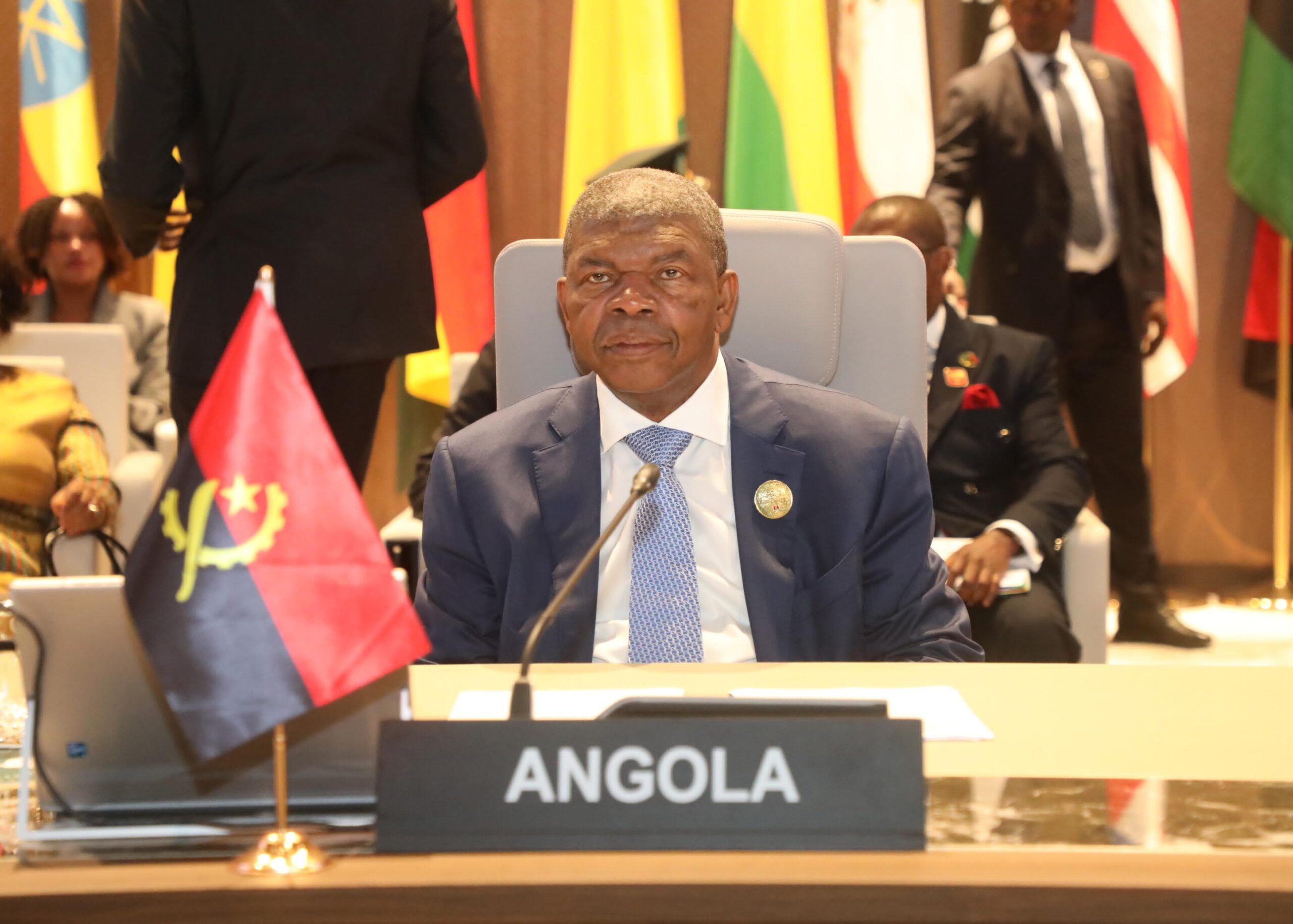

President João Lourenço tells African leaders that peace and security must become the foundation for economic integration, sustainable development and improved living standards
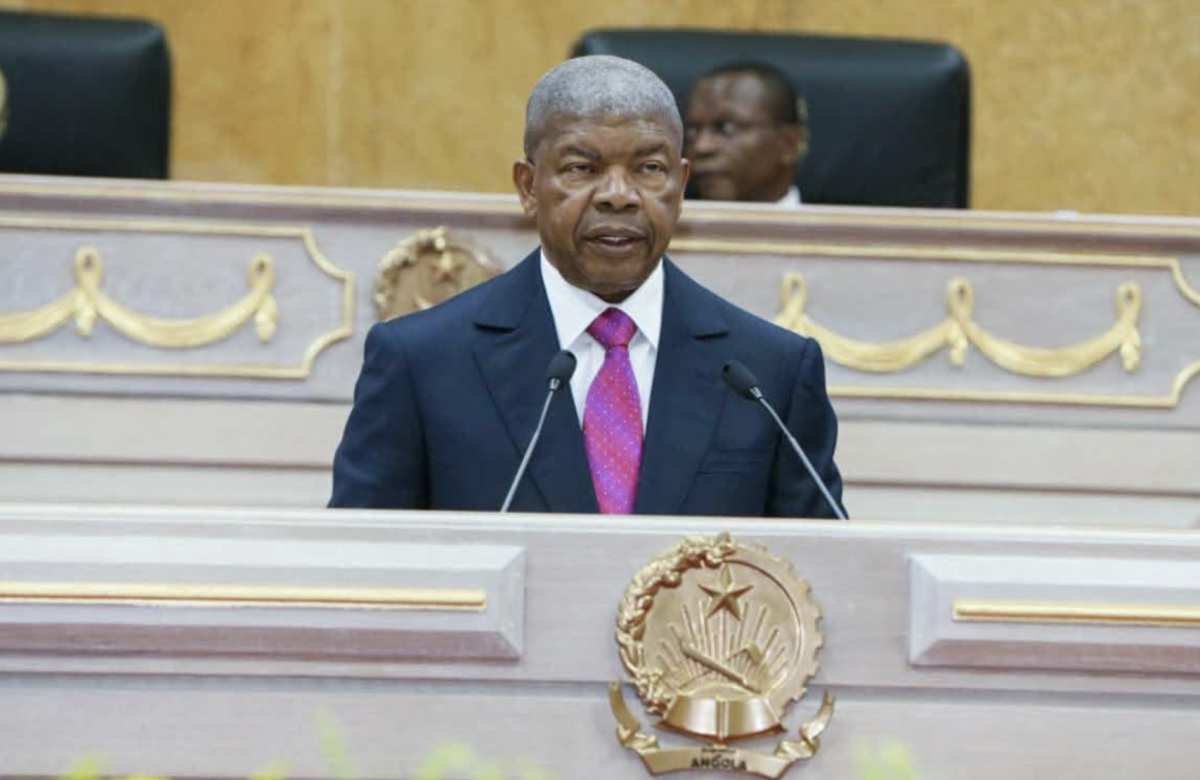
Luanda — Angolan President João Lourenço called on African leaders Sunday to strengthen the continent’s ability to anticipate crises, mediate political disputes and prevent tensions from escalating into armed conflict.
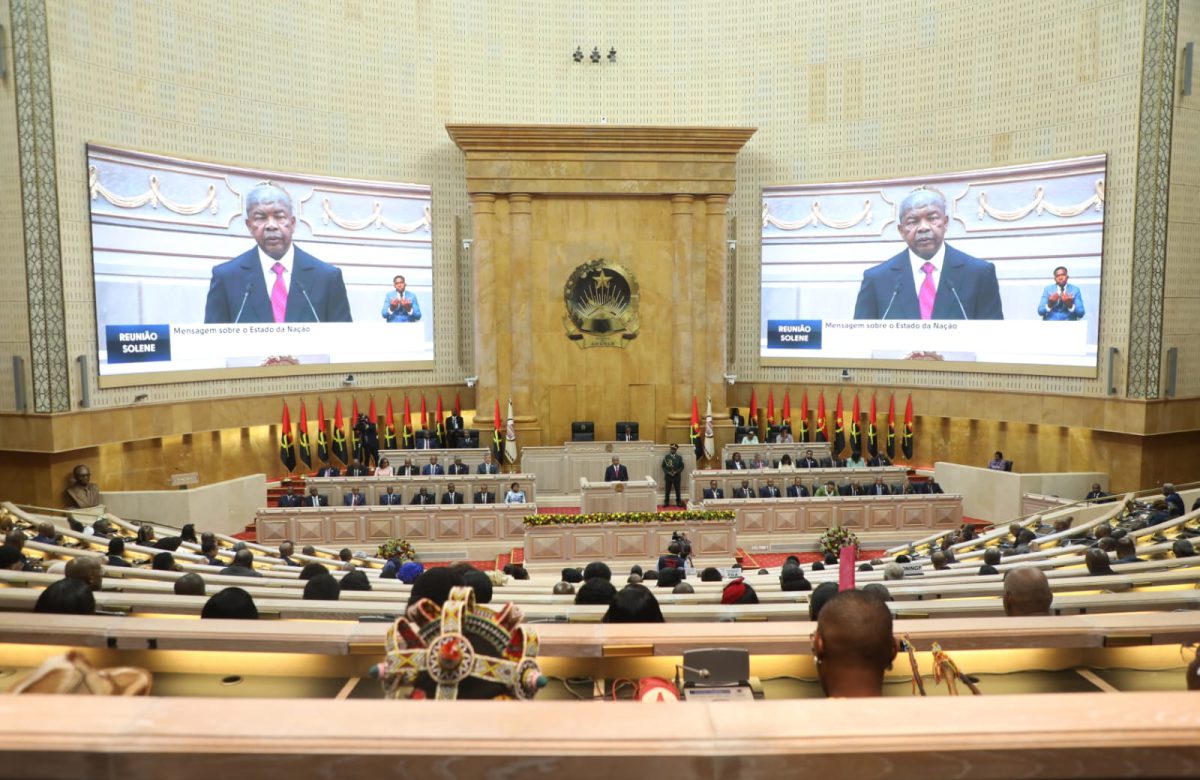
Speaking at the 21st Extraordinary Session of the Assembly of the African Union in Luanda, Lourenço said existing conflict-prevention mechanisms must be made more effective and supported by clear political commitments, adequate resources and stronger institutional coordination.
“It is our responsibility to create the conditions for future generations of Africans to live on a continent free from wars and violent armed conflicts, more integrated, more prosperous and more secure,” Lourenço told the summit, according to his.
The meeting, held under the theme “Strengthening Mechanisms for Conflict Prevention and Resolution in Africa,” comes as the continent confronts persistent wars and instability in Sudan, eastern Democratic Republic of Congo, the Sahel, Somalia, Libya and northern Mozambique.
Lourenço, the African Union’s Champion for Peace and Reconciliation, said peace and security should not be treated solely as political or humanitarian objectives. They are also essential to sustainable growth, regional trade, economic integration and the implementation of the AU’s Agenda 2063 development strategy.
The Angolan leader urged the summit to move beyond declarations and adopt practical measures with clearly assigned responsibilities and effective monitoring. Political, diplomatic, financial and institutional instruments, he argued, must work together to prevent new conflicts and accelerate peaceful settlements to existing crises.
The summit is assessing the effectiveness of the African Peace and Security Architecture and the African Governance Architecture, the AU frameworks designed to support early warning, preventive diplomacy, mediation and post-conflict stabilization.
African Union Commission Chairperson Mahmoud Ali Youssouf reinforced that message, calling for stronger continental early-warning systems, sustainable financing for African peace operations and more consistent implementation of decisions taken by the organization.
“Prevention must become our priority,” Youssouf said, warning that no African country could confront terrorism, violent extremism, transnational crime and political instability alone. His remarks were published by the.
The meeting was preceded Saturday by the 26th Extraordinary Session of the AU Executive Council, which brought together foreign ministers to prepare documents and draft decisions for consideration by heads of state.
Angola held the rotating chairmanship of the African Union in 2025. The organization is currently chaired by Burundian President Évariste Ndayishimiye, while Lourenço continues to lead continental initiatives in his role as AU Champion for Peace and Reconciliation.
For Angola, the Luanda summit represents an effort to translate its diplomatic experience and 2025 AU leadership into a longer-term continental peace agenda. Its success, however, will depend on whether African governments provide the political will, financing and institutional cooperation required to turn early warnings into early action.
Lourenço said the gathering should become a turning point, producing decisions capable of building “a more peaceful and stable Africa.”