Nigeria: Yemi Cardoso faces the test of turning Nigeria’s financial stability into growth
- Economic
- September 7, 2026
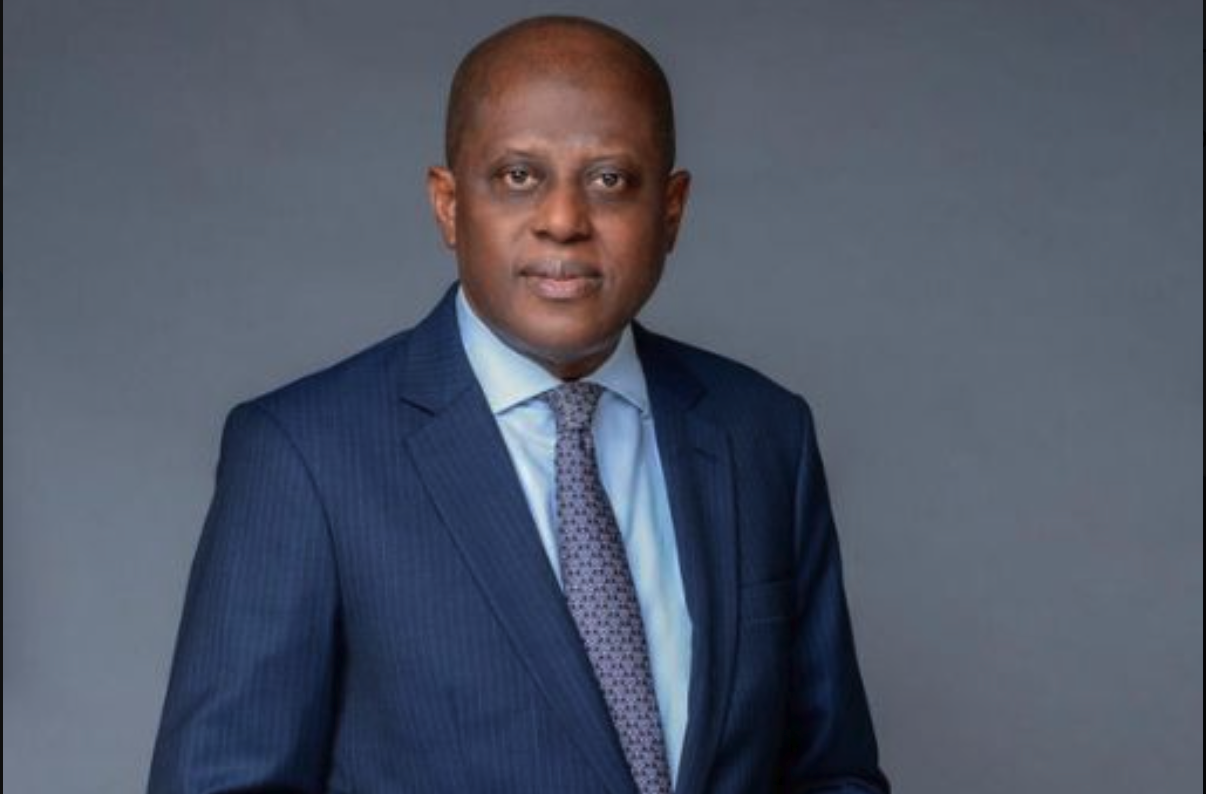

Stronger reserves, tight monetary policy and a banking recapitalisation equivalent to $3.37bn have helped restore investor confidence, but productive investment and household incomes remain under pressure.
ABUJA — Yemi Cardoso has strengthened the credibility of the Central Bank of Nigeria, but the next phase of his strategy will depend on its ability to turn financial stability into investment, private-sector credit and improved living standards.
Nigeria attracted $10.37bn in foreign capital during the first quarter of 2026, an increase of 83.8 per cent from a year earlier. Portfolio investment accounted for $9.86bn, or 95.1 per cent of the total, while foreign direct investment was limited to $135mn. For every dollar of FDI, about $73 entered through more easily reversible portfolio flows.
Cardoso’s strategy rests on three pillars: restoring monetary credibility, normalising the foreign-exchange market and strengthening the banking system.
The CBN raised its benchmark rate from 18.75 per cent to 27.5 per cent during 2024 before cautiously reducing it to 26.5 per cent. Headline inflation fell to 15.43 per cent in July 2026, but food inflation accelerated to 20.31 per cent, highlighting the gap between macroeconomic stabilisation and household experience.
Foreign-exchange reforms included settling verified currency obligations and introducing more transparent trading rules. Net reserves increased by about 51 per cent, from $23.11bn in 2024 to $34.8bn at the end of 2025.
The recapitalisation mobilised naira-denominated funds indicatively equivalent to $3.37bn at the July 2026 exchange rate. Domestic investors supplied about $2.44bn, while international markets contributed approximately $925mn.
Stronger balance sheets, however, have yet to demonstrate that the recapitalisation will translate into more abundant and affordable productive credit. Banks must still place 45 per cent of eligible deposits with the CBN, while government securities offer attractive returns.
Cardoso has restored confidence in Nigeria’s financial architecture. The harder test will be lowering interest rates without triggering capital flight and ensuring that stronger banks finance companies, productive investment, employment and a recovery in real incomes.
This article forms part of AfricaHeadline’s Africa Economic Roadshow.