Visa-Free Africa in 2027, but schools and opportunities remain closed
- Opinions
- September 6, 2026
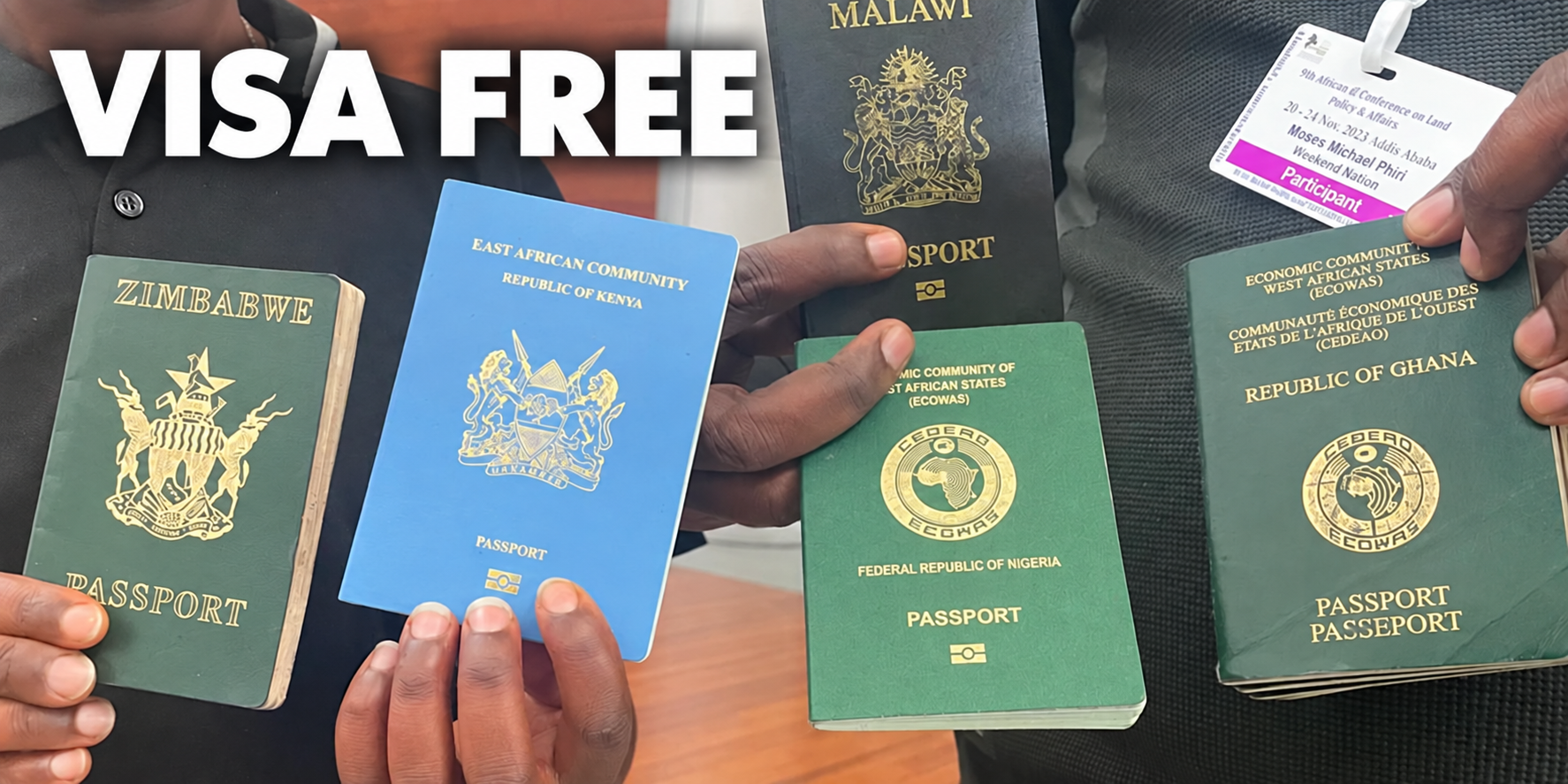

Congo and Chad have pledged to abolish visa requirements for African citizens in 2027. AfricaHeadline supports continental integration but rejects a ceremonial pan-Africanism that leaves children without education, families without food and young people without a future.
AfricaHeadline Opinion
We write these words with some discomfort because we are Africans and believe in a more united continent. We want to travel from Luanda to N’Djamena, from Brazzaville to Kigali or from Accra to Nairobi without being treated as foreigners on our own continent. But believing in African integration does not oblige us to applaud every decision announced in its name.
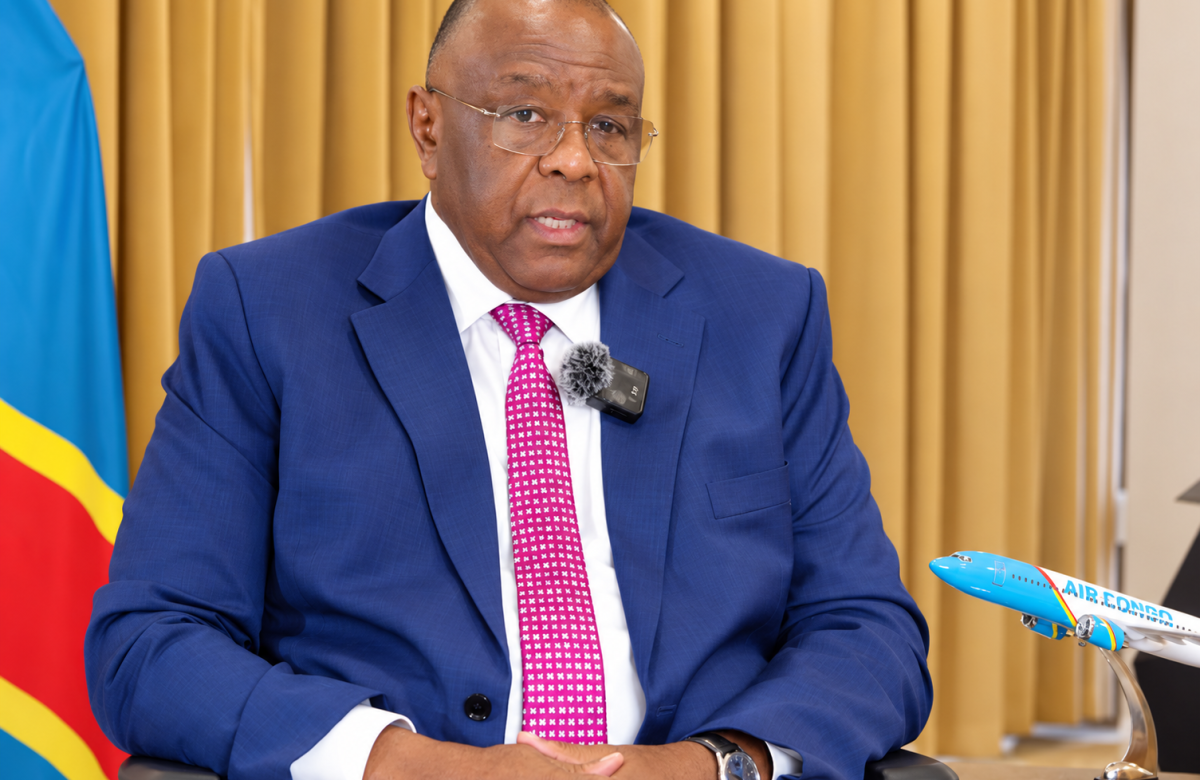
In May 2026, Congo’s President Denis Sassou Nguesso announced that, from 1 January 2027, citizens of every African country would be allowed to enter without a visa. “Never again will a visa be required for any African people,” he declared in Brazzaville during the African Development Bank’s annual meetings. The AfDB celebrated the announcementas a major step towards continental integration.
Two months later, Chad’s President Mahamat Idriss Déby Itno followed the same path. “Chad is opening its borders and abolishing entry visas for all Africans,” he said, setting the same implementation date of 1 January 2027. The announcement was made at the African Water Forum in N’Djamena.
These are grand words, delivered in brightly lit conference halls. But AfricaHeadline has an uncomfortable question: which borders will truly be opened for the poor African citizen?
Abolishing visas could benefit businesspeople, tourists, investors and skilled professionals. The African Union argues that freedom of movement can boost trade, tourism, skills transfers and a shared pan-African identity. It is a valid argument. Yet in 2025, only 28.2 per cent of possible journeys between African countries could be made without a visa, according to the Africa Visa Openness Index.
But development does not happen at an airport immigration desk.
Mr President, before opening the border, visit a rural school. Sit at a broken desk, if there is still a desk available. Speak to the child who walks kilometres to attend classes on an empty stomach. Ask the street vendor where she leaves her baby because no nursery exists. Listen to the teacher trying to educate dozens of pupils without books, water or electricity.
Then tell that family that the great achievement of 2027 will be allowing a foreign visitor to enter the country without filling in a form.
Does that sound provocative? That is precisely the point. African politics has become skilled at presenting symbols as if they were results. We hold summits on prosperity in cities where ordinary people cannot afford bread. We speak of integration while farmers lose their harvests because there are no roads, irrigation systems or storage facilities. We celebrate open borders while keeping the doors to schools, hospitals, credit and employment firmly closed.
AfricaHeadline is not calling for an Africa surrounded by walls. It is calling for governments that understand priorities. Visa-free entry must form part of a broader strategy that includes border security, reliable identification systems, affordable transport, formal trade, mutual recognition of qualifications and protection for workers.
Visa-free access grants permission to visit. It does not automatically confer the right to work, reside or receive public services. Presenting the two as if they were the same amounts to political advertising.
Before 2027, build schools and nurseries. Train teachers. Finance farmers. Provide seeds and equipment. Build rural roads. Guarantee school meals. Create jobs for a generation that does not want more speeches. Young Africans want a reason to remain in their own countries.
If opening the borders produces more tourism, investment, public revenue and employment, then proceed and publish the evidence. If it improves governance and makes citizens more prosperous, it will have our support. But if it merely wins applause at another summit, put away the speeches and return to the countryside.
Pan-Africanism cannot become a red carpet rolled out over poverty. True freedom of movement begins when Africans no longer need to flee their own countries to find dignity.
Presidents of Africa, open your borders when your countries are ready. Until then, tear down the cruellest barrier of all, the one separating your own people from food, education, employment and a future.