Angola consolidates peace and pursues economic diversification
- AngolaPolitics
- October 9, 2026
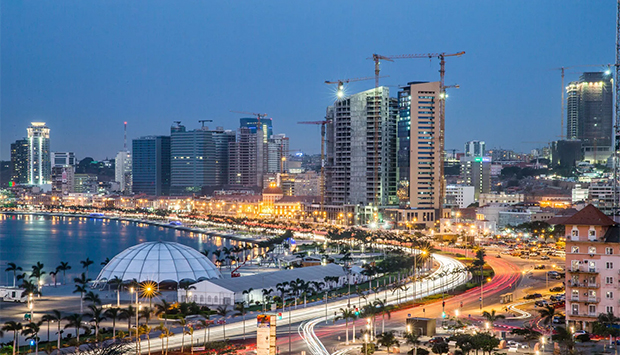

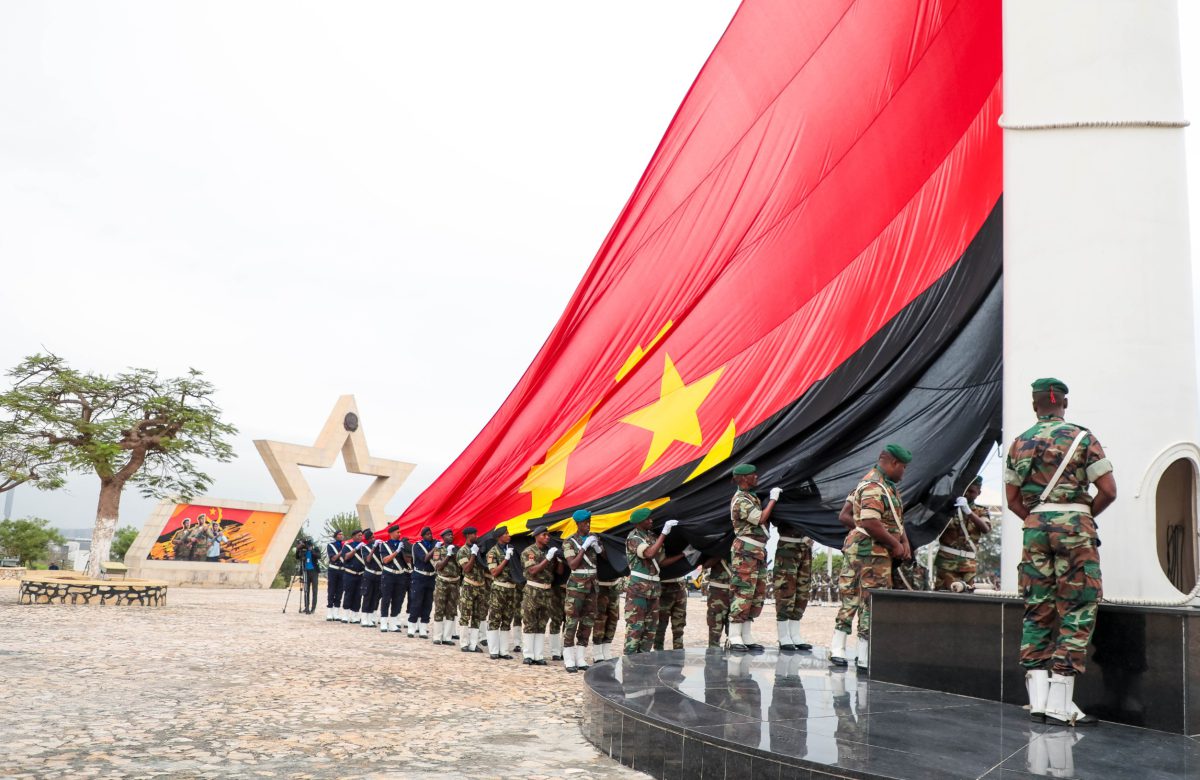
Luanda — Angola is marking more than two decades of peace and national reconciliation, a period characterised by the reconstruction of infrastructure, political and economic stability, and efforts to create the conditions for greater diversification of the national economy.
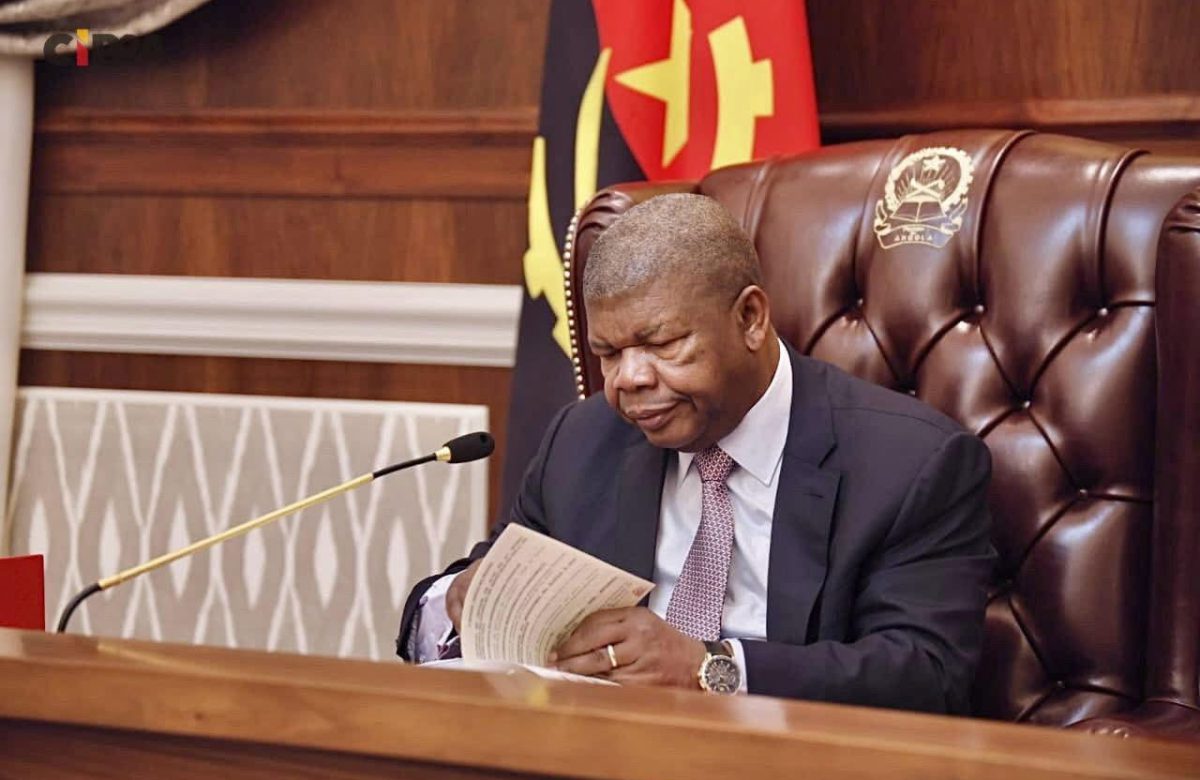
Since peace was achieved in 2002, the country has sought to turn stability into a foundation for economic and social development, a process that gained renewed momentum with the reforms promoted by President João Manuel Gonçalves Lourenço since 2017.
The government’s strategy has focused on macroeconomic stability, improving the business environment, attracting private investment and increasing domestic production, with particular emphasis on non-oil sectors.
Non-oil sector drives growth
Recent figures point to a growing contribution from non-oil activities to Angola’s economic expansion.
In the second quarter of 2026, Angola’s gross domestic product grew 8.74 per cent year-on-year, with the non-oil sector expanding 9.24 per cent, compared with 5.64 per cent growth in the oil sector.
The performance reflects stronger activity in areas such as agriculture, manufacturing, trade, transport, telecommunications and other services.
The figures reinforce the importance of the economic diversification strategy pursued by the government, as Angola seeks to reduce its exposure to fluctuations in international oil markets.
Agriculture and industry have assumed a strategic role in this process, particularly in increasing domestic food production, creating jobs and reducing dependence on imports.
Macroeconomic stability
Strengthening macroeconomic stability has also remained a key priority under João Lourenço.
In recent years, Angola has recorded a significant decline in the public-debt-to-GDP ratio, alongside a downward trend in inflation.
In August 2026, annual inflation stood at 8.78 per cent, maintaining the slowdown recorded throughout the year.
These developments are helping to improve economic predictability and could support private investment, although challenges remain, particularly around unemployment, informality, purchasing power and improvements in social conditions.
Peace and political coexistence
The stability achieved since 2002 remains one of the most significant gains of the post-war period.
The end of the armed conflict between the MPLA and UNITA allowed political competition to move from the battlefield into state institutions, with former adversaries participating in elections, parliament and the broader democratic process.
Political differences between the country’s main parties have persisted, but they have not resulted in a return to armed conflict.
That remains one of the defining features of Angola’s post-war experience: former wartime adversaries have learned to coexist and compete for political power within the same state and through institutional channels.
For President João Lourenço, preserving peace and national reconciliation remains closely linked to the stability required to promote economic and social development.
A new phase of development
More than two decades after the end of the war, Angola is entering another phase: turning political stability into broader economic prosperity.
The challenge is to ensure that growth in non-oil sectors translates into higher domestic production, employment, incomes and opportunities for citizens.
Infrastructure development, expanding agricultural output, industrial growth and the modernisation of public services are central to that effort.
Against this backdrop, João Lourenço’s leadership is associated with an agenda seeking to combine stability, economic diversification, investment and state modernisation, while maintaining peace as a fundamental condition for development.
Angola’s experience demonstrates that peace represents more than the absence of conflict: it creates the conditions to rebuild institutions, develop the economy and establish a society in which different political currents can coexist and compete within the same state.
For Angola, the challenge of the next phase will be to turn the gains in stability and economic growth into more inclusive development and better living conditions for its population.