Ghana tests Yuan payments as trade with China hits record
- EconomicGhana
- October 7, 2026
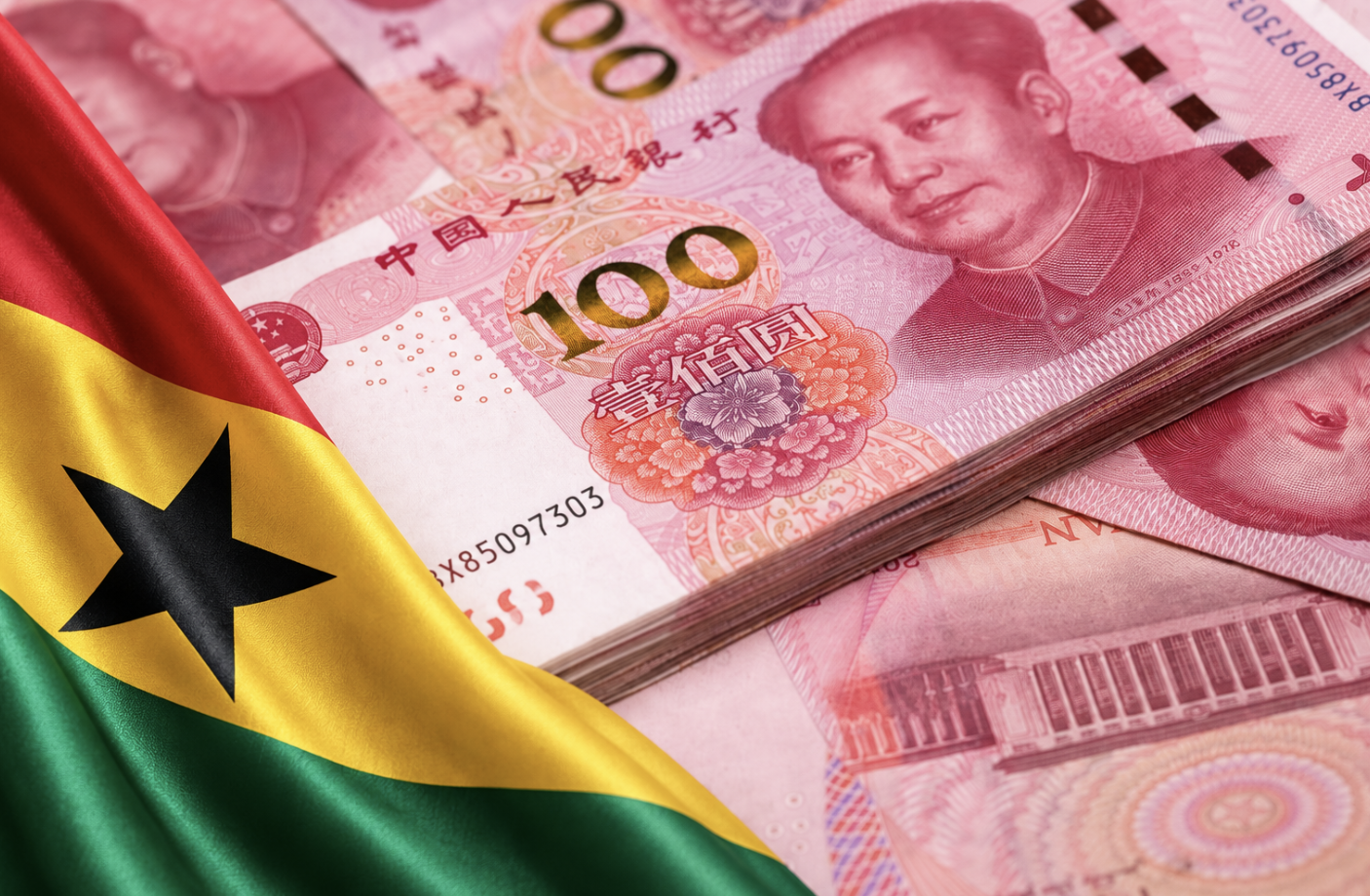

ACCRA — Ghana is opening a new yuan payment channel for companies importing from China, allowing eligible transactions to be initiated from cedi-denominated accounts through the Cross-Border Interbank Payment System (CIPS) as Accra seeks to diversify settlement channels for its expanding trade with Beijing.
The solution, offered by Stanbic Bank Ghana, allows importers to select the yuan as the payment currency without maintaining an RMB-denominated account. The bank says the mechanism can reduce intermediaries, foreign-exchange conversions and transaction processing times.
Bilateral trade between Ghana and China reached a record $14.1 billion in 2025, up 19.3% from the previous year, cementing China’s position as Ghana’s largest trading partner.
For importers, the main change is the potential to reduce the dollar’s role as an intermediary currency. Funds held in cedis are converted into yuan for settlement with eligible Chinese suppliers through the Chinese payment infrastructure, bringing the currency used by the importer closer to that used by the exporter.
The move comes as Ghana continues to focus on foreign-exchange management.
The Bank of Ghana reported gross international reserves of about $12 billion as of Sept. 22, 2026, while the cedi had depreciated 9.5% against the dollar since the beginning of the year.
The initiative, however, does not represent an abandonment of the dollar or a replacement for SWIFT. CIPS provides an additional route for eligible RMB payments, while transactions in dollars and other currencies continue to use established international financial infrastructure.
The strategic significance lies in potential scale, as China deepens its role as a major trading partner for African economies, yuan-based settlement could reduce dollar usage in selected trade corridors and further internationalise the renminbi.
For Ghana, the test will be adoption, if more banks and companies embrace the system, what begins as an alternative banking channel could become another layer of Africa-China financial infrastructure, not by replacing the dollar, but by creating a viable alternative.