COMESA Faces Test of Turning Regional Integration into Industrial Growth
- Politics
- October 22, 2026

Harare, Zimbabwe | October, 2026
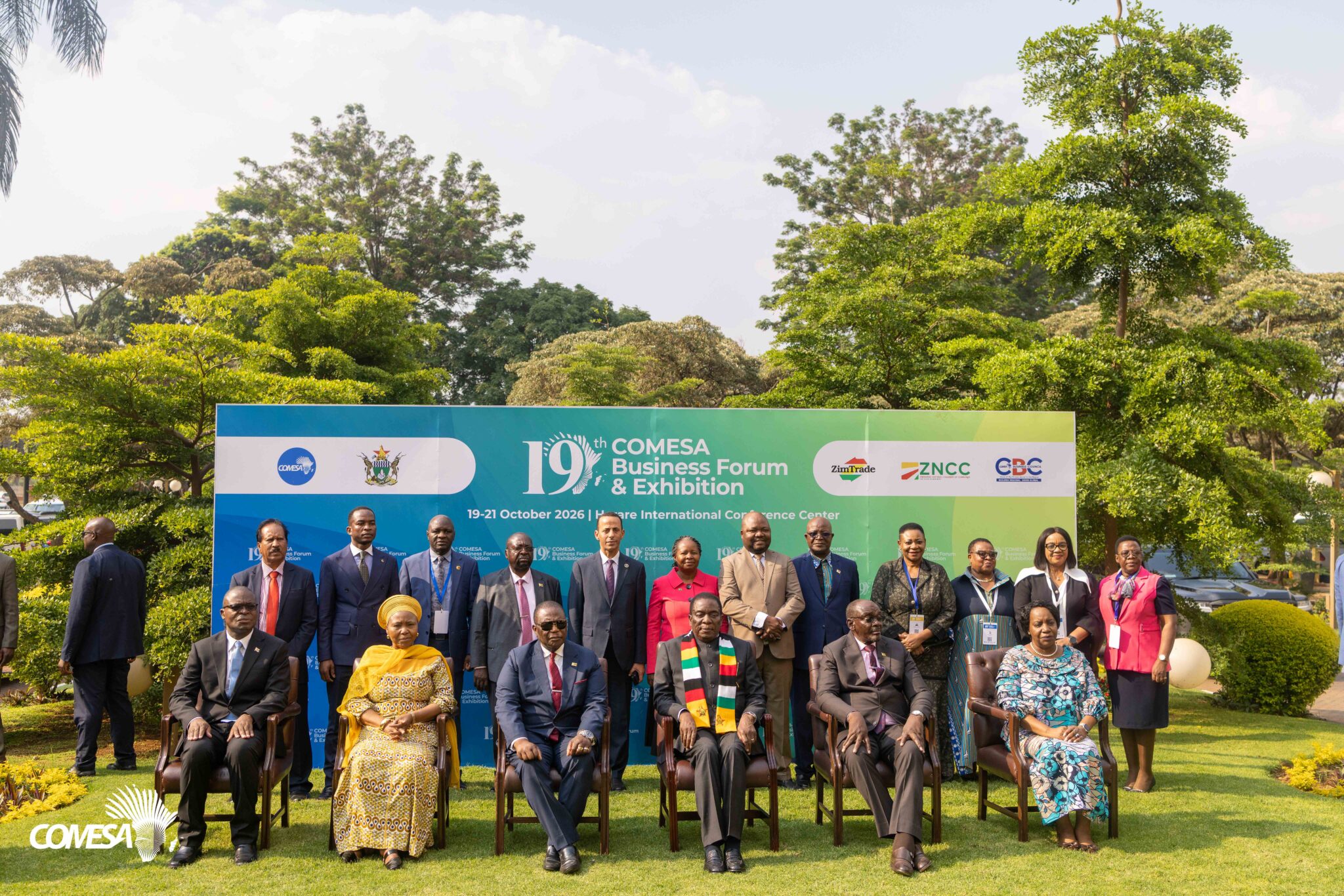
The 25th Summit of Heads of State and Government of the Common Market for Eastern and Southern Africa (COMESA) puts a central economic challenge before regional leaders: turning market integration into investment, industrialisation and stronger intra-African trade.
COMESA brings together 21 member states and more than 680 million people, offering businesses access to a substantial regional market. Yet trade expansion remains constrained by non-tariff barriers, costly logistics, fragmented regulations and customs delays that undermine the competitiveness of cross-border commerce.
The economic case for integration extends beyond removing tariffs. A larger regional market could help manufacturers achieve economies of scale, attract investment and build supply chains spanning several countries. Agriculture, food processing, energy and mineral beneficiation offer opportunities to retain more value within African economies rather than depend on exports of unprocessed commodities.
But market size alone will not deliver industrial growth. Reliable electricity, transport infrastructure, affordable financing and predictable regulations remain essential to turning regional demand into productive investment. Without these conditions, trade liberalisation risks increasing imports without generating comparable gains in domestic production or employment.
COMESA’s Medium-Term Strategic Plan for 2026–2030 provides a framework for advancing market integration, infrastructure connectivity and productive capacity. The challenge now is implementation. Governments must reduce administrative barriers, improve border procedures and establish measurable targets against which progress can be assessed.
Digitalisation could accelerate that process. Interoperable customs systems, electronic trade documentation and more efficient payment mechanisms could lower transaction costs, particularly for smaller businesses. Their effectiveness, however, will depend on adoption across member states rather than isolated national initiatives.
For Zimbabwe, host of the summit and COMESA’s incoming priorities for 2026–2027, the gathering offers an opportunity to strengthen regional commercial ties and attract investment. The broader test for the bloc is whether political commitments translate into commercially viable projects.
Investors will look for evidence in rising intra-regional trade, lower transport costs, stronger manufacturing output and increased exports of processed goods.
COMESA’s success will ultimately depend not on the size of its collective market, but on whether that market can generate competitive industries, productive investment and sustainable jobs.