Société Générale stays in Tunisia—For now, but for How long?
- EconomicTunisia
- February 12, 2025
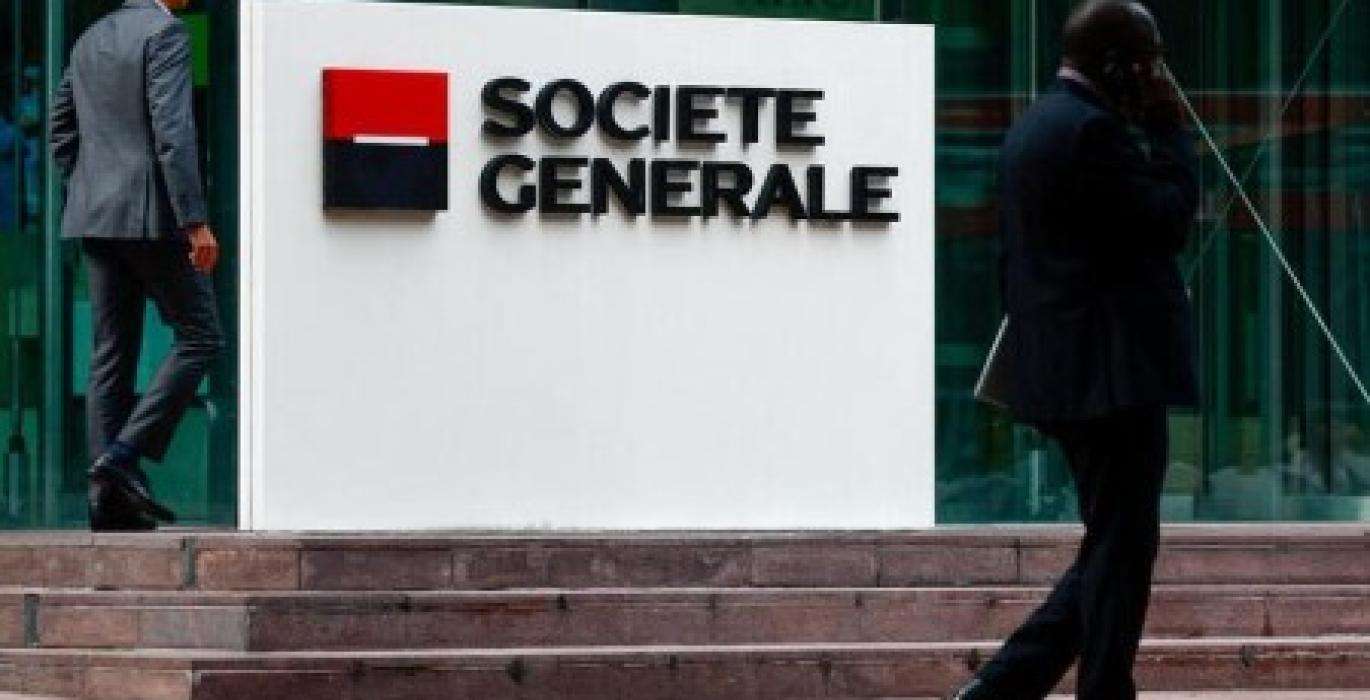

Lagos, Nigeria – In an unexpected move, French banking giant Société Générale has announced that, for now, it will not sell its Tunisian subsidiary, Union Internationale de Banques (UIB).

AfricaHeadline Reports Team
editorial@dw-demosnewstaion.online
After a year and a half of strategic review, UIB’s board of directors revealed on Friday that the majority shareholder, holding 52.34% of shares, has decided to “focus its efforts on strengthening UIB’s position.”
The announcement came as a surprise, especially given Société Générale’s recent push to divest from African markets as part of a broader global restructuring strategy.
This decision contrasts with the bank’s recent actions. Over the past few years, Société Générale has sold its subsidiaries in the Republic of Congo, Equatorial Guinea, Chad, and Burkina Faso, making UIB’s sale seem like the next logical step in its withdrawal from Africa.
However, Tunisia’s economic instability and uncertain financial reforms may have complicated the search for a buyer willing to acquire UIB’s assets at a satisfactory price.
Precedents Across Africa
Société Générale’s gradual retreat from Africa aligns with a broader trend among major European banks, which have been scaling back operations in markets deemed risky or less profitable.
Institutions such as BNP Paribas and Barclays have significantly reduced their presence on the continent over the past decade. A telling example is Burkina Faso, where Société Générale sold its subsidiary to Vista Bank, a fast-growing regional financial institution, in 2023.
A similar outcome was expected for Tunisia, but the country’s challenging economic environment may have prevented the deal from materializing.

The Impact of Tunisia’s Economic Climate
Tunisia’s economy is going through a turbulent period, marked by high public debt, social tensions, and sluggish growth. Additionally, the Central Bank of Tunisia has tightened capital requirements for banks operating in the country, making acquisitions more difficult.
Unlike in sub-Saharan Africa, where Société Générale quickly found buyers for its subsidiaries, Tunisia’s banking sector has struggled to attract foreign investors.
A Temporary Pause or a Strategic Shift?
Société Générale’s decision may be nothing more than a temporary pause, dictated by unfavorable market conditions for a sale.
However, if UIB succeeds in strengthening its position and improving its profitability, the French banking group may reconsider its strategy and opt for consolidation rather than divestment. In the short term, UIB will need to prove its ability to grow in a challenging economic environment while remaining under the control of a shareholder whose long-term vision remains uncertain.