Angola – Non-Oil FDI records strongest start to a year since records began
- Economic
- June 18, 2026
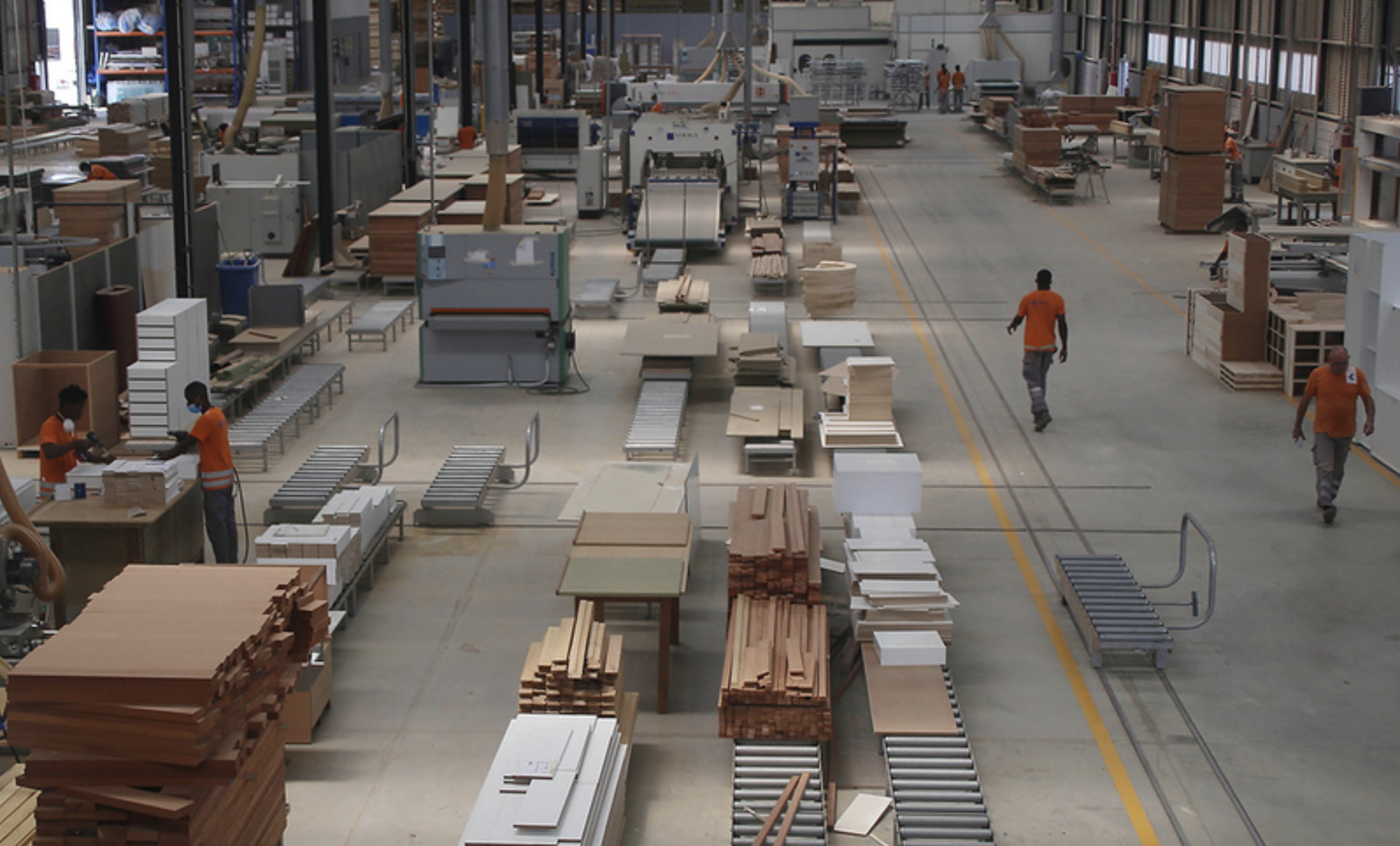

USD 304 Million in the First Quarter of this year
The National Bank of Angola’s (BNA) statistics are limited to recording financial flows without identifying the projects or subsectors that received the investments, making a more detailed analysis of the origin and actual destination of this capital difficult. Despite the growth in non-oil investment, a decline in the Oil & Gas sector caused total Foreign Direct Investment (FDI) to fall by 15% compared with the same period last year.
By Henrique Kaniaki
After reaching its highest level in 17 years at the end of 2025, non-oil Foreign Direct Investment (FDI) maintained its growth trajectory in the first quarter of this year, reaching USD 304.0 million. This represents a 27% increase compared with the same period last year, equivalent to an additional USD 64.4 million invested by foreign investors in Angola during the first three months of the year, according to calculations by Expansão based on statistics from the National Bank of Angola (BNA).
This marks the strongest start to a year since quarterly records began in 2012, when the BNA started publishing quarterly statistics on foreign direct investment. Never before had the Angolan economy attracted such a high volume of non-oil FDI during a first quarter.
Foreign Direct Investment occurs when a non-resident entity acquires, wholly or partially, a company in Angola, obtaining an equity stake with the objective of controlling or influencing its management. In addition to acquisitions of existing companies, FDI includes the establishment of new businesses or branches, capital increases, reinvestment of profits, supplementary capital contributions, and other related operations.
However, the BNA’s statistics merely record financial flows and do not identify the projects or subsectors that received the investments, limiting a more detailed assessment of the true origin and destination of this capital. Nevertheless, there are visible signs of growing foreign investment, particularly from Chinese investors, across several sectors of the economy, notably mining, trade, and real estate.
* Read the full article in the 880th edition of Expansão, published on Friday, 12 June 2026, available in print or digital format, with payment in kwanzas.