Sudan welcomes U.S. decision to remove provision challenging its international representation
- Sudan
- June 15, 2026
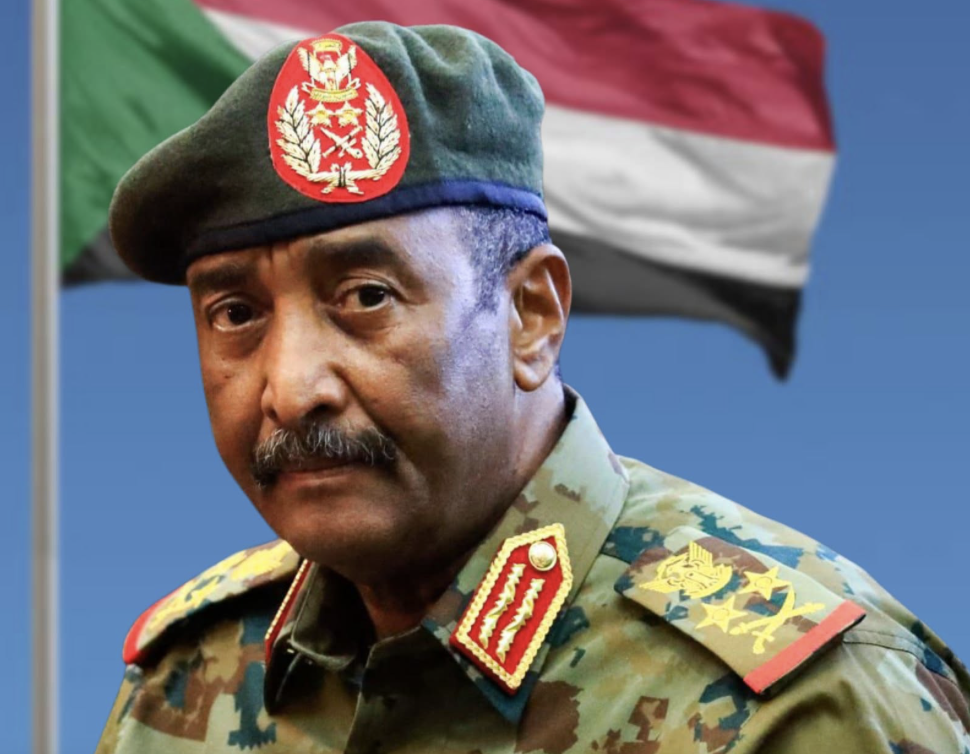

Khartoum, Sudan (AfricaHeadline) — Sudan has welcomed a decision by the U.S. House Foreign Affairs Committee to remove a controversial provision from proposed legislation that sought to challenge the country’s representation in international organisations, a move Sudanese officials describe as a positive signal amid ongoing diplomatic tensions surrounding the country’s civil conflict.
The provision, originally included in the proposed U.S. Engagement in Sudanese Peace Act, would have encouraged efforts to question Sudan’s credentials in international bodies, including the United Nations. Its removal was praised by Sudan’s Embassy in Washington, which said the decision demonstrated respect for Sudan’s sovereignty and recognised the legitimacy of the country’s state institutions.
In a statement, Sudanese diplomats expressed appreciation to members of the committee for what they described as a constructive approach to engagement with Sudan during one of the most challenging periods in the country’s modern history.
The development comes as Sudan continues to face intense international scrutiny over the conflict that erupted in April 2023 between the Sudanese Armed Forces (SAF) and the paramilitary Rapid Support Forces (RSF). The war has displaced millions of people, triggered one of the world’s largest humanitarian crises, and complicated international efforts to broker a lasting ceasefire.
Sudanese authorities have repeatedly rejected attempts by some international actors to place the SAF and RSF on equal political footing. Khartoum maintains that the national army remains the country’s legitimate constitutional institution responsible for defending state sovereignty, while characterising the RSF as a rebel force.
The debate over Sudan’s diplomatic representation has become increasingly sensitive as competing political actors seek international recognition and influence. For Sudan’s government, retaining its standing within multilateral organisations is viewed as essential to preserving state legitimacy and maintaining access to diplomatic and economic partnerships.
While welcoming the committee’s decision, Sudanese officials reiterated their commitment to a Sudanese-led political process aimed at restoring civilian democratic governance. The government also pledged continued cooperation on humanitarian access and accountability mechanisms related to violations of international humanitarian law.
The removal of the provision does not necessarily signal a broader shift in U.S. policy toward Sudan. Washington remains deeply concerned about the humanitarian consequences of the conflict and continues to support international efforts to achieve a negotiated settlement between the warring parties.
Analysts note, however, that the committee’s decision may help reduce a potential source of diplomatic friction between Washington and Khartoum at a time when regional and international actors are seeking pathways to stabilise the country.
The conflict in Sudan has increasingly drawn the attention of African governments, Gulf states, the United States and European partners, all of whom have expressed concern over the war’s impact on regional security, migration flows and economic stability across the Horn of Africa and the wider Red Sea corridor.
For Sudan, the latest development represents a modest but symbolically important diplomatic victory. For the international community, it underscores the delicate balance between supporting democratic transition, addressing humanitarian concerns and maintaining engagement with recognised state institutions during a prolonged and complex conflict.
As Sudan’s crisis enters its fourth year, the challenge facing both Sudanese leaders and international partners remains unchanged: finding a sustainable path toward peace while preventing further deterioration of one of Africa’s most strategically significant nations.