Rwanda’s structural organisation and development
- In a NutshellRwandaSAUTI
- December 17, 2024
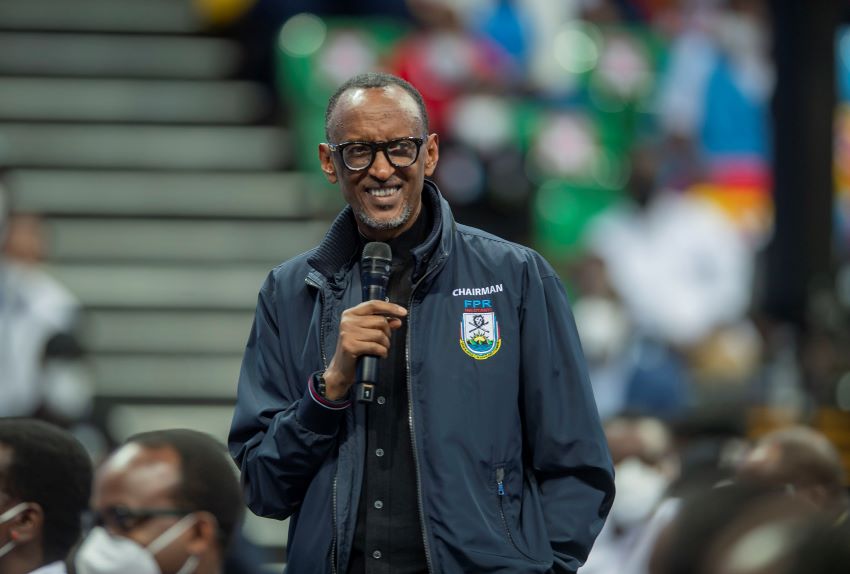

Lagos, Nigeria – Paul Kagame’s leadership of Rwanda stands as a remarkable example of transformation, taking the country from the devastation of the 1994 genocide, which claimed nearly 800,000 lives, to one of the fastest-growing economies in Africa. Over the past two decades, Kagame’s government has focused on structural organisation, economic pragmatism, and sustainable development, creating a model for emerging economies.

AfricaHeadline Reports Team
editorial@dw-demosnewstaion.online
Under Kagame’s administration, Rwanda has seen unparalleled progress, built on effective governance, education, technology, and infrastructure development.
Rwanda’s economic performance reflects the success of its strategic reforms. The country’s Gross Domestic Product (GDP) grew by 8.2% in 2023, and projections for 2024 point to an 8.3% increase, according to the IMF. Over the past decade, Rwanda has maintained an average annual growth rate of 7%, placing it among the world’s fastest-growing economies.
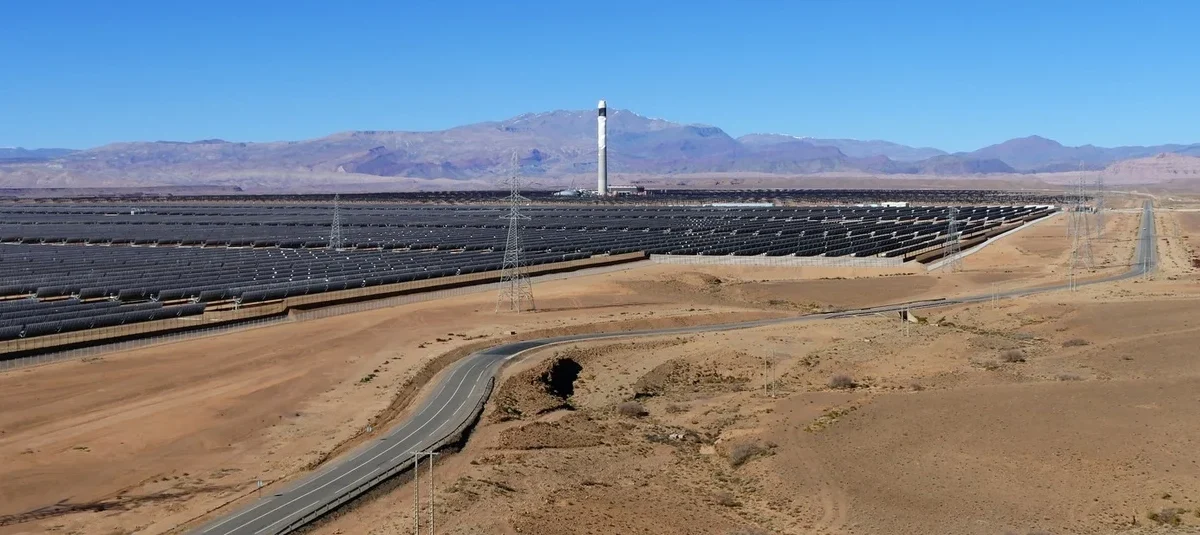
Rwanda has prioritised investment in infrastructure projects, including the construction of 3,000 kilometres of paved roads since 2000, the modernisation of airports, and expanded access to electricity. The electrification rate rose from 18% in 2012 to 75% in 2023, with a focus on renewable energy to drive sustainability and reduce dependency on fossil fuels.
Kagame’s administration reformed the education sector, making basic education free and compulsory. This led to an increase in literacy rates to 73% by 2023. Technical and vocational education has been strengthened to equip the youth with skills in technology, engineering, and innovation, preparing Rwanda’s workforce for the global economy.
Rwanda is now one of Africa’s most digitally connected nations, with internet access rising from 7% in 2010 to 60% in 2023. Initiatives such as the Smart Rwanda Master Plan have positioned the country as a technology hub, attracting foreign investment in startups, fintech, and e-commerce.
Kagame’s leadership has been defined by his emphasis on political stability and social order as the foundation for economic progress. Rwanda is now one of the safest countries in Africa, with robust anti-corruption policies and transparent governance. The country ranks 5th in Africa on the Transparency International Corruption Perceptions Index.

Additionally, Kagame has promoted self-sufficiency, focusing on agriculture and local industries to reduce reliance on imports. The agricultural sector, which accounts for 33% of GDP, employs 70% of Rwanda’s rural population, benefiting from modernisation programmes and government support.
Despite its successes, Rwanda faces ongoing challenges. A growing current account deficit, driven by import dependency, poses economic risks. Kagame’s administration has also drawn criticism over political opposition and the limited space for dissent.
Kagame argues, however, that stability and tangible economic progress are crucial for rebuilding a nation scarred by tragedy. While polarising, his pragmatic leadership has delivered measurable results for the Rwandan people.
Under Paul Kagame, Rwanda has emerged as a symbol of resilience and structural progress. The country’s economic and social achievements demonstrate that, with strategic vision and disciplined execution, even the darkest chapters in history can be transformed into stories of hope and opportunity.
Rwanda’s focus on education, innovation, and governance has positioned it as a model for other developing nations. With impressive economic indicators and a clear trajectory for growth, Rwanda continues to inspire, transforming its past struggles into a future defined by progress, sustainability, and ambition.