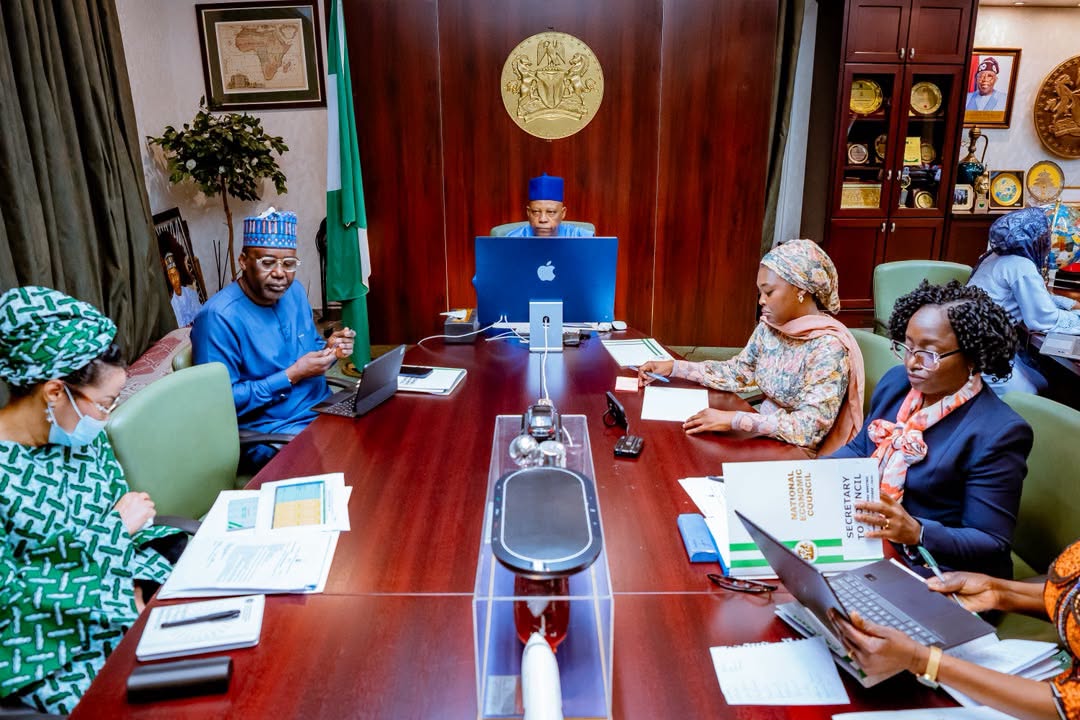
Nigeria eyes economic rebound with bold reforms and 4% growth forecast in Q1 2025
- EconomicNigeriaWest Africa
- June 8, 2025


Abuja | AfricaHeadline – Nigeria’s economy is showing early signs of recovery in the first quarter of 2025, driven by structural reforms and renewed fiscal discipline, despite lingering challenges in the labor market and widespread flood-related disruptions across more than 30 states.

AfricaHeadline Reports Team
editorial@dw-demosnewstaion.online
According to the Central Bank of Nigeria (CBN), the country’s GDP is projected to grow by 4.17% this year, aligned with the government’s economic reform agenda under President Bola Tinubu. The International Monetary Fund (IMF), however, offers a more conservative outlook, forecasting growth at 3.0% amid fiscal tightening and macroeconomic stabilization efforts.
The recovery is being fueled by bold measures, including the removal of fuel subsidies, unification of the exchange rate, and tighter public spending. These policies, though painful, have helped stabilize the currency market, strengthen external reserves, and cut the fiscal deficit from 6.2% to 4.4% of GDP, according to the World Bank.
On the monetary front, inflation, which spiked to over 34.8% in 2024, has begun to decline and is expected to ease to between 24% and 26% in 2025, supported by a more restrictive monetary policy and gradual recovery of the naira. However, unemployment remains high, hovering around 22% in Q1, underscoring the slow pace of job creation and the social toll of recent austerity measures.
Still, major natural disasters continue to weigh heavily on Nigeria’s growth outlook. Floods recorded in April and May claimed hundreds of lives and caused severe damage to agriculture, threatening food supply chains and dampening short-term growth prospects.
Despite these setbacks, government officials remain optimistic. The Finance Minister recently reaffirmed the administration’s goal to double the current growth rate within the next two years by accelerating investments in agriculture, manufacturing, and the digital economy.
In the short term, the success of Nigeria’s economic recovery will depend on its ability to mitigate climate shocks, create inclusive employment opportunities, and attract sustained foreign investment. Over the medium term, if reform momentum continues, Nigeria could solidify its status as one of Africa’s most resilient emerging economies, provided that growth translates into tangible improvements in people’s lives.