Kagame and the influence of global intelligence
- Democratic Republic of the Congo (DRC)PoliticsRwanda
- February 2, 2025

Johannesburg, South Africa – Foreign intelligence agencies continue to shape Africa’s geopolitical landscape, influencing conflicts and leadership decisions. The latest escalation involving Rwandan President Paul Kagame and the Democratic Republic of the Congo (DRC) underscores the deep involvement of external actors, including the CIA, MI5, and Mossad, in regional affairs.

AfricaHeadline Reports Team
editorial@dw-demosnewstaion.online
Kagame’s rise to power came with strong backing from Western powers. A former intelligence officer trained in the United States, he received military support from Washington following the 1994 Rwandan genocide. His administration has since maintained close ties with the CIA, aligning with U.S. interests in the Great Lakes region, particularly in countering French influence.
Britain’s relationship with Rwanda has remained consistent, particularly since Kigali joined the Commonwealth in 2009. Despite reports linking Rwanda to human rights abuses and its alleged support for the M23 rebel group in the DRC, London has avoided direct criticism.
Cooperation between Rwandan security forces and MI5 on counterterrorism and migration control has further strengthened ties, ensuring the UK remains one of Kigali’s key allies.
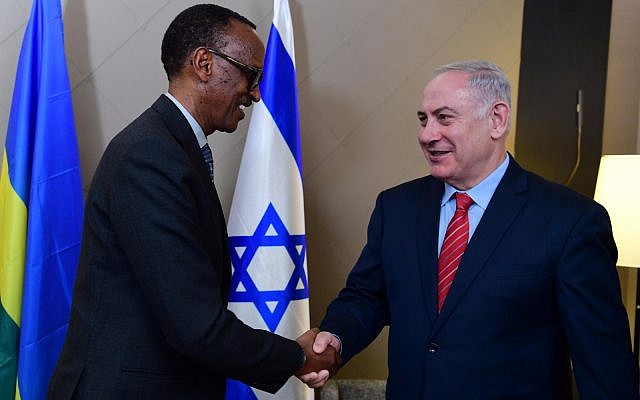
Israel’s Mossad has also played a role in reinforcing Kagame’s position. Military and intelligence collaboration between Kigali and Tel Aviv has resulted in a sophisticated surveillance network in Rwanda, reportedly aiding political crackdowns and military operations. In return, Israel has secured diplomatic support and access to strategic resources.

The ongoing crisis in the DRC highlights the broader impact of foreign interventions. The CIA has a long history of involvement in regime changes and militia funding across Africa, and Rwanda’s actions in the DRC align with U.S. strategic interests. The extraction of critical minerals, including coltan and cobalt, has driven military activity in the region, with tacit approval from international partners.
The UK has consistently shielded Kagame from scrutiny, obstructing sanctions and dismissing UN reports implicating Rwanda in human rights violations and resource exploitation. Economic interests in the DRC remain a key factor in London’s foreign policy.
Similarly, Israeli intelligence assistance has strengthened Kigali’s military capabilities, with reports indicating the supply of advanced surveillance technology and drones.
Recent tensions between Kagame and South African President Cyril Ramaphosa further illustrate shifting regional power dynamics. By rejecting the Southern African Development Community (SADC) peacekeeping mission in the DRC, Kagame has directly challenged South Africa’s influence, fueling geopolitical divisions. His criticism of Pretoria’s logistical difficulties suggests a broader effort to undermine regional leadership structures.
 – Avigdor Liberman’s visit to Rwanda on March 18 2018, the first ever such visit made by an Israeli Defense Minister, took place almost under the radar, with limited publication on the content of his meetings with President Paul Kagame and other senior Rwandese officials. Yet as far as bilateral relations are concerned, this visit symbolizes the deep evolution of the relationship that has been forged in recent years between Jerusalem and Kigali at the highest levels. In fact, Rwanda has become one of Israel’s main interlocutors on the African continent.
As foreign-backed actors remain entrenched in Africa’s conflicts, questions of sovereignty and self-determination persist.
Kagame’s reliance on Western and Israeli support reflects a broader pattern of external involvement that continues to shape African geopolitics. With instability rising, the role of foreign intelligence agencies in determining the continent’s future remains a critical concern.