Kabila leads new political-military front, raising stakes in DR Congo conflict
- Democratic Republic of the Congo (DRC)Politics
- October 13, 2026

The launch of the Front for the Refoundation of the Nation reshapes the anti-Kinshasa movement, complicates peace efforts and raises questions over the political and strategic interests driving the war in eastern Congo.
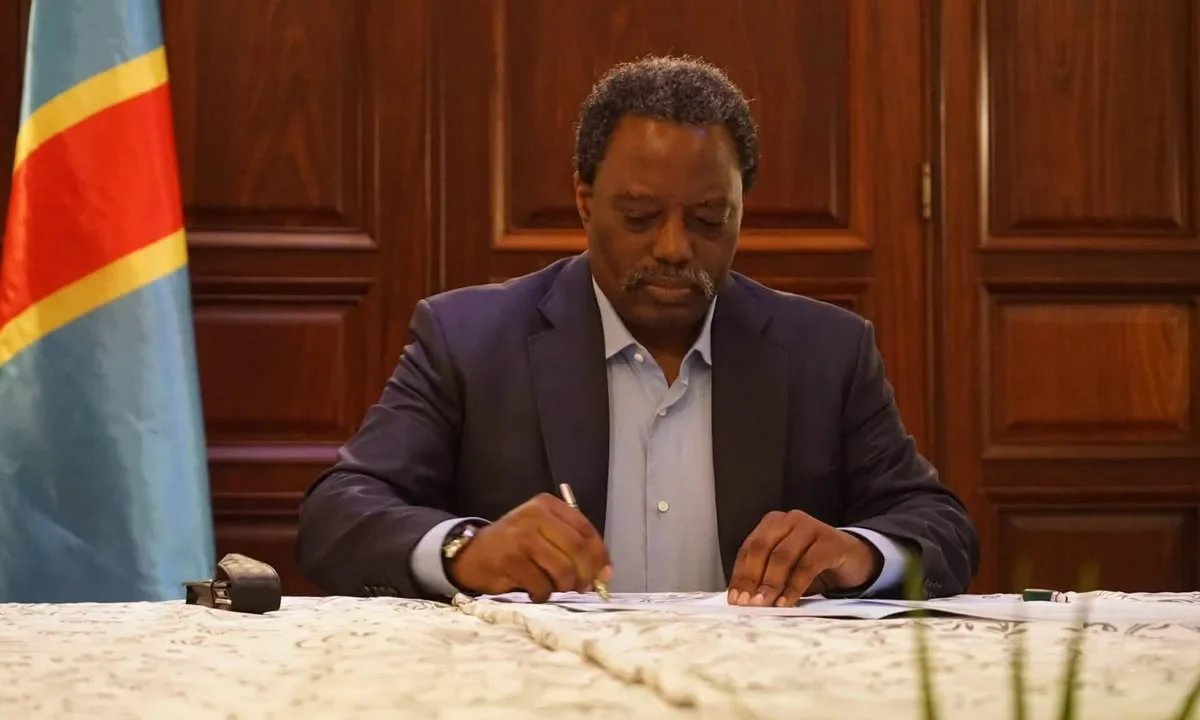
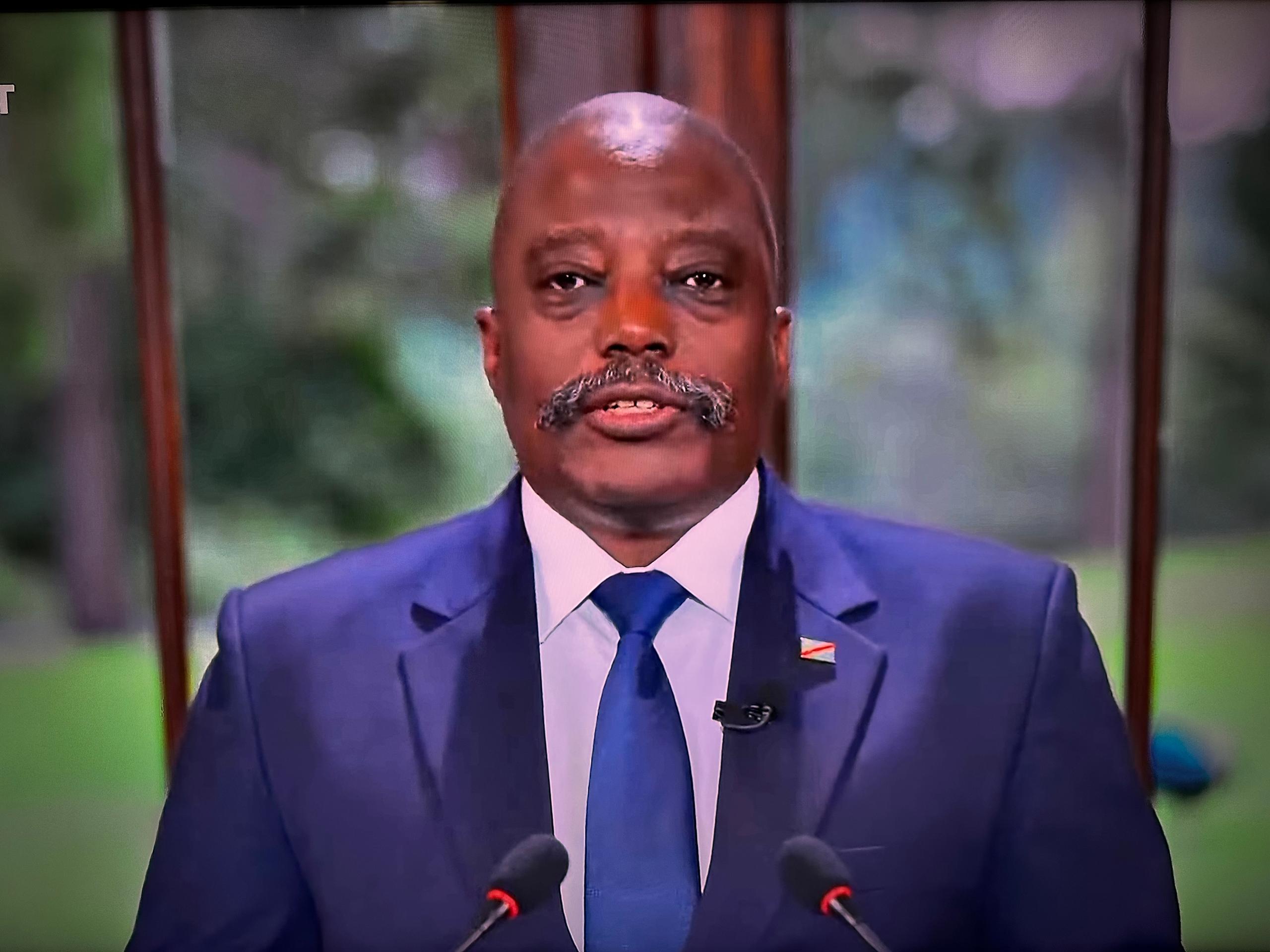
GOMA — Former Democratic Republic of Congo president Joseph Kabila has taken the lead of the Front for the Refoundation of the Nation (FRN), a new political-military platform announced on Monday in Goma, in the country’s east. The coalition brings together figures linked to the Congo River Alliance (AFC) and the M23 rebel movement, in a reorganisation that could alter the political and military balance of the conflict.
The new platform presents itself as a resistance movement against President Félix Tshisekedi’s government, pledging to restore the functioning of republican institutions. Its explicit reference to the possible use of force, however, places the initiative beyond the scope of a conventional political coalition.
The central question is whether the FRN represents a rebranding of existing opposition forces or an attempt to build a new power structure capable of challenging the government in Kinshasa.
Conflict timeline: From insurgency to political realignment
January 2025, M23 captures Goma, the rebel movement’s seizure of the North Kivu provincial capital strengthened its military position and exposed weaknesses in the government’s security response. The crisis took on a more acute national and regional dimension.
May 2025 — Kabila returns to the centre of the conflict, the former president returned to the DRC and travelled to Goma, then under rebel control. Congolese authorities accused him of supporting the insurgency, allegations he contested.
July 2025 — Ceasefire efforts falter, Kinshasa and M23 made commitments under a Qatar-mediated process. Continued fighting nevertheless underscored the difficulty of translating political agreements into lasting security on the ground.
September 2025 — Kabila is sentenced in absentia. A Congolese military court sentenced the former president to death on charges including treason and war crimes. Kabila rejected the allegations and described the proceedings as politically motivated.
June 2026 — Signs of a broader restructuring emerge. United Nations experts had identified the possibility of a significant reorganisation of AFC/M23, including a change in political branding and a more prominent role for Kabila.
October 2026 — The FRN is announced. The new platform is unveiled in Goma, with Kabila at its head and figures including Corneille Nangaa, Bertrand Bisimwa and Sultani Makenga occupying central positions.
A new political identity for the war?
The creation of the FRN may be an attempt to give the insurgency a broader political framework. Kabila’s involvement allows the coalition to present itself not merely as an armed movement, but as a project for national political reorganisation.
Three implications stand out.
First, the coalition could broaden the conflict beyond territorial and security grievances, turning it into a more direct contest over political legitimacy and state power in Kinshasa.
…
Second, the new structure may seek to strengthen its position in negotiations by establishing a clearer political leadership. Yet the consolidation of existing factions under a new banner could also complicate efforts to identify negotiating counterparts and enforce previous commitments.
…
Third, the development has regional implications, the conflict in eastern Congo is shaped by security concerns, cross-border trade and competition over mineral resources. The United Nations and several Western governments have accused Rwanda of supporting M23, a charge Kigali rejects. The formation of the FRN does not, in itself, establish an external plan to control Congo’s mineral wealth, but it reinforces the need to scrutinise the political, military and economic relationships sustaining the conflict.
What lies behind the realignment?
One interpretation is that the FRN seeks to give the insurgency a more distinctly Congolese political identity. A former head of state at its helm could help broaden its domestic appeal and counter criticism over the regional dimension of the war.
That remains an analytical hypothesis, not an established fact. The platform’s real significance will depend on its command structure, relations between political and military leaders, battlefield developments and role in peace negotiations.
It also remains unclear whether all factions within the coalition share the same objectives. Earlier assessments by UN experts pointed to internal differences over the ambition to expand military operations beyond eastern Congo.
Peace faces a new test
The FRN’s emergence marks a significant shift in the organisation of political and military opposition to the Congolese government. By taking the lead, Kabila assumes a more direct role in a crisis that continues to drive displacement, regional instability and a severe humanitarian emergency.
The principal risk is that the reorganisation could prolong the confrontation rather than create conditions for a political settlement. Assessing that risk will require close attention to military decisions, regional relationships and the coalition’s willingness to engage meaningfully in negotiations.
The defining question is not simply who leads the new front, but what political order it seeks to establish, whose interests it represents and whether it is prepared to accept a settlement that preserves the sovereignty and territorial integrity of the Democratic Republic of Congo.
AfricaHeadline | Africa Political & Security Intelligence