Dakar 2026: Senegal opens a new chapter in Africa’s olympic history
- SenegalSports
- November 1, 2026
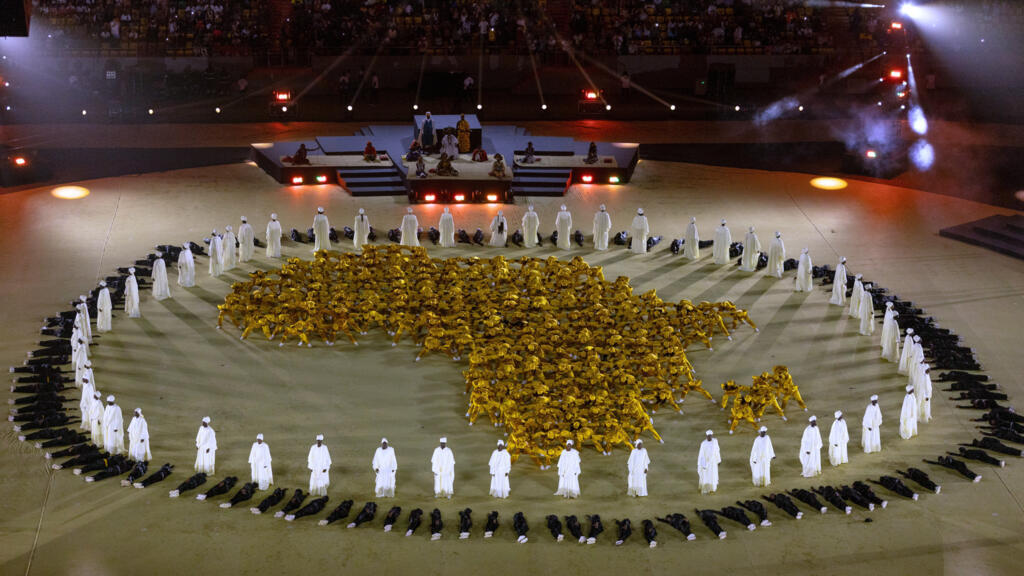

Dakar – The opening ceremony of the Youth Olympic Games marks Africa’s first time hosting an Olympic event, bringing together around 2,700 athletes aged 14 to 17 and placing Senegal at the centre of international sport.
Senegal officially opened the Dakar 2026 Youth Olympic Games on Saturday, becoming the first African country to host an Olympic event. The occasion marks a milestone for the continent as it seeks to strengthen its presence in international sport and establish itself as a destination for major global competitions.
The opening ceremony took place at the Diamniadio Olympic Stadium, near the capital Dakar, in front of tens of thousands of spectators. Music, dance and traditional performances celebrated Senegalese and African heritage under the Games’ motto: “Africa Welcomes, Dakar Celebrates”.
One of the ceremony’s defining moments was the formation of a giant map of Africa by performers dressed in traditional yellow, black and white garments. Hundreds of drummers and dancers moved in synchronised performances, alongside West African oral storytelling, concerts by Senegalese artists and the parade of competing athletes.
Senegalese President Bassirou Diomaye Faye officially declared the Games open, in a ceremony that sought to combine African cultural identity with the continent’s ambition to host more international sporting events.
Around 2,700 athletes aged between 14 and 17 are expected to compete through November 13. The programme features 153 medal events across 25 sports, with competitions taking place in Dakar, Diamniadio and Saly, the country’s coastal resort town.
The Games also mark another milestone with the introduction of the first Refugee Olympic Team at a Youth Olympic event. Six athletes based in Kenya and Uganda will compete in athletics, judo and taekwondo, bringing greater visibility to young people affected by forced displacement.
Beyond the sporting competition
For Senegal, hosting the Games represents an opportunity to demonstrate its capacity to organise major international events and strengthen its global profile. The competition also places a spotlight on the country’s sporting infrastructure, transport networks, hospitality sector and ability to manage large-scale international gatherings.
However, the long-term value of the event will depend on more than the visibility generated by the opening ceremony. The maintenance and future use of sporting facilities, investment in youth development, training opportunities and the creation of a sustainable sporting ecosystem will be central to determining its economic and social legacy.
Dakar was originally scheduled to host the Youth Olympic Games in 2022, but the event was postponed because of the Covid-19 pandemic.
The first Summer Youth Olympic Games were held in Singapore in 2010, followed by Nanjing in 2014 and Buenos Aires in 2018.
For Africa, Dakar 2026 represents more than the arrival of the Olympic movement on the continent as a host. It offers an opportunity to translate international recognition into investment, sporting development and greater participation in global competitions.
The real test, however, will come after the closing ceremony: whether Senegal can turn its Olympic moment into a lasting legacy for its young people and a stronger position for Africa in international sport.
AfricaHeadline | Sports & Africa