Senegal’s Faye bypasses parliament as political crisis threatens $2.2bn IMF bailout
- PoliticsSenegal
- November 20, 2026
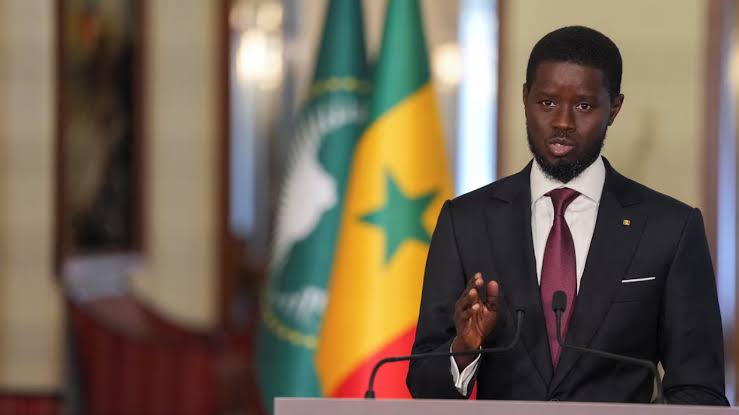

Presidential decree intensifies confrontation with Ousmane Sonko as mounting debt and fiscal pressures threaten west African economy’s financial stability.
DAKAR — Senegal’s President Bassirou Diomaye Faye has enacted a revised budget by decree, escalating a confrontation with his former political ally Ousmane Sonko that threatens to derail a $2.2bn IMF rescue package and complicate the country’s sovereign debt restructuring.
The decision, announced on Thursday, November 19, came after lawmakers rejected the supplementary 2026 budget on November 3 and voted against key provisions of the 2027 spending bill on Wednesday.
Sonko, dismissed as prime minister in May and now president of the National Assembly, controls a parliamentary majority through Pastef, which holds 130 of the legislature’s 165 seats.
The confrontation marks a dramatic reversal for two politicians whose alliance brought them to power in 2024 on promises of economic sovereignty, institutional reform and greater fiscal transparency.
Senegal’s revised budget raises the projected deficit from 5.4 per cent to 7.6 per cent of gross domestic product, while the government has slashed its 2026 growth forecast from 5 per cent to 2.7 per cent.
Public and semi-public debt reached 132 per cent of GDP at the end of 2024, following revelations of extensive undisclosed borrowing under the previous administration, estimated by analysts at $13bn.
Finance minister Cheikh Diba warned parliament on Wednesday that the country was “teetering on the brink of disaster”.
The presidency has defended the decree on constitutional grounds. However, Pastef lawmakers dispute whether executive powers extend to budget legislation explicitly rejected by parliament.
The IMF’s proposed three-year lending programme, agreed at staff level in September, remains subject to executive board approval. Dakar is also pursuing debt restructuring under the G20 Common Framework, an approach criticised by Sonko.
Although Senegal’s international bonds remained broadly unchanged following the announcement, prolonged institutional paralysis could increase sovereign borrowing costs, constrain public investment and transmit financial pressures across the West African regional capital market.
For international creditors, the central question is no longer simply whether Senegal can restore fiscal discipline, but whether its competing centres of political power can sustain the reforms necessary to regain financial credibility.