Majority of Nigerian two-wheelers could be electric by 2040
- Business and NetworkingNigeriaWest Africa
- September 25, 2024
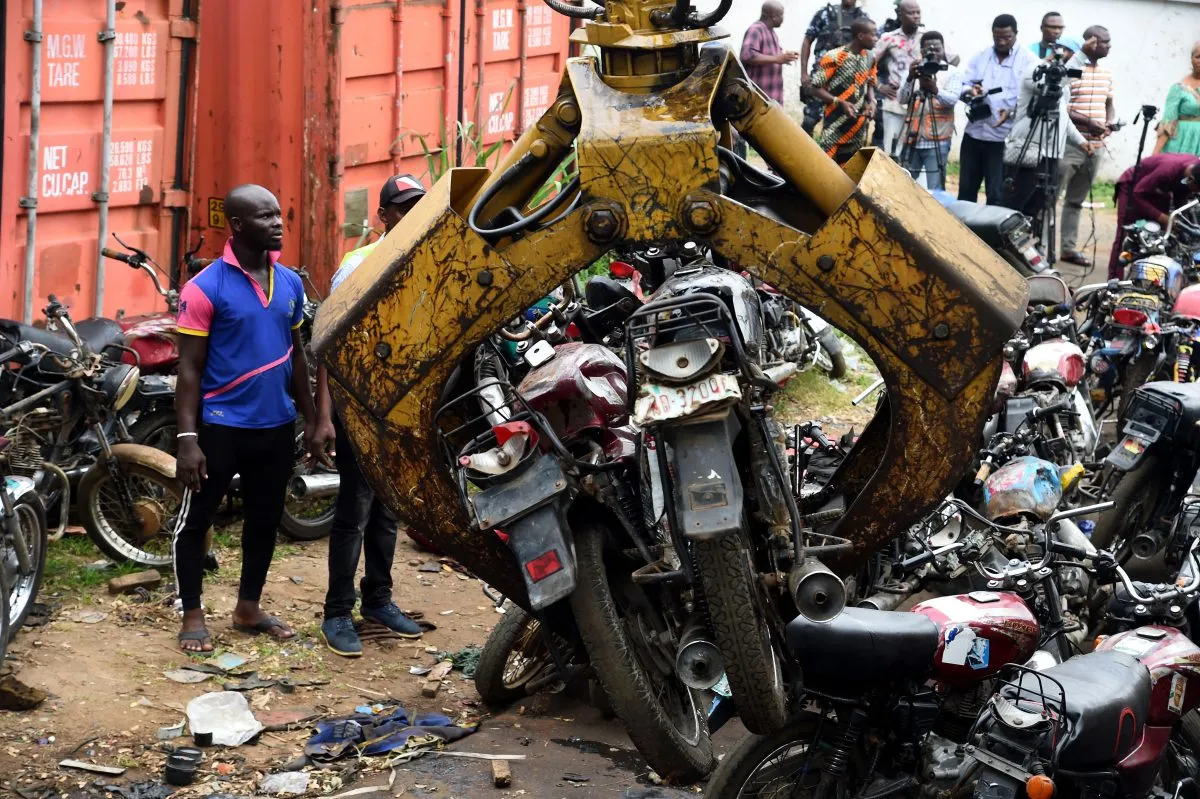

More than 60% of two-wheeler vehicles sold in Nigeria could be electric by 2040, according to a report published last week by the country’s Energy Transition Office in partnership with the non-profit RMI. This scenario would avoid up to two megatons of CO2 emissions, and contribute to the growth of local manufacturing industries, according to the report.
The finding that the electric vehicle market could develop so quickly might seem surprising to Nigerians, given that petrol and diesel vehicles remain dominant on the country’s roads today. The number of EVs in the country is negligible.
Kelly Carlin, a manager in RMI’s carbon-free transportation programme, acknowledges that achieving a 60% rate of adoption for electric two-wheelers in 16 years’ time is “ambitious”. He points out, however, that electric motorcycles are rapidly gaining traction in other emerging market countries. Nairobi and Kigali are leading examples within Africa of cities where electric two-wheelers are already becoming widespread among commercial users.
Carlin warns, however, that an EV boom in Nigeria is “not going to happen unless the right policies are in place, and unless EV financing is de-risked”.
The report calls for the Nigerian government to implement fiscal incentives, including tax exemptions and vehicle purchase subsidies, as well as taking steps to reward EV users through measures such as making EVs exempt from parking restrictions.
Ensuring access to EV charging will also be vital, the report adds. While the lack of reliable grid electricity is “an additional challenge” at present in Nigeria, Carlin says that other countries have shown that off-grid solar energy can be a viable alternative to charging with electricity from the grid.
Cost advantages
The logic of switching to EVs has become clearer since President Bola Tinubu began removing fuel subsidies when he took office last year. With another price hike announced this week, the cost of petrol and diesel has increased by around 400% since May 2023.
As a major oil and gas producer, however, switching away from internal combustion vehicles is not necessarily an obvious step for Nigeria to take. Rather than pushing EVs, the government has taken several measures to position compressed natural gas (CNG) as an alternative to petrol or diesel.
Carlin warns, however, that relying on CNG could “isolate” Nigeria in a world where other countries rely on EVs by 2050. And while CNG can offer cost savings over petrol and diesel, he notes that electric two-wheelers are already cheaper on a per-kilometre basis than CNG or internal-combustion engine vehicles.
As in countries such as Kenya, Carlin expects that commercial fleets – including taxi or delivery companies – to lead the way with EV adoption. Owners of commercial vehicles that are in constant use have a greater incentive to reduce their running costs, he says. They also benefit from greater access to finance to help fund a switch to EVs.
Carlin adds that four-wheeler EVs will take somewhat longer to become cost-competitive with petrol and diesel vehicles in Nigeria, but estimates that the widespread adoption of electric four-wheelers could follow within 5-10 years of electric two-wheelers taking-off.