OPINION | Africa’s biggest economic crisis is education
- Opinions
- June 24, 2026

Why the world’s youngest continent is still wasting its greatest asset
LAGOS – By 2050, one in every four people on Earth will be African. No other region will have a younger or larger workforce with greater potential to shape the global economy. Yet Africa faces a striking paradox: it may soon have the world’s largest labor force, but it is still far from having one of its most skilled.
This is not merely an education crisis, it is Africa’s biggest economic crisis.
For decades, African governments have built their development strategies around natural resources, infrastructure projects and attracting foreign investment. Those are legitimate priorities. But too often they have overlooked the one asset capable of turning those investments into lasting prosperity: human capital.
No country industrializes on oil alone, no economy becomes globally competitive simply because it has copper, diamonds, natural gas or critical minerals. In the 21st-century economy, wealth is created through innovation, technology, knowledge and productivity. And all of those begin with education, this is where many African governments have fallen short.
Political speeches frequently describe young people as the continent’s greatest resource. National budgets tell a different story. Across much of Africa, education remains underfunded while governments continue to prioritize short-term political spending, expanding bureaucracies and recurring expenditures over long-term investment in people.
The result is an education system that is increasingly disconnected from the demands of a rapidly changing global economy.
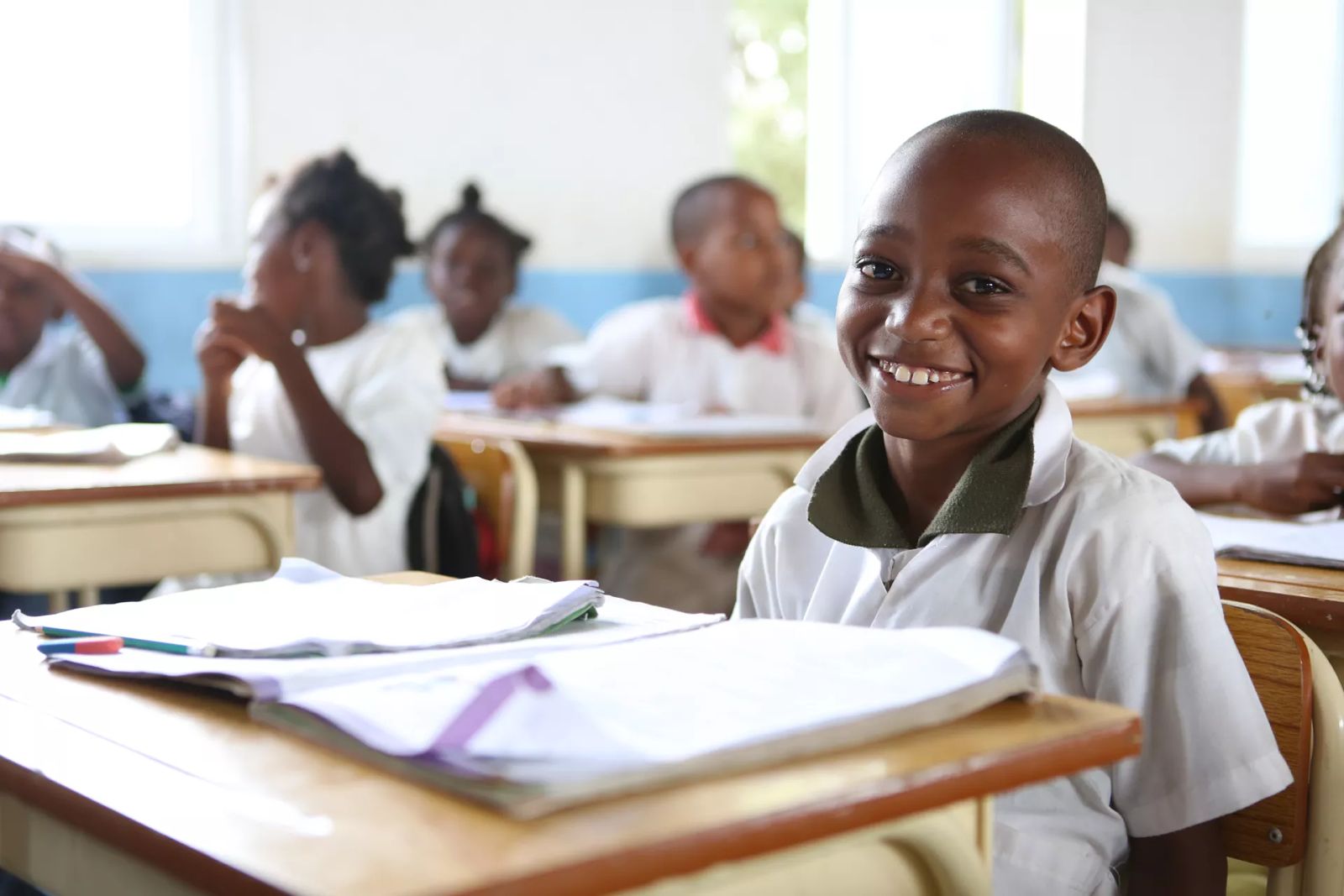
The challenge is no longer simply getting children into classrooms. It is ensuring they leave school equipped to compete in a labor market being reshaped by artificial intelligence, automation, robotics and the green transition.
Millions of African students complete primary and secondary school without mastering basic literacy, mathematics or digital skills. Many who reach university encounter outdated curricula, limited research funding, inadequate laboratories and institutions that remain largely disconnected from industry, the consequences are becoming increasingly visible.
Africa is home to the world’s youngest population, yet youth unemployment remains among the highest globally. At the same time, employers across technology, manufacturing, agriculture, healthcare and energy report growing shortages of qualified workers.
In many countries, education systems are still preparing students for jobs of the past while businesses are searching for skills needed in the future, meanwhile, the rest of the world is moving at a different pace.
South Korea, once poorer than several African economies in the 1960s, transformed itself into a global technology powerhouse by investing relentlessly in education, science and innovation. Singapore, a resource-poor island nation, built one of the world’s most competitive economies by placing human capital at the center of national policy. Vietnam has emerged as a major manufacturing hub through decades of investment in workforce development and technical education.
None of these countries became wealthy before investing in education, they invested in education first, and prosperity followed, too many African nations continue to pursue the opposite path.
Heavy dependence on commodity exports remains one of the continent’s structural weaknesses. Oil, minerals and agricultural commodities continue to dominate many economies, while investment in research, innovation and advanced skills lags far behind.
In an era defined by artificial intelligence and digital transformation, relying on education systems built around memorization rather than problem-solving represents a growing economic liability.
Every young person who leaves school without marketable skills represents lower productivity, weaker tax revenues, slower economic growth and higher social costs. Poor education is no longer simply a social issue; it is a macroeconomic constraint, the consequences extend beyond national borders.
Africa continues to lose thousands of doctors, engineers, scientists, researchers and software developers every year to wealthier economies offering better salaries, stronger research ecosystems and greater professional opportunities. The continent invests in educating talent, only to see much of the economic return captured elsewhere, yet the solution is not simply spending more money.
Africa needs structural reform, education systems must replace outdated curricula with programs centered on science, technology, engineering, mathematics, artificial intelligence, coding, entrepreneurship and digital literacy. Teachers need continuous professional development. Universities must become engines of research, innovation and commercial partnerships. Schools and businesses should work together to reduce the widening gap between education and labor market demand, this is not merely education policy, it is economic policy.
African governments should launch what amounts to a Marshall Plan for Education—one that expands digital infrastructure in schools, modernizes technical and vocational education, increases research funding, strengthens universities and integrates digital skills throughout the education system, the objective should not simply be producing more graduates.
It should be producing more innovators, engineers, entrepreneurs, scientists and globally competitive professionals.
History offers a clear lesson, no country has achieved sustained prosperity without investing heavily in education. Japan, Finland, Ireland, Singapore and South Korea all treated education as the foundation of economic transformation rather than as a social expenditure, Africa possesses no shortage of talent, its shortage is political prioritization.
The next global economic race will not be won by the countries with the largest reserves of oil, gold or lithium.
It will be won by those that educate the greatest number of skilled people capable of creating technology, building companies and driving innovation, Africa remains one of the richest continents in natural resources, its greatest wealth, however, has never been beneath the ground.
It has always been inside its classrooms, until governments begin treating education not as a budgetary cost but as the continent’s most valuable long-term investment, Africa will remain rich in resources but poor in productivity, innovation and sustainable prosperity.
Africa’s education system does not simply need to leave the intensive care unit, it must become the centerpiece of the continent’s economic strategy.
Because in the 21st century, the world’s wealthiest nations will not be those that extract the most resources—but those that develop the most human potential.