Niger: Economy surges amid growth and ongoing challenges
- EconomicNiger
- November 17, 2024
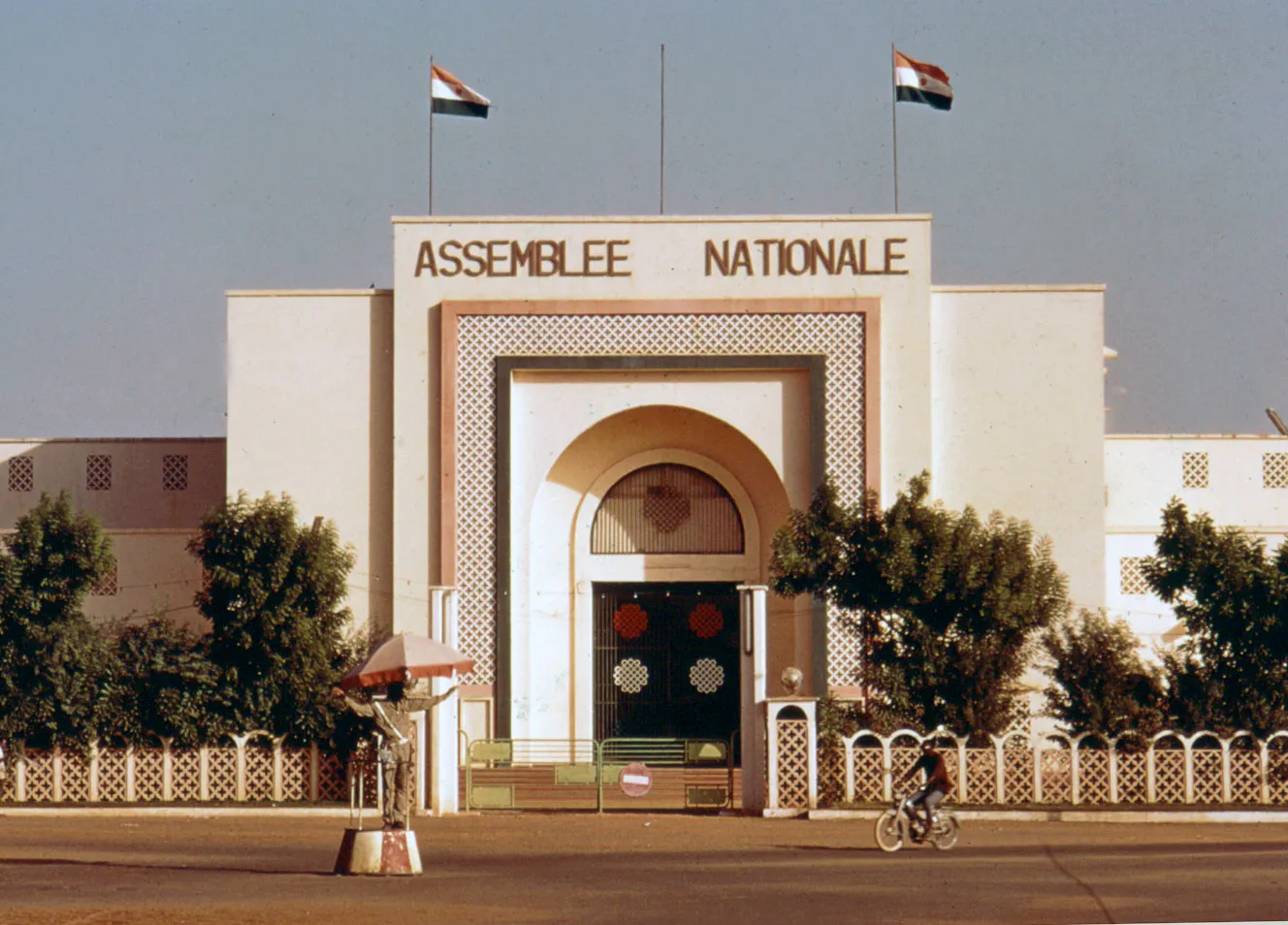

Niamey, November 17, 2024 – Niger’s economy is undergoing a significant transformation, driven by impressive growth in the oil sector and continued support from international partners, despite ongoing political and social challenges.
In 2022, Niger’s GDP grew by an impressive 11.5%, one of the highest rates in Africa, fueled by robust investments and private consumption. This accelerated growth has gained further momentum in 2024, with projections indicating a 10.4% GDP increase, according to the African Development Bank (AfDB). The main driver of this economic surge is a dramatic rise in oil production, which soared from 20,000 barrels per day in 2022 to over 100,000 barrels daily in 2024, positioning Niger as a key player among Africa’s emerging economies.
Despite its remarkable performance, Niger still faces challenges in keeping pace with more stable regional economies like Senegal, which boasts similar growth rates with less political volatility. Compared to Chad, another oil-dependent country, Niger has stood out for implementing fiscal reforms that attract investors.
Political instability, exacerbated by the 2023 coup, has led to economic sanctions by ECOWAS and WAEMU, disrupting external funding flows and negatively affecting critical sectors like mining. French nuclear firm Orano recently announced financial difficulties at its Somair uranium plant, forcing the temporary suspension of some activities.
In June 2024, the International Monetary Fund (IMF) approved a $70 million disbursement to support social programs and stabilize Niger’s economy. The Nigerien government has committed to streamlining its tax system and improving oil revenue management, key measures to strengthen economic resilience.
Approximately 4.5 million Nigeriens—17% of the population—currently require humanitarian assistance, underscoring the urgent need to channel economic growth into poverty reduction and improved food security.
Experts emphasize that consolidating economic progress will require Niger to prioritize economic diversification, with investments in agriculture and infrastructure, while addressing internal political issues that continue to undermine investor confidence.
With its growing oil potential and international backing, Niger stands at a crossroads, offering the promise of transforming its economy and improving living conditions for its people. However, political stability will be the decisive factor in sustaining long-term growth.
To fully capitalize on its economic momentum, Niger must prioritize fostering an inclusive growth strategy that directly benefits its citizens. This includes enhancing access to education, healthcare, and infrastructure, which remain critical in addressing the nation’s humanitarian challenges. By linking oil revenue management to targeted social investments, the government can lay the foundation for a more equitable and sustainable future.
Moreover, regional cooperation could play a pivotal role in Niger’s trajectory. Strengthening trade ties with neighboring countries, leveraging its position in ECOWAS, and addressing cross-border security concerns could enhance economic integration and resilience. In this critical phase, Niger has the opportunity to redefine its role in the region and emerge as a model for balancing resource wealth with social and economic progress.